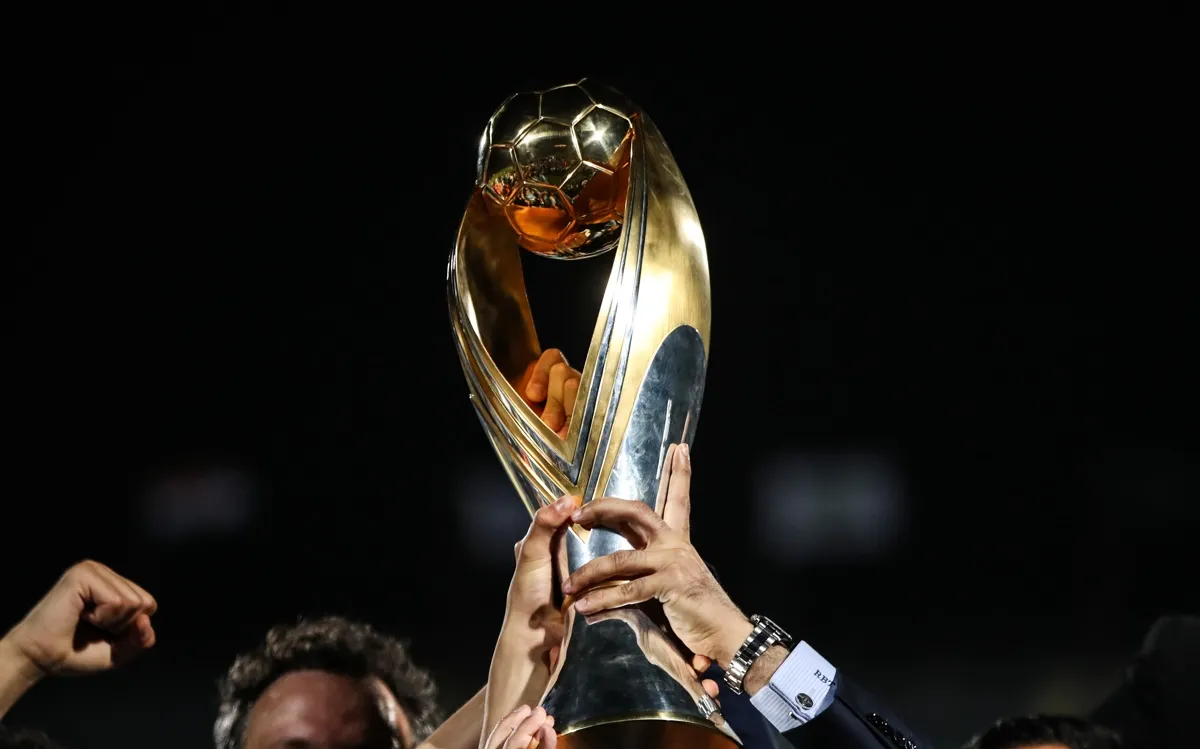
The aftermath of the Africa Cup of Nations final, which took place nearly three months ago, has plunged the African football community into a state of turmoil, highlighting a historic crisis that threatens the very foundation of the Confederation of African Football (CAF). What was meant to be a celebratory culmination of African football has instead spiraled into an open legal dispute between Senegal and Morocco, casting a shadow over the credibility and integrity of the governing body. The final, held at the Moulay Abdellah Stadium in Rabat, did not conclude with the referee's final whistle but rather marked the beginning of an extended conflict.
Senegal asserts that they emerged victorious on the field, whereas Morocco contends that the title should be rightfully awarded to them due to Senegal's alleged withdrawal. This disagreement has led to a unique and unprecedented stalemate in African football history. According to reports from the Spanish newspaper *AS*, the roots of this crisis can be traced back to the days leading up to the final when Senegal began to sense that the odds were being stacked against them from their arrival in Morocco.
Initially, the Senegalese delegation was relocated from a luxury hotel in Tangier to the Al-Rihab complex, which was not on CAF's approved list of accommodations. Following an official protest, they were transferred to the Amfitrit Hotel on the outskirts of Rabat, yet this compromise failed to alleviate the concerns of the Senegalese side. Tensions escalated further when Senegal was allocated the Mohammed VI Sports Complex for their training sessions, a facility already in use by the Moroccan national team. This arrangement raised alarms among Senegal’s players, who feared potential breaches of competitive equity, such as their tactical plans being monitored or leaked.
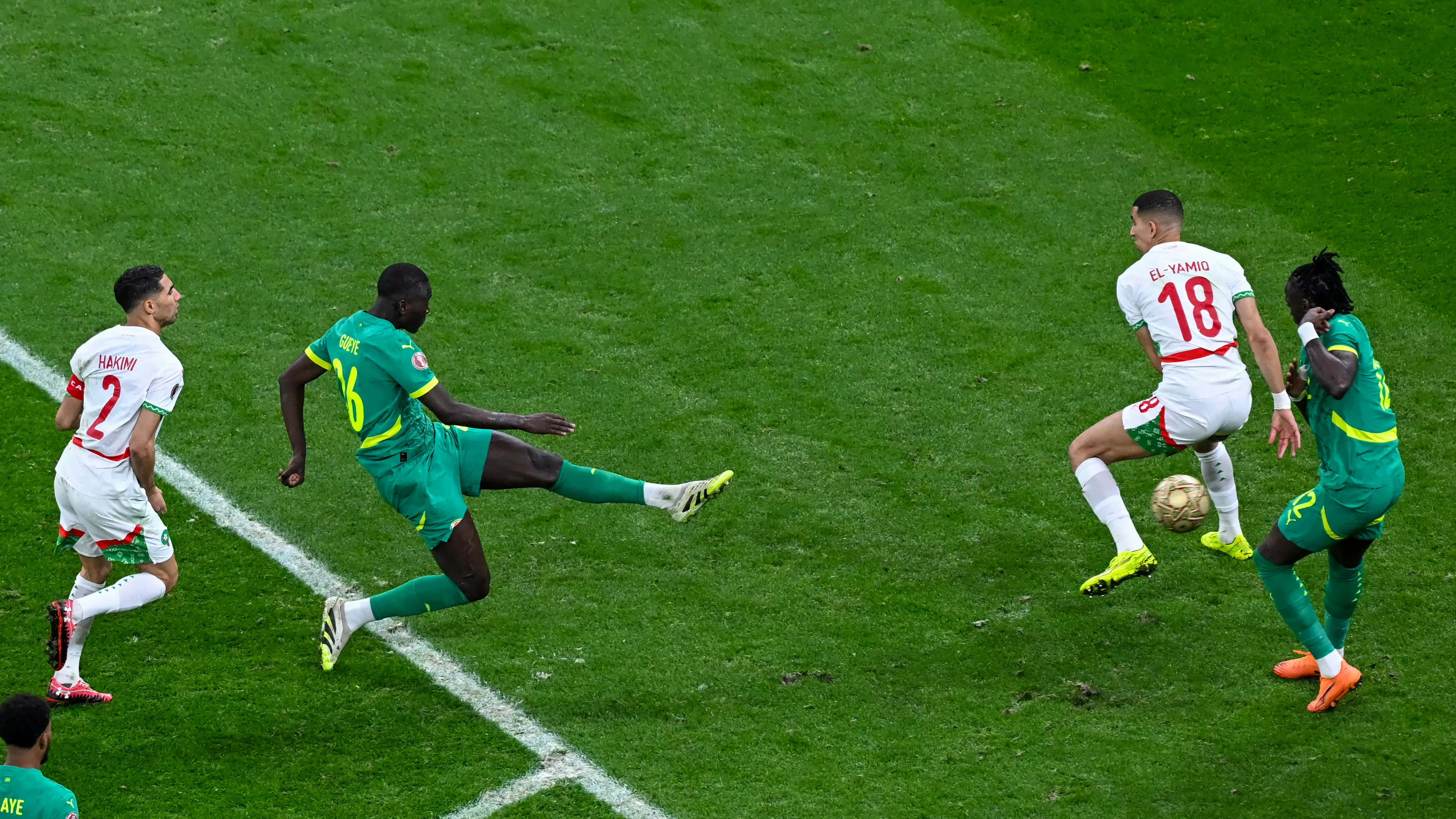
The chaos only intensified upon Senegal's arrival in Rabat, where they encountered a significant security and ticketing crisis. Complaints about poor organization and an “unfair distribution” of match tickets emerged, leading Senegal to issue public warnings about “irregularities” just hours before the final match. On the night of the final, the atmosphere at the Moulay Abdallah Stadium turned chaotic; a controversial goal for Senegal was disallowed, and Morocco was awarded a penalty that sparked vehement protests from the Senegalese side. The situation escalated to the point where the Senegalese team walked off the pitch in protest, citing “blatant refereeing injustice.” After returning, a missed penalty by Ibrahim Diaz followed, yet Senegal eventually secured a victory in extra time.
Morocco interpreted the walkout as an official withdrawal, warranting a 3-0 defeat for Senegal, a perspective initially endorsed by CAF before being overturned by the Court of Arbitration for Sport (CAS) following an appeal from the Senegalese Football Federation. Recent revelations from the CAF Executive Committee meeting held in Dar es Salaam on February 13 have further deepened the controversy. Reports indicate that the head of the Referees' Committee, Olivier Safary, admitted that the referee had received “institutional instructions” not to dismiss Senegalese players during the match suspension to ensure the game continued, igniting allegations of interference in refereeing decisions.
At a subsequent press conference in Paris, Senegalese lawyers characterized the appeal hearing before CAS as “disastrous,” claiming that the judge seemed predisposed towards a particular outcome. The Senegalese federation also raised concerns over a potential conflict of interest within the Appeals Committee, particularly regarding lawyer Moez Nasri, who also serves as president of the Tunisian Football Federation. Senegal labeled this situation a “clear conflict between his role as a judge and that of a party to the competition,” a sentiment echoed by CAF President Patrice Motsepe’s expressed surprise at Nasri’s committee involvement.
As of now, 77 days after the final whistle, the African continent remains without a declared champion. Senegal insists it won on the field, while Morocco argues that the legal stipulations award them the title, leaving CAF in a precarious position, facing accusations of “mismanagement” and “lack of transparency” from both sides. The situation remains unresolved, casting a long shadow over the future of African football.
As reported by goal.com.