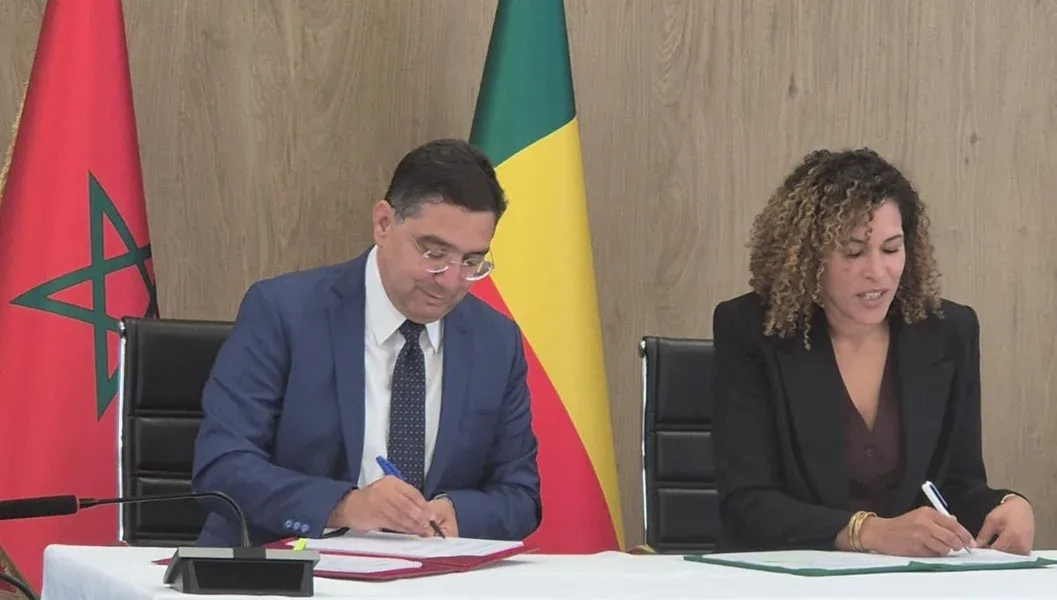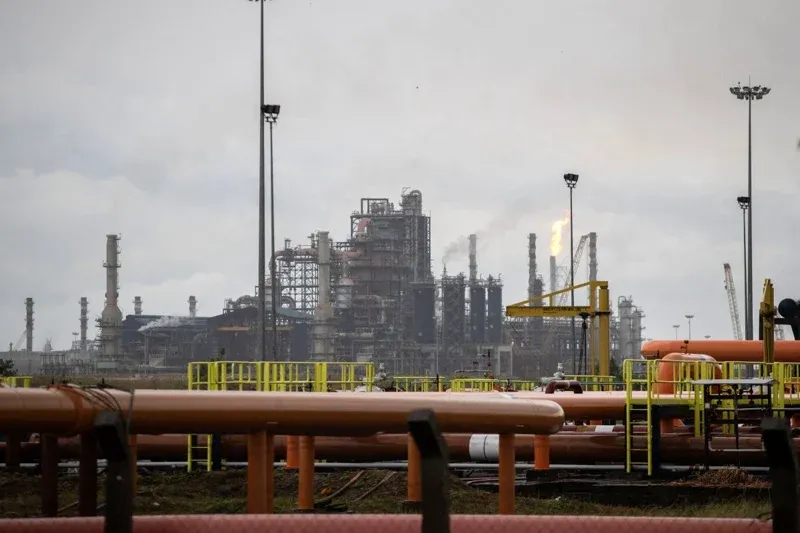
The Moroccan-Nigerian gas pipeline is making significant strides towards its realization, following the endorsement from member states of the Economic Community of West African States (ECOWAS) to participate in this ambitious project. This pipeline aims to transport natural gas from Abuja, Nigeria, to Rabat, Morocco, with the ultimate goal of exporting it to the European market. During the recent ECOWAS summit held in Freetown, leaders from the member states signed a crucial agreement to establish this gas pipeline, heralding a new chapter in energy collaboration across the region.
Julius Maada Bio, the current Chair of ECOWAS and President of Sierra Leone, announced the signing, emphasizing the significance of the agreement by stating, “We have signed the agreement related to the West Africa-Morocco gas pipeline, so don’t be surprised when gas reaches your homes.” This collective commitment underscores a unified vision among West African nations to enhance energy distribution and market integration.
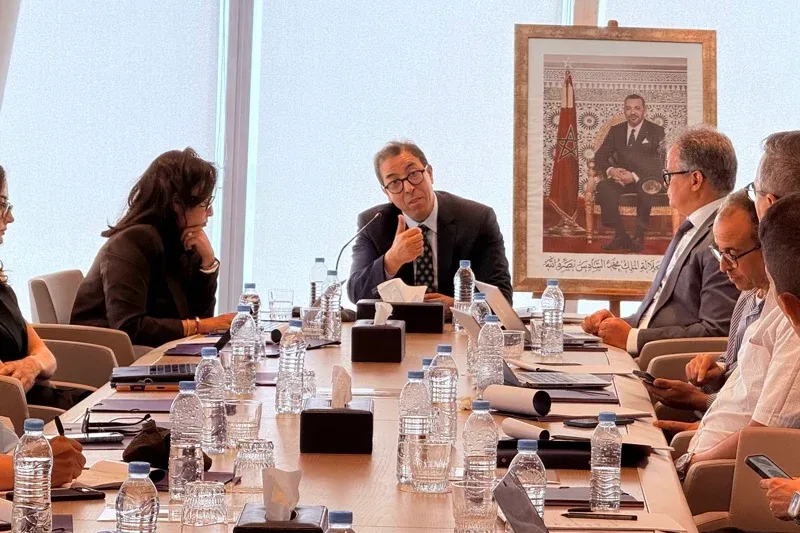
A joint statement from Morocco's National Office of Hydrocarbons and Mines (ONHYM) and the Nigerian National Petroleum Corporation (NNPC) clarified that the gas pipeline's purpose is to connect the gas resources of West Africa with major regional consumption centers. This initiative is poised to strengthen the integration of African energy markets and create a new development corridor linking West Africa, the Sahel countries, Morocco, and Europe.
The statement further highlighted that the recent progress made in Freetown paves the way for subsequent phases, which will include the establishment of a project company based in Casablanca and the formation of a Pipeline Higher Authority anticipated to be located in Abuja. These steps are crucial for mobilizing investors and preparing the final investment decision. According to sources cited by Agence France-Presse, construction work is expected to commence in 2027, with the initial gas supplies projected to begin in 2031.
Enhancing Energy Security and Economic Integration
Energy expert Abdel-Samad Malawi articulated the project's significance, noting its extensive land and maritime routes and an estimated investment cost of between $25 billion and $27 billion. This collaborative endeavor, involving ECOWAS, Mauritania, and Morocco, is set to benefit over 400 million people. For Morocco, the project will bolster national energy security and reinforce the strategic vision it has adopted over the years, allowing for a future supply of natural gas at reduced costs for electricity generation and supporting economic growth. Moreover, it accelerates the energy transition by replacing more polluting fuels with cleaner natural gas, thereby solidifying Morocco's status as a regional energy hub and a vital link between Africa and Europe.
Malawi further emphasized that this agreement signifies a substantial strategic, developmental, legal, and economic milestone, representing a shift from bilateral discussions to a regional framework that has brought together the involved countries since the concept's inception in 2016. The project establishes a unified institutional step that delineates rights and obligations regarding transit, taxation, investment protection, and dispute resolution, providing the necessary enforceability and creating a secure environment that mitigates risks associated with shifts in national policies within the region.
A Continental Initiative with Broader Implications
Fouad Kohen, President of the Moroccan Renewable Energies Association (AMISOLE) and Vice President of the National Federation of Electricity, Electronics, and Renewable Energies (FENELEC), remarked on the geopolitical significance of ECOWAS's involvement in the Nigeria-Morocco gas pipeline project. His insights highlight that this initiative has evolved into a regional venture rather than a mere bilateral agreement, thanks to the support from various countries in the region. Kohen pointed out that the project is crucial for enhancing African economic integration by connecting the economies of West Africa, rather than simply serving as a transport line between producers and consumers.
Furthermore, the agreement aims to strengthen energy security in West Africa, allowing the pipeline to deliver Nigerian gas to countries facing energy supply shortages, potentially aiding in the development of electricity networks that are severely lacking in some areas. Kohen noted that the inclusion of ECOWAS seeks to transform gas into a driver of development, as countries along the pipeline's route stand to benefit from improved infrastructure, investments, and job creation, in addition to developing industrial sectors reliant on gas.
The project also opens a new avenue for Nigerian gas to reach Europe, providing Nigeria with an additional export route while establishing a bridge for Morocco to the European gas market through interconnected networks. This initiative will help reduce dependence on external energy sources, thereby enabling Morocco and other regional countries to diversify their energy portfolios and enhance supply stability. As ECOWAS's participation shifts the Nigeria-Morocco gas pipeline from a bilateral to a continental project, it stands to serve the energy market of West Africa and connect it to Europe, albeit while navigating the challenges of financing, implementation, and security.
As reported by hespress.com.