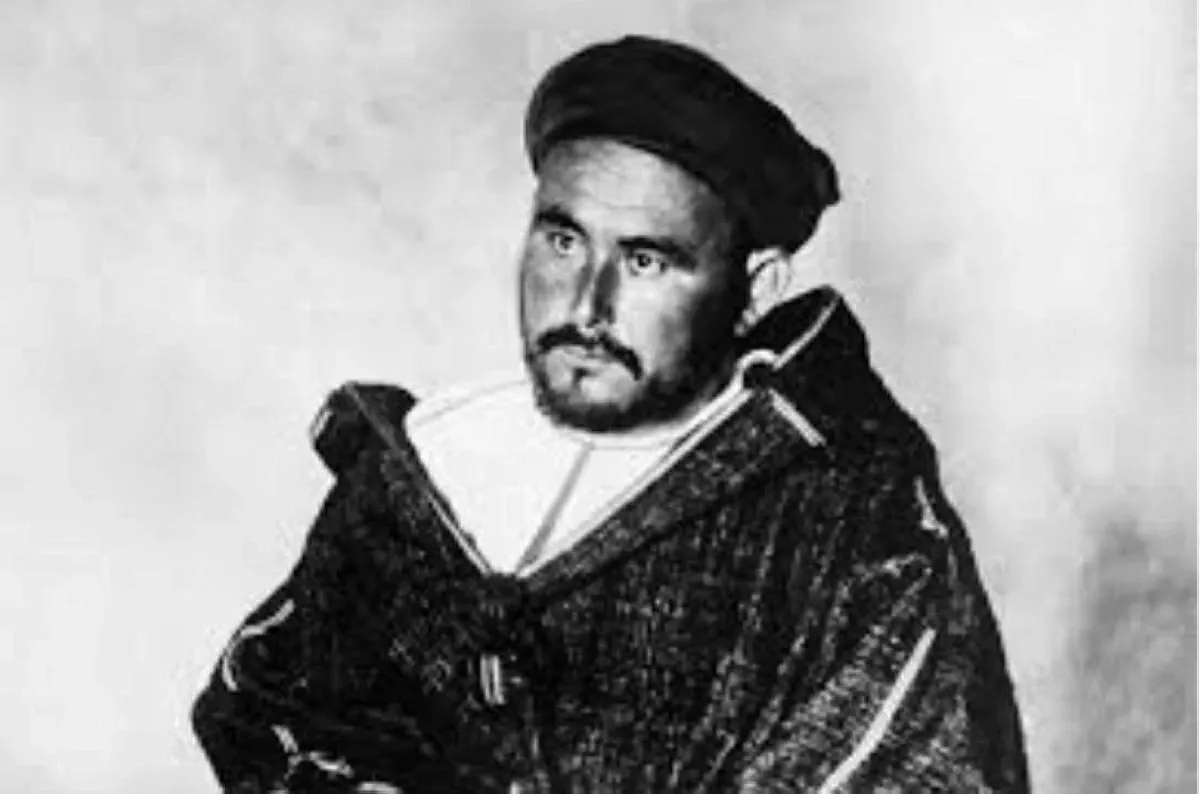
The Rise of Abd El-Krim Al-Khattabi and the Rif Rebellion
On July 12, 1921, a significant event unfolded in Moroccan history—the outbreak of the Rif Rebellion, spearheaded by the notable figure Abd El-Krim Al-Khattabi. This rebellion was not merely a local insurrection but a pivotal moment that challenged colonial dominance and showcased the resilience of the Moroccan people. The context of this uprising traces back to the establishment of French protection over Morocco on March 30, 1912. In the wake of this foreign imposition, the Moroccan populace, led by Ahmed Hiba Allah, mounted a fierce revolt in Fez, marking the beginning of a tumultuous struggle against colonial rule. Despite initial victories, the turmoil ultimately resulted in the death of Hiba Allah, enabling the French to consolidate their control over the nation.
The Spanish colonial influence, particularly in the northern regions of Morocco, was established through agreements made earlier with the French. These regions included the Rif and the surrounding mountainous areas, inhabited predominantly by Berber tribes. This demographic backdrop set the stage for the emergence of Abd El-Krim Al-Khattabi, born in 1881 in Agadir. He initially received a religious education, memorizing the Quran, before pursuing higher studies at the prestigious Al-Qarawiyyin University and later at the University of Salamanca in Spain, where he earned a doctorate in law. His legal expertise led to his appointment as a judge in Melilla. However, the situation escalated in 1920 when his father passed away, bequeathing the mantle of leadership to Abd El-Krim.
The Outbreak of the Rif Rebellion
The Rif Rebellion commenced when Spanish forces, led by General Silvestre, attempted to invade the territory on July 12, 1921. Abd El-Krim, anticipating this move, strategically lured the Spanish troops into the rugged mountains of the Rif. As the Spanish army advanced towards Mount Ouran near Agadir, Abd El-Krim orchestrated a counterattack that not only expelled the Spanish from the town of Anoual but also pursued them relentlessly, ultimately cornering them in Melilla. This decisive victory was a critical moment in the rebellion, as it demoralized the Spanish forces and instilled a sense of hope and unity among the Moroccan tribes.
Abd El-Krim's leadership during the Rif Rebellion is a testament to the strength and determination of the Moroccan spirit in the face of colonial oppression. His tactical prowess and ability to galvanize the diverse tribes of the Rif into a cohesive resistance force remain a significant chapter in Morocco's struggle for independence. The repercussions of the Rif Rebellion resonate throughout Moroccan history, symbolizing a relentless fight against colonialism and the quest for national sovereignty.
As reported by almasryalyoum.com.