Just two weeks before the death of dictator Francisco Franco, King Hassan II of Morocco chose to invade Western Sahara, a Spanish province, by orchestrating the entry of over 350,000 individuals in what was described as a peaceful march. This event, known as the Green March, was characterized by its peaceful intent; however, it included military units and culminated in a full-fledged armed occupation. The timing of Hassan's decision was impeccable, as the Francoist regime was weakened and focused on prolonging the dictator’s agony, with Prince Juan Carlos already designated as his successor. Ultimately, Spain's support for the Sahrawis, who identified as Spanish, dwindled, leading to the Tripartite Agreements of Madrid, where Spain ceded control of the Sahara to Morocco and Mauritania. Although Mauritania later withdrew, Morocco remained as the primary administrator and perpetual blackmailer.
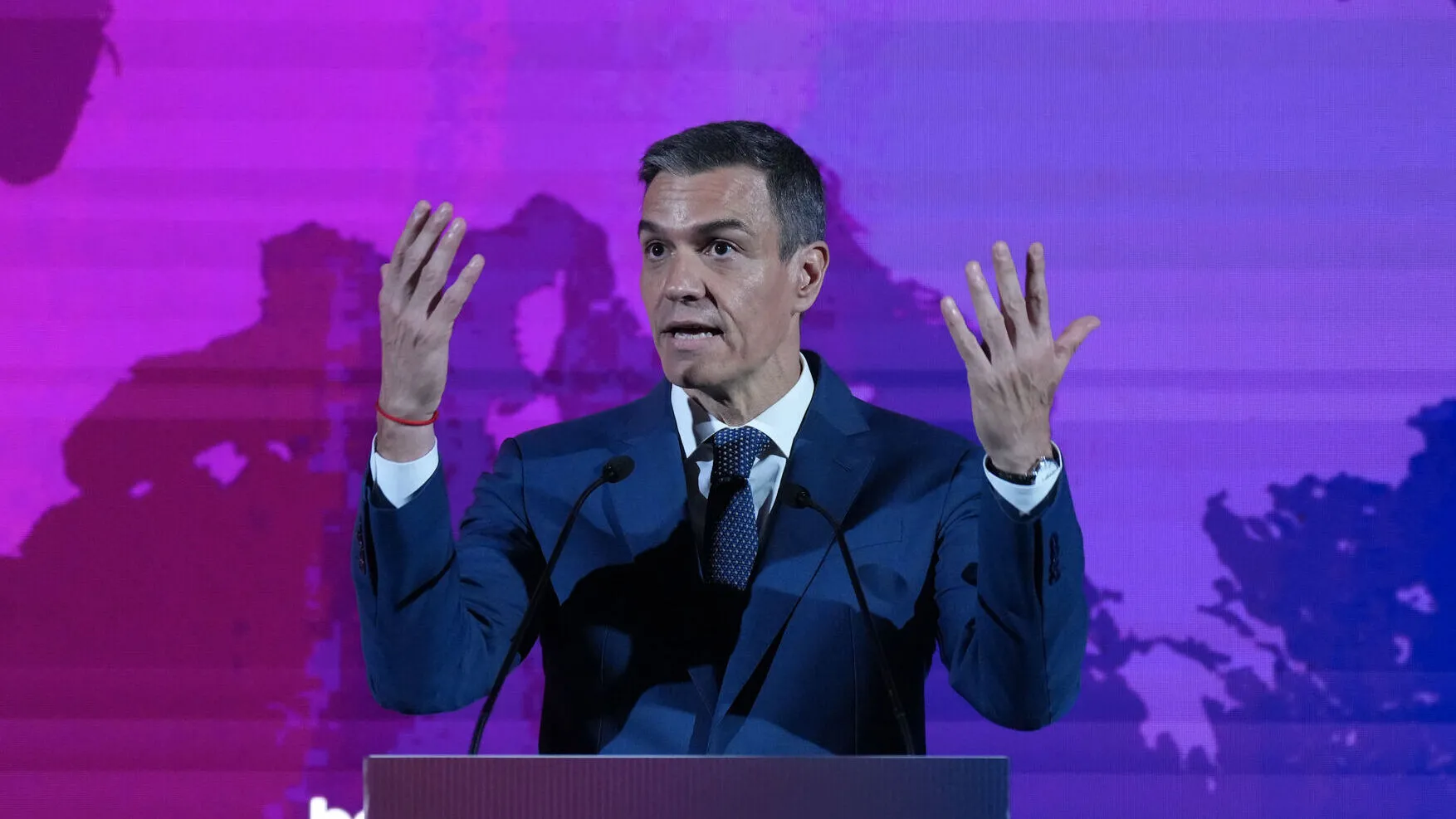
The decolonization process in Western Sahara, which remains unique and unresolved, was unlawfully concluded by Pedro Sánchez, who unilaterally decided to hand over the region without parliamentary approval. This act is suspected to be a quid pro quo for undisclosed matters, possibly linked to the hacking of his mobile phone or his clandestine vacations spent in the neighboring country. As is often the case, Sánchez's dealings have a sordid aura that further tarnishes Spain's already poor international reputation.
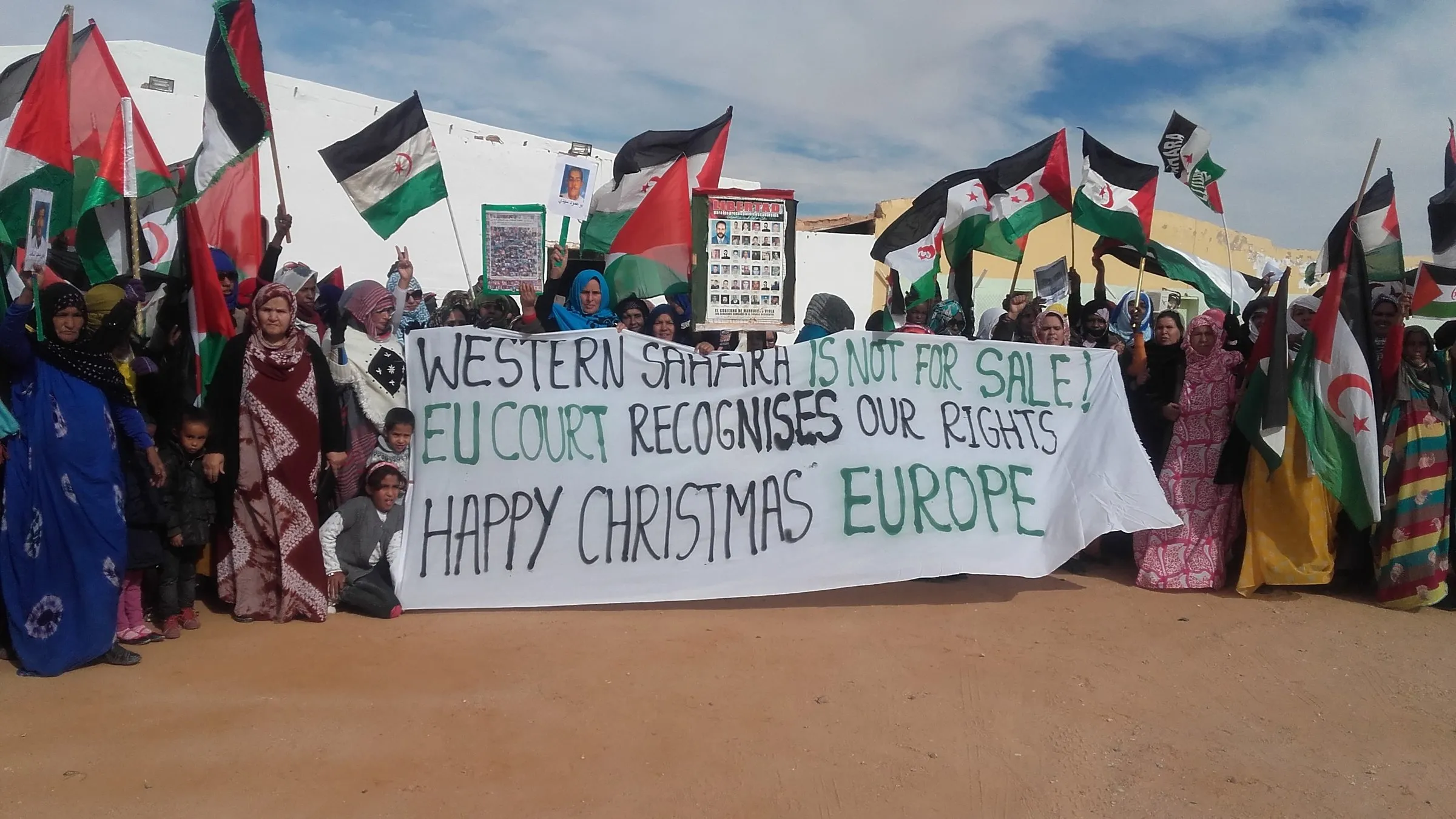
The Sahrawis, whether displaced in Algeria or residing in the territories occupied by Morocco, have consistently demanded a referendum on self-determination, a request that holds validity in the context of decolonization—a notion often disregarded by the Spanish independentists who support the government while teetering on the brink of disaster. However, a critical question looms: on what electoral roll would such a referendum be based? Would it be the Moroccan roll that has been inflated weekly since the Green March?
This particular question has been pivotal in every negotiation attempt and highlights the chronic ineffectiveness of the United Nations. The Moroccan invasion was also an electoral strategy, a deft maneuver against a distracted Spain that hesitated to take action, understanding it was attempting to build a democracy following forty years of dictatorship while also trying to avoid the potential outbreak of another civil war.
Morocco is well aware of Spain’s vulnerabilities. This knowledge prompts Morocco to periodically pressure Spain regarding the “return” of Ceuta and Melilla, territories that were under Spanish control long before the establishment of the Moroccan Kingdom, to which nothing should be returned. There are also occasional assertions regarding the Canary Islands, which, along with the autonomous cities of Ceuta and Melilla, form part of what Morocco refers to as the “Greater Maghreb”—a concept reminiscent of the Basque Country's aspirations among separatists or Hitler's vision of a Greater Germany. In the interim, depending on the state of neighborly relations, there exists the possibility of mass boat landings, assaults on the fences of Ceuta and Melilla, and increased drug trafficking.
What is crucial now is that Pedro Sánchez has grasped a vital lesson: the ballot boxes can be filled with votes from outside. His mass regularization of immigrants may lead to an electoral regularization similar to what Morocco achieved during the Sahara invasion, effectively creating a new electoral roll capable of legitimizing any demands via referendum.
In the strategy of this president, who is beleaguered by familial, governmental, and party corruption, damaging the Popular Party (PP), which governs nearly all autonomous communities, is paramount. The PP is tasked with managing the influx of unaccompanied minors—many of whom are not actually minors—without any funding mechanism or possible background checks. This situation ensures resource consumption, potential criminality, and political pressure, including threats of sanctions should they resist the process. There is no better way to erode the PP than the tactics employed by King Mohammed VI against Spain when it does not comply. Neither the Basque Country nor Catalonia will accept unaccompanied foreign minors; if it happens, it will be without hesitation.
Thus, Sánchez is clear in his approach: he intends to mobilize a Green March of voters while ensuring the PP bears the burden in their communities. The moment these voters become a nuisance to the PSOE or hesitate when confronted with a ballot, a campaign of deportations will be initiated, diminishing Vox to a more modest social democracy.
This is the only way for the heir of Sauna Adán, who has never won an election, to secure votes. Nothing is overlooked in this plan: Ukrainians are not included, as they understand the ramifications of communism. The Green March “is not intended for everyone,” admits Minister Elma Saiz.
Morocco, either independently or in partnership with the PSOE, is too closely linked to regime changes in Spain. With Sánchez currently in a vulnerable position, the threat increases at an exponential rate.
As reported by libertaddigital.com.