The Changing Demographics of World Cup Spectators
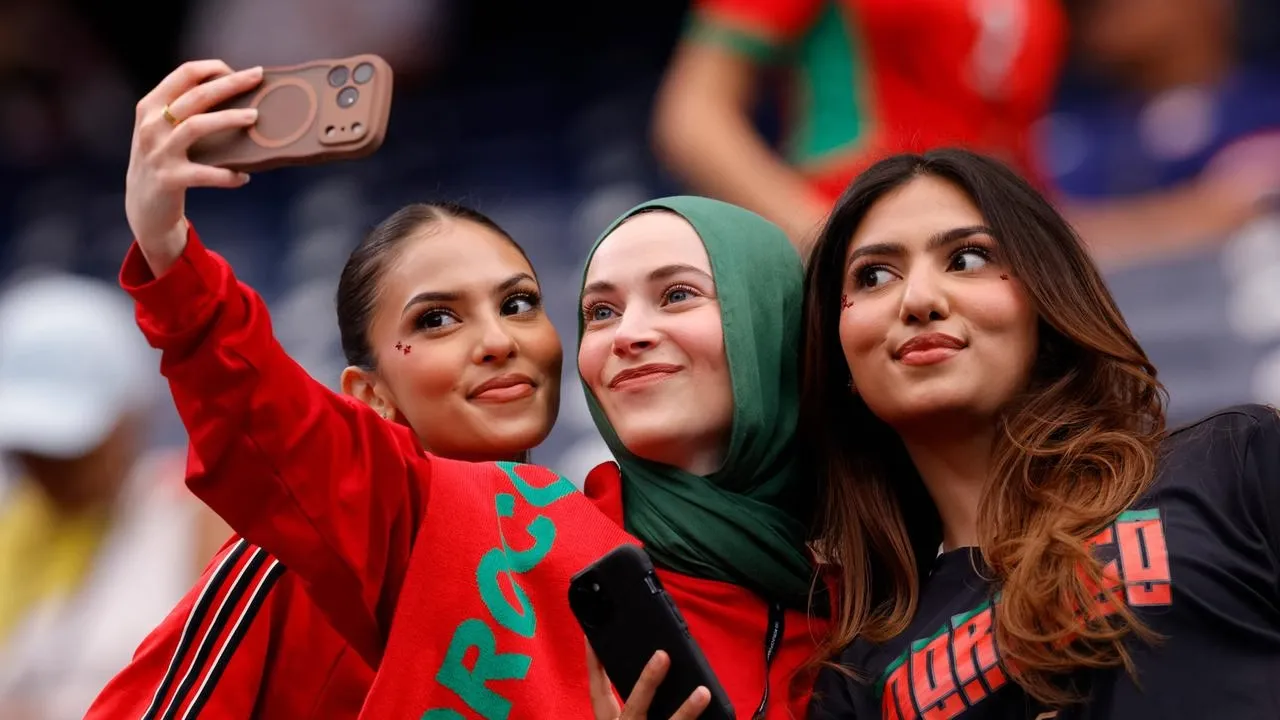
The audience at the World Cup has shown to be markedly younger, more vibrant, and inclusive of women compared to the traditional atmosphere of Bundesliga matches. Many attendees seem to prioritize their own social media engagement over the live sporting event itself, raising the question: Is this a trend that will take root in Germany as well? The advancements in technology have made it possible for fans to stay connected even in the most high-tech venues, yet during the semi-final match between England and Argentina in Atlanta, the internet struggled to keep up with the overwhelming number of mobile users present. At times, there was no network reception, underscoring a broader issue where more than half of the attendees found themselves engrossed in their screens rather than the game unfolding before them.
As the match escalated in tension and excitement, it became evident that many spectators were more concerned with capturing the moment for their social media followers than with the actual gameplay. Whether they were streaming the action live, chatting with friends, or sharing their experiences in real-time, a sense of restlessness permeated the crowd, often disconnected from the match's developments. This behavior is expected to escalate during the World Cup final between Spain and Argentina, where approximately 82,500 spectators will not only witness the game but also amplify the pre-show featuring Robbie Williams and the halftime performances by Justin Bieber and Madonna, creating a massive multiplier effect across social media platforms.
The Reality of Inclusion and Global Representation
While the atmosphere at the World Cup has been celebrated for its youthful and diverse demographic, FIFA's claims of hosting the 'most inclusive World Cup in history' have faced scrutiny. Ronan Evain from Football Supporters Europe criticized the event as one that favored a 'happy few', highlighting the disparity between those who could attend and the vast majority who were unable to secure visas. Many fans from countries such as Iraq, Jordan, Uzbekistan, and Morocco found themselves excluded from the tournament, with only those already residing in the U.S. gaining entry. Evain noted the significant presence of the American diaspora in the stands, which contributed to a distinctly American ambiance at the games.
The presence of superstar players like Messi and Mbappé has raised discussions about whether every team needs a marquee name to succeed on the world stage. This year’s World Cup has not only produced thrilling matches and unexpected outcomes but has also altered the way the audience interacts with and consumes football. Axel Hellmann, CEO of Eintracht Frankfurt, remarked on the necessity for stadium operators to reconsider their facilities in light of changing fan behavior. He expressed concerns about certain elements of the event, like the pre-match show and hydration breaks, feeling they do not align with traditional European football culture. The 2026 World Cup promises to be a tournament of records, with its unique blend of sporting surprises and evolving audience dynamics, challenging the norms of how football is experienced.
As reported by zdfheute.de.