Living in Switzerland as a Spanish national presents a myriad of economic benefits, primarily due to significantly higher salaries compared to those in Spain. However, the emotional toll of relocating to a foreign country cannot be understated. As articulated by Ismael, a healthcare professional residing in Switzerland, "It is never easy to live away from home; you feel an emptiness, as though you are leaving behind your family, your friends, and your life in pursuit of a better future. You feel selfish for abandoning so much." This poignant reflection was shared during an interview with LA RAZÓN, highlighting the complex emotional landscape faced by expatriates.
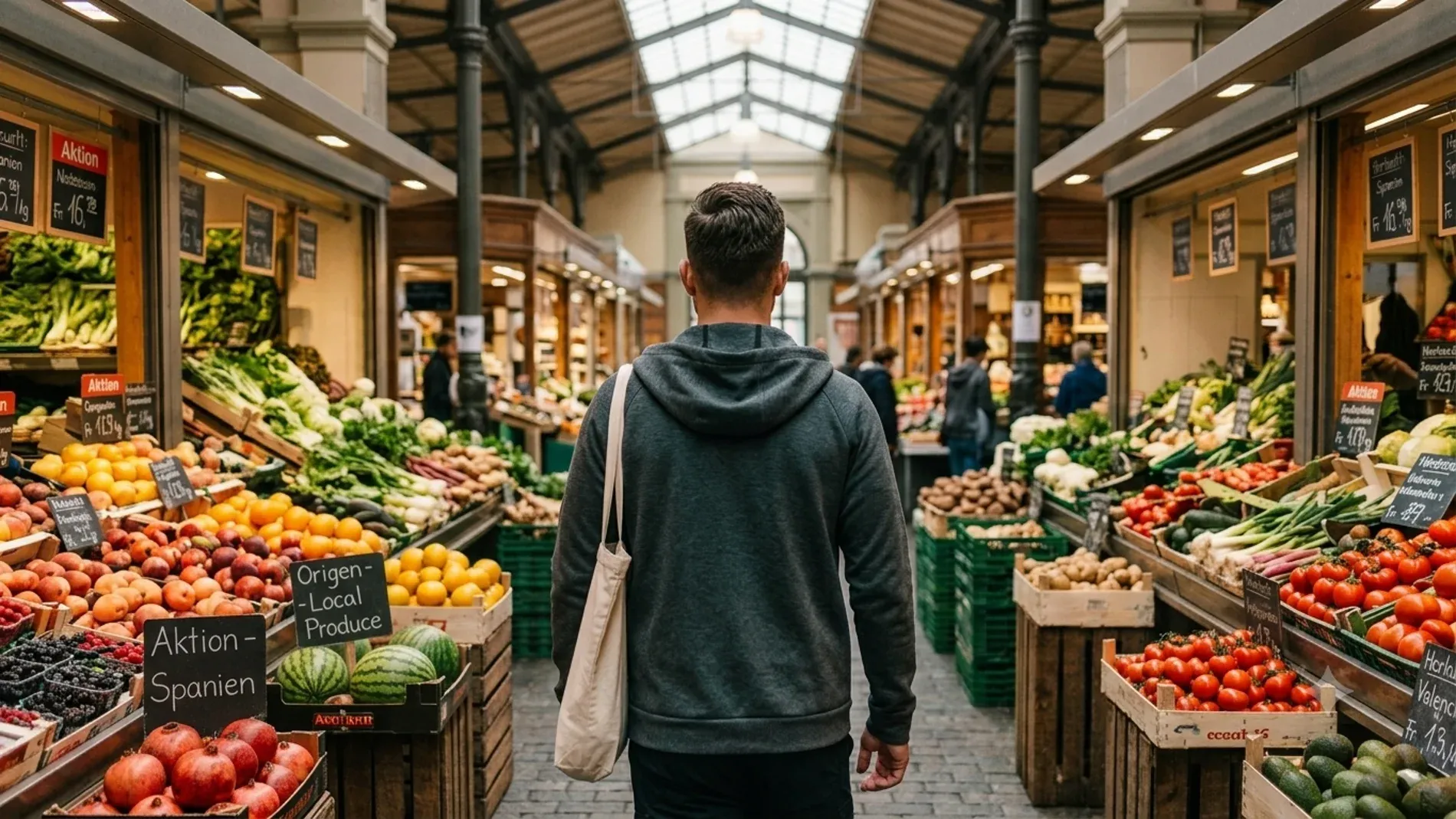
Another Spaniard living in Switzerland emphasized the country's stringent immigration controls, asserting that this regulation ensures that individuals who come to Switzerland are there to work rather than rely on state support or engage in criminal activities. This perspective stirred controversy in the online community when the account 'Suiza en Español' remarked, "You in Spain buy fruit from Morocco while we in Switzerland buy fruit from Spain," igniting discussions about the dynamics of food sourcing between the two nations.
The Emotional Cost of Leaving Spain for Work in Switzerland
While economic factors often serve as the primary motivation for migration, many Spaniards in Switzerland agree that the distance from family and friends presents one of the greatest challenges. Adapting to a new culture, overcoming language barriers, and the feeling of missing significant life events with loved ones are common experiences among those who seek opportunities beyond Spain's borders. Despite the high salaries and favorable working conditions in Switzerland, numerous workers acknowledge that financial well-being does not always offset the emotional strain of starting anew far from home. Thus, emigration remains a complex decision influenced by personal, familial, and professional considerations.
The TikTok account 'Suiza en Español' showcased various Spanish products such as melons, watermelons, peaches, oranges, peppers, eggplants, and tomatoes in a Swiss supermarket, with labels confirming their Spanish origins. After leaving the store, the user addressed critics, stating, "This is for those who say we don't eat well in Switzerland," and added, "To show you that we eat what is produced in Spain." The user clarified that their intent was not rooted in racism, saying, "This isn't a matter of racism, so don't come at me with that story." The video aimed to highlight the challenges faced by rural communities in Spain, pointing out the paradox that while they consume products from Spain, Spain is importing goods from Latin America and Morocco.
In a reflective tone, they lamented the situation, stating, "That isn't very correct considering the quality of the products we have in Spain," and concluded by expressing happiness in consuming Spanish products. This viewpoint aligns with recent data indicating that Morocco has become Spain's leading supplier of fruits and vegetables, surpassing France. In the first quarter of 2025, imports from Morocco surged by 28%, reaching 672 million euros, and by June 2026, these imports represented over a quarter of the total.
The Debate on Agricultural Imports in Spain
The rise in imports of fruits and vegetables from third countries has sparked intense debates within the Spanish agricultural sector. Agricultural organizations have long denounced that domestic producers must adhere to stricter environmental, labor, and phytosanitary standards than those imposed on imports. This situation has prompted calls within the sector for greater protection for Spanish farmers and more stringent controls on imported products. Advocates argue that the goal is to ensure fair competitive conditions among all producers operating in the European market.
Spain's agricultural sector plays a crucial role in the food supply for numerous European countries. Thanks to the favorable climatic conditions of regions such as Andalusia, Murcia, Valencia, and Aragon, Spain has established itself as one of the continent's leading exporters of fruits and vegetables. Products like citrus fruits, tomatoes, peppers, melons, and peaches are prominently featured in supermarkets across countries such as Germany, France, the United Kingdom, the Netherlands, and Switzerland, where they are valued for their quality and availability throughout much of the year.
As reported by larazon.es.