The Tragic Death of Lahbib Mohamed Abdelaziz
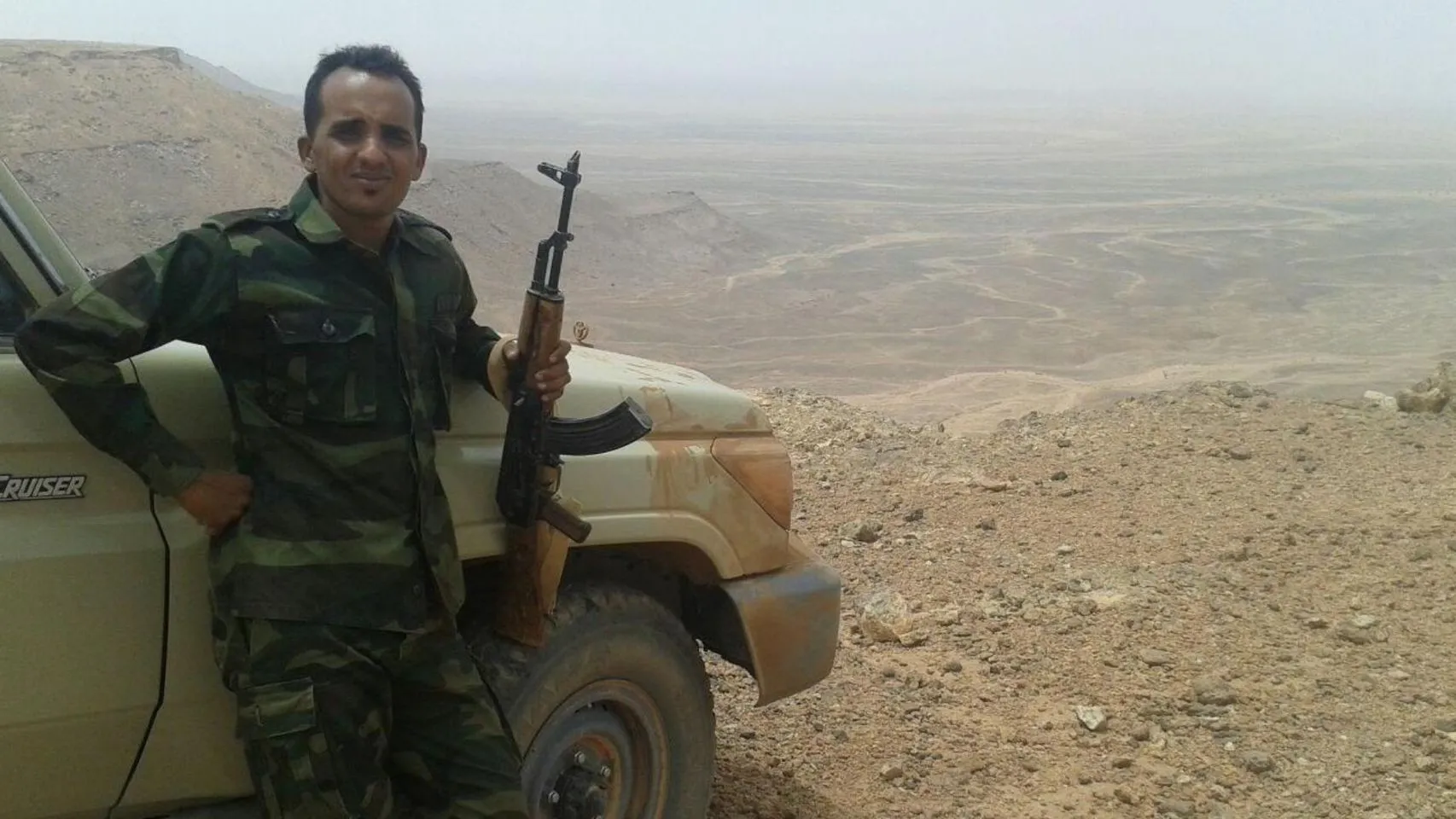
Lahbib Mohamed Abdelaziz, a prominent leader of the Polisario Front, met his demise on June 7, during a military operation aimed at harassing Moroccan military positions in the desert region surrounding Guelta Zemmur. This locale is under the de facto control of the authoritarian regime led by King Mohammed VI of Morocco, situated near Mauritania and resting against the fortified Moroccan line that divides the Sahara. The vehicle he was traveling in, accompanied by two comrades, came under assault from a drone, marking a significant moment in the ongoing conflict between the Polisario and Morocco.
His brother, Jalil Abdelaziz, learned of this tragic news while in Madrid, receiving a communication from the Sahrawi Ministry of Defense directed to their family. Immediately upon hearing about Lahbib's death in combat, he took the first flight available, wishing to support his siblings during this challenging time. The family, originally consisting of seven, now mourns the loss of one of their own. Jalil expressed the duality of grief and pride that comes with such loss; while the pain of losing a younger brother and an uncle to his children is unbearable, he finds solace in the notion that Lahbib's sacrifice has become an emblematic representation of dedication to their people.
The Rising Tensions and Military Strategies
The circumstances surrounding Lahbib's death have raised critical questions regarding the evolving military strategies employed by both the Polisario Front and Moroccan forces. Following the 1991 ceasefire, which was supposed to pave the way for a self-determination referendum that has yet to materialize, hostilities reignited in November 2020 when the Moroccan army entered the buffer zone of Guerguerat to dismantle the Sahrawi blockade. The resumption of conflict has complicated the dynamics on the ground, with Moroccan forces increasingly utilizing advanced military technology, including drones from Turkey, China, and Israel. This shift has transformed the battlefield into a technologically driven environment where surveillance and precision strikes have become the norm.
Jalil Abdelaziz asserts that the loss of Lahbib is part of a broader pattern, with several senior members of the Polisario's political-military leadership also having fallen victim to similar aerial assaults. The growing reliance on drone technology has enabled Morocco to conduct operations with heightened efficiency, posing significant challenges to the Polisario's traditional guerrilla tactics. In contrast, the Polisario continues to adapt by launching targeted attacks against fixed positions along the Moroccan defensive berm, which stretches approximately 2,700 kilometers and serves as a formidable barrier to Sahrawi movement.
The recent conflicts have highlighted the stark asymmetry of this war; while the Polisario must engage in risky maneuvers to strike specific targets, Moroccan forces can operate from behind the safety of the berm and strike with aerial precision. The ongoing technological arms race has raised the stakes significantly, with both sides continuously seeking advantages in this protracted struggle for autonomy and recognition.
As reported by elespanol.com.