Urgent Need for Local Governance Reform in Marrakech
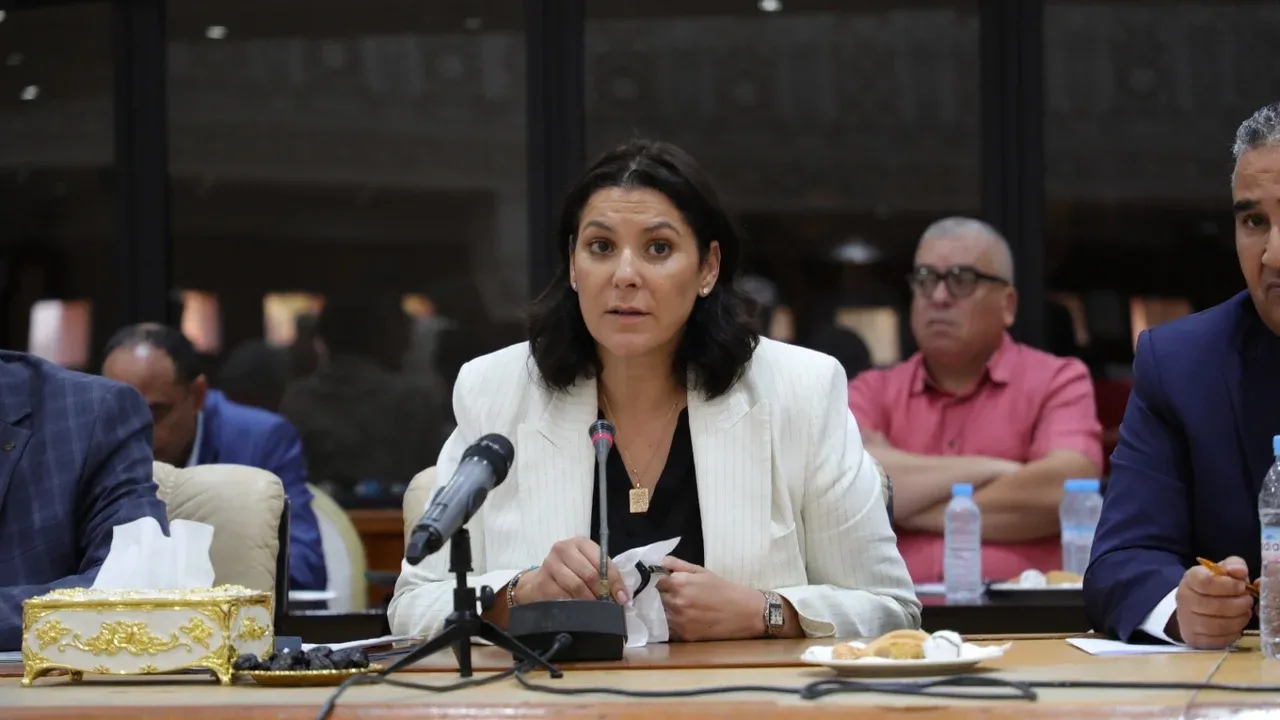
Marrakech, a city renowned for its global significance and tourist appeal, is currently at a crossroads where discussions surrounding local governance have transcended mere political banter to become a pressing necessity. The growing disparities between the official narrative and the lived realities of its citizens indicate a critical need for reform. Reports have emerged from various sources, including the newspaper "Al-Akhbar," highlighting serious allegations against Fatima Zahra Mansouri, the Minister of Housing and Urban Planning as well as the Mayor of Marrakech. These allegations concern questionable public contracts in the urban development sector, which have purportedly benefited a company owned by a prominent leader of the PAM party, who also chairs a significant elected council. The financial implications of these deals, reportedly amounting to nearly 300 million dirhams, center around the city’s green spaces.
Moreover, local council advisors have echoed concerns regarding similar contracts executed in municipalities led by the same party, urging for an investigation by the Regional Audit Council and the General Inspectorate of Territorial Administration under the Ministry of Interior. These calls for inquiry also highlight potential conflicts of interest that must be addressed transparently.
The Illusion of Progress Amidst Political Turmoil
The recent tourist season has unveiled troubling trends characterized by exaggerated promotional narratives overshadowing the stark realities facing Marrakech. Despite the city being marketed as a vibrant global destination, the prevailing situation raises more questions than answers. Instead of engaging in effective oversight, political and institutional powers have resorted to cosmetic measures that delay critical discussions, while the city desperately requires candid dialogue and accountability.
Compounding this issue is the noticeable absence of Mayor Fatima Zahra Mansouri from daily governance, as she appears to rely on indirect delegation through administrative channels, including her office director and head of municipal services. This raises significant questions about political accountability and the alignment of such governance style with the principle of responsibility.
Recent statements made by the Mayor's first deputy have intensified the debate, particularly regarding budget allocations for projects allegedly underway, amounting to approximately 88 billion dirhams, which have yet to yield tangible results. If this figure is accurate, it demands rigorous institutional scrutiny to clarify its allocation and assess its effectiveness in meeting the stated objectives.
The stark irony is that this situation coincides with early political maneuverings in preparation for upcoming elections, where some actors are attempting to reposition themselves despite a lack of clear achievements or a transparent track record. This raises a pivotal question: how can trust be sought afresh without providing the residents with a true account of past performance?
Marrakech, with its historical, touristic, and economic weight, cannot afford governance that is predicated on distorting priorities or inflating figures. What is urgently needed is a clear vision, proactive leadership, and genuine accountability that can restore trust between the citizens and their institutions.
As reported by aabbir.com.