The Agricultural Crisis in Yemen: An Impending Threat
As international warnings about the expanding hunger crisis in Yemen intensify, the decline of the agricultural sector reveals a deeper crisis affecting the country's capacity to produce the bare minimum of food. This situation has plunged hundreds of thousands of rural families into a perilous condition. According to a report from the Food and Agriculture Organization (FAO) of the United Nations, approximately 593,000 agricultural households require urgent support in the coming months, with nearly half a million families needing immediate intervention to maintain minimal production levels.
A Farming Landscape Without Tools
The deterioration of agricultural production in Yemen has stemmed from several factors, the most prominent being a shortage of seeds and fertilizers, skyrocketing fuel prices, and diminishing purchasing power. These issues are putting immense pressure on farmers simultaneously. Additionally, Yemen is severely affected by climate change, experiencing recurrent droughts followed by sudden heavy rains that damage crops and erode soil. Consequently, Yemeni farmers find themselves trapped in a cycle of high production costs, increasing risks, and limited returns that barely cover their losses.
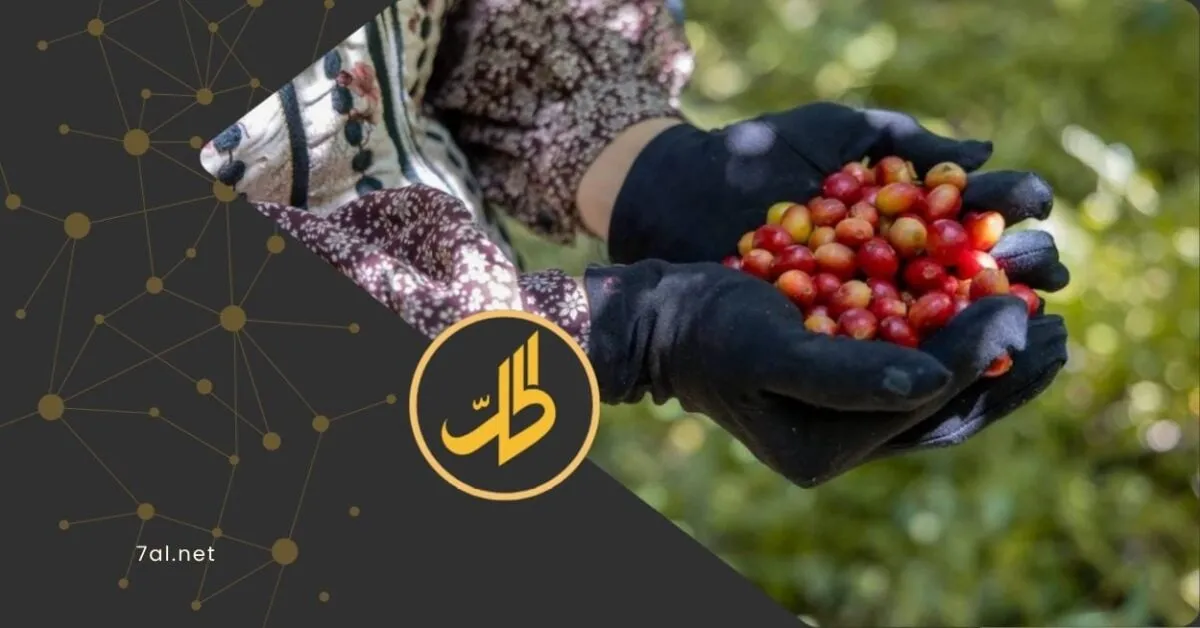
Despite this decline, some international interventions have emerged in an attempt to mitigate the collapse, including the "Food Security Enhancement Response" project implemented by the United Nations Development Programme (UNDP), funded by the World Bank. This initiative has provided direct support to over 17,000 farmers, improved thousands of hectares of farmland, and established water infrastructure that has helped stabilize agricultural production. The project has also contributed to the storage of significant water quantities, leading to a relative improvement in farming in certain areas, particularly in coffee cultivation. However, the persistent war, severe climate changes, and rapid economic collapse create a daunting reality for Yemeni farmers, eroding their ability to produce food due to oppressive tax policies and a complete lack of support.
As reported by 7al.net.