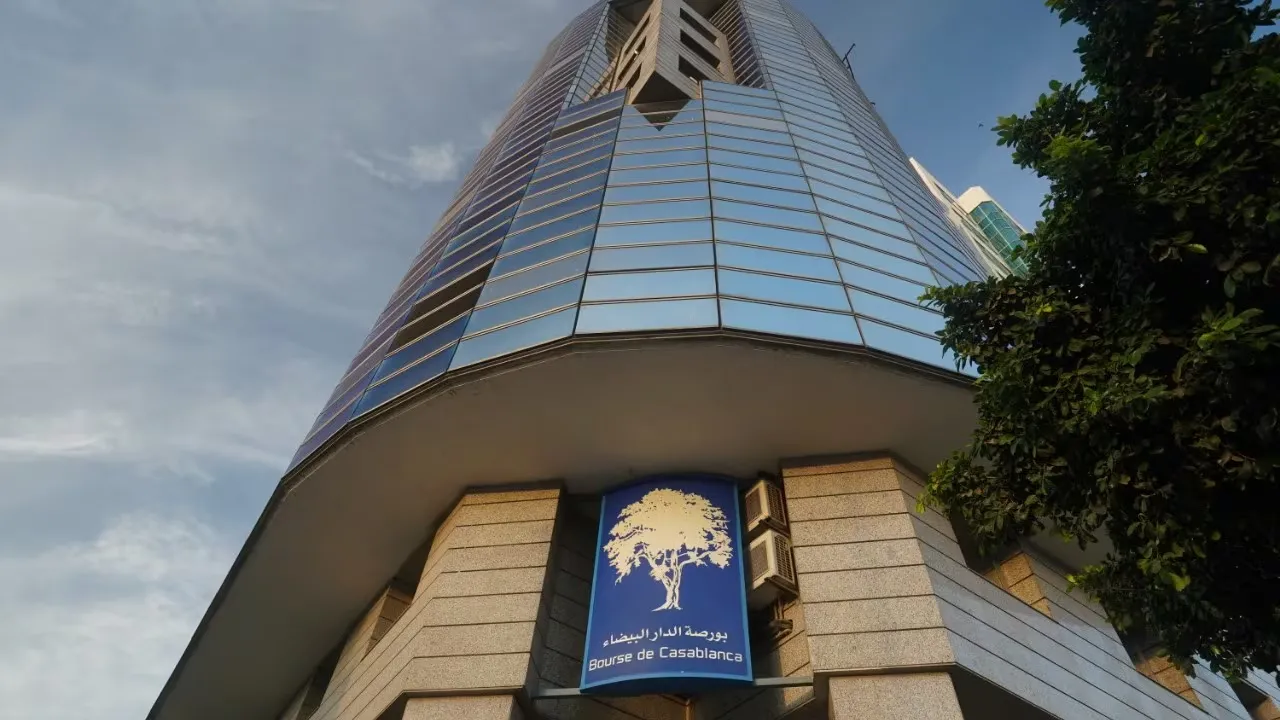
Retail Investor Boom at the Casablanca Stock Exchange
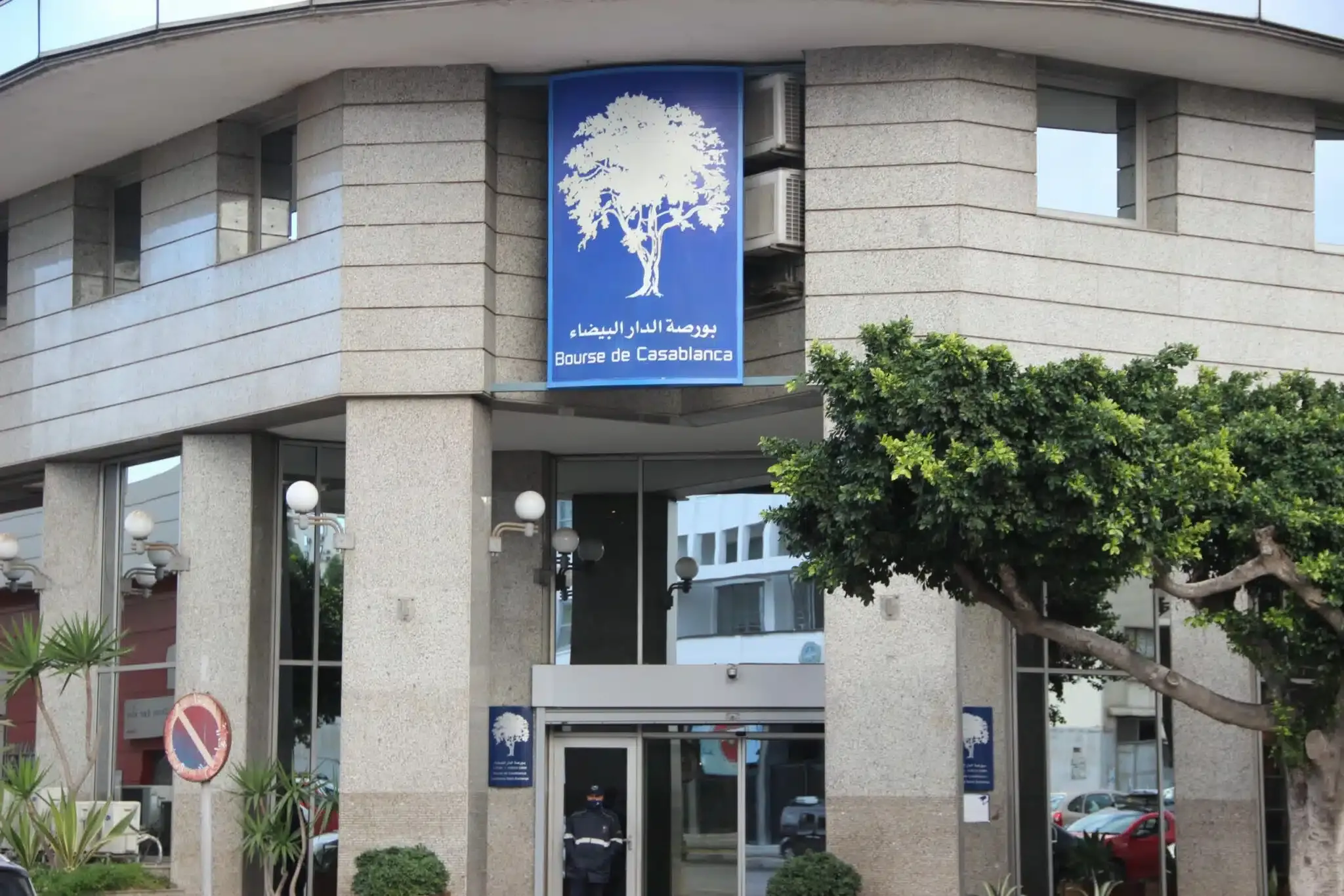
The Casablanca Stock Exchange has witnessed a remarkable resurgence in retail investor participation, with active individual investors surging by over 142% in 2025, as highlighted by _Les Inspirations Éco_. This unprecedented growth is propelled by a bullish market and a series of historic initial public offerings (IPOs), fundamentally reshaping the dynamics of the financial marketplace. The influx of retail investors, drawn by the prospect of quick gains amidst the backdrop of the anticipated 2030 World Cup, presents a new challenge for market professionals: transforming these opportunistic traders into long-term investors.
Significant Growth Driven by New IPOs
Throughout 2025, the Casablanca Stock Exchange rang its bell three times to celebrate the successful entries of Vicenne, Cash Plus, and SGTM, which collectively generated an astounding 252 billion dirhams in subscriptions against an overall offering of just 6 billion dirhams. Nearly 290,000 subscribers participated, marking a significant revival in the primary market. As reported, the Moroccan Capital Market Authority's latest report reveals that the active client base for brokerage firms skyrocketed by 142.3% within a year, reaching 35,287 investors by the end of 2025. Notably, Moroccan individuals accounted for the majority, with 32,002 active accounts, representing 91% of the total clientele, a significant increase from 82% the previous year. The total number of securities accounts also saw a dramatic rise, climbing from 230,604 to 401,169, driven exclusively by resident individuals. Consequently, the share of these retail investors in traded volumes surged from 14% in 2023 to 26% in 2025, reflecting a remarkable growth as overall market transactions increased by 63%, reaching 161 billion dirhams.
However, this influx of retail investors has raised concerns among professionals regarding their trading behavior, which appears more aligned with opportunistic trading rather than long-term investment strategies. Throughout the year, individual investors displayed a slightly selling net balance, indicating their primary focus on rapid capital gains. This heightened responsiveness among retail traders tends to amplify market volatility, particularly during geopolitical tensions, as observed in recent Middle Eastern conflicts. The urgency for immediate profits has also been fueled by frustrations over allocation mechanisms during IPOs. For instance, during the Cash Plus introduction, over 81,000 subscribers vied for shares, resulting in demand that was 65 times greater than the available supply. This prioritization of institutional investors left retail participants with a meager allocation, averaging around twenty shares each, leading many to perceive the gains as mere loyalty rewards rather than substantial investment opportunities.
The pressing challenge for the Casablanca financial market is to convert these opportunistic traders into sustainable shareholders, thereby establishing lasting liquidity. By the end of 2025, central market activity had doubled, and liquidity ratios reached 14.2%, buoyed by a handful of prominent stocks. However, foreign investors remain hesitant, with their share in transactions capped at 5%, a stark contrast to pre-withdrawal levels from the MSCI Emerging Markets index. With promising prospects linked to the upcoming 2030 World Cup and forthcoming IPOs, the Casablanca Stock Exchange must demonstrate its ability to retain this newfound popular savings.
As reported by fr.le360.ma.