Expanding Economic Ties with Morocco
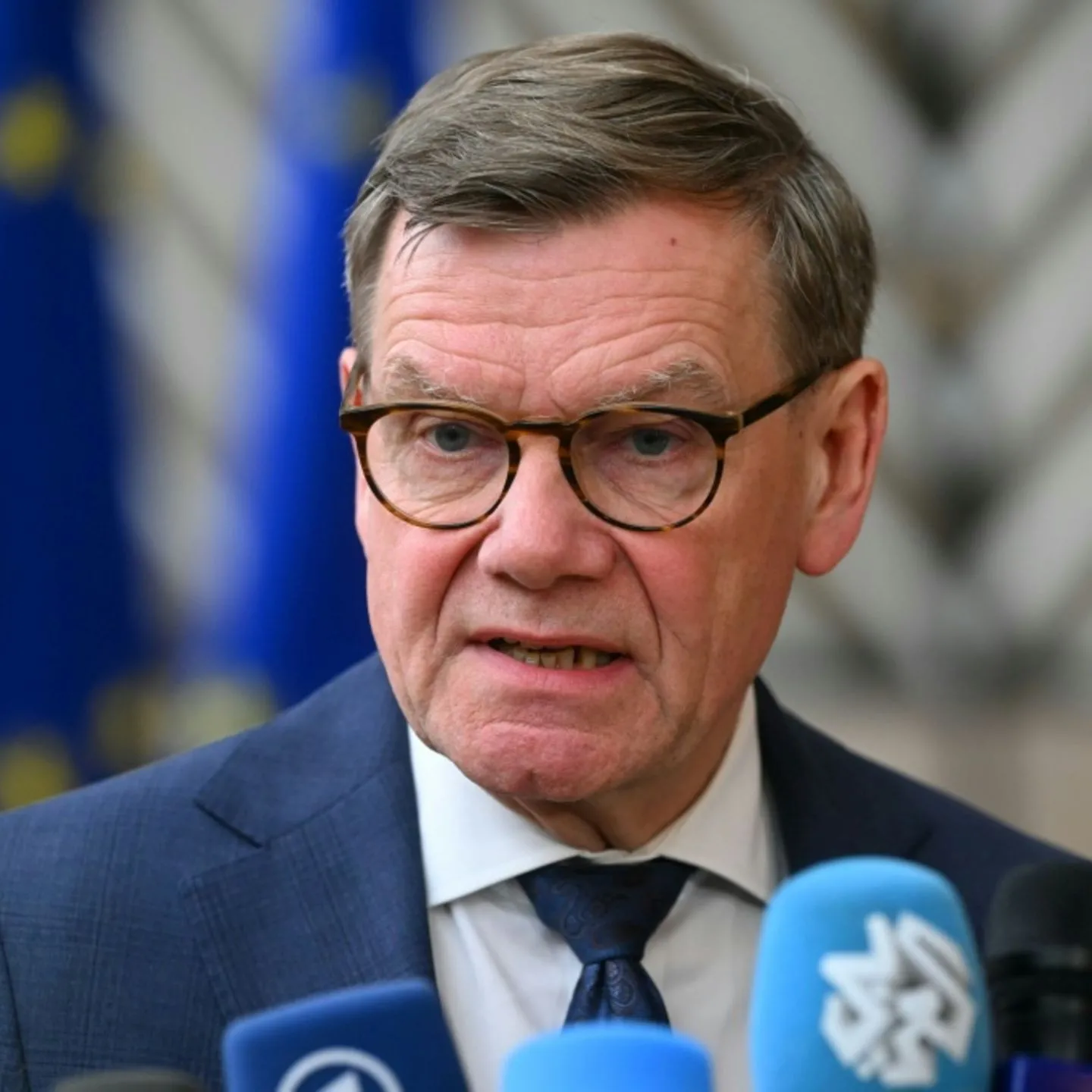
During a recent statement, the Minister emphasized the significant potential for growth in the economic relationships between Germany and Morocco, particularly in sectors such as renewable energy, critical raw materials, and hydrogen. He highlighted the valuable contributions of Moroccan professionals in the German healthcare and nursing sectors, underscoring the importance of this collaboration.
This week in the Moroccan capital, the Minister is participating in a reception marking the 70th anniversary of diplomatic relations between Germany and Morocco. Scheduled for Thursday is a strategic dialogue meeting with his Moroccan counterpart, Nasser Bourita, alongside a delegation from the business sector. Morocco stands as Germany's second-largest trading partner in Africa, following South Africa. In the previous year, Germany exported goods worth €3.9 billion to Morocco, while imports exceeded €3.4 billion, with approximately 300 German companies operating within the Moroccan market.
Political Stability and Regional Cooperation
Morocco's political stability, especially in a region rife with conflict, makes it a crucial partner for Germany. In February 2022, both nations agreed to restart their diplomatic relations after previous tensions, particularly concerning the status of Western Sahara, which Morocco claims. The Minister stated, "In times of uncertainty and geopolitical tensions, it is partners like Morocco with whom we seek to strengthen and intensify our exchanges." He noted Morocco's commitment to the peace plan for the Gaza Strip, where Rabat was the first Arab nation to pledge police and military forces for a stabilization mission, highlighting its stabilizing role in the region.
Furthermore, he mentioned Morocco's shared goal of stabilizing the Sahel region to mitigate crises and address migration issues. The situation in Mali remains particularly critical, with jihadists and Tuareg rebels launching an offensive against the military government supported by Russia.
Morocco serves as a transit country for many African migrants en route to Europe. In early 2024, the German government established a migration agreement with Morocco aimed at reducing irregular migration while enhancing legal labor migration. The Mediterranean coast of Morocco is home to the Spanish enclaves of Melilla and Ceuta, forming the only land border between the EU and Africa and frequently attracting individuals seeking better opportunities in Europe.
Recently, Morocco has been added to an EU list of so-called safe countries of origin, which will apply to all member states starting in the summer. This designation is set to expedite the processing of asylum applications from individuals from Morocco, either through accelerated procedures or at border points.
Human rights organizations have frequently criticized the human rights situation in Morocco. According to the World Press Freedom Index by Reporters Without Borders, Morocco ranked 120th out of 180 countries in 2025.
In an exciting development for sports fans, Morocco will co-host the FIFA World Cup in 2030 alongside Spain and Portugal.
As reported by stern.de.