Spanish Press Sparks Rivalry Ahead of 2030 World Cup
The 2030 FIFA World Cup is quickly shaping up to be a landmark event in football history, commemorating the centenary of the tournament that first took place in 1930. This unique edition will be co-hosted by Morocco, Spain, and Portugal, with three inaugural matches set to occur in South America to honor the tournament's origins. As preparations unfold along the Atlantic and Mediterranean coasts, symbolic rivalries are already emerging, with each country vying for the chance to host the most prestigious matches, particularly the final, which is seen as the crowning achievement of the global tournament. At the center of this competition are two cities: Madrid and Casablanca, both viewed as prime candidates to host the grand finale on July 21, 2030. Behind the diplomatic smiles and official statements lies a growing image battle, driven by respective football federations, stadium projects, and a watchful sports press eager to pick up on any sign of advantage or weakness.
However, the journey towards the World Cup in the Iberian Peninsula has not been without its challenges. Several Spanish cities have recently opted out of the bid due to the substantial investments demanded by FIFA. Málaga and La Coruña have withdrawn from the project, revealing financial and logistical difficulties associated with upgrading stadiums. Simultaneously, incidents in Spanish football have tarnished the nation's image, notably during a friendly match between Spain and Egypt at the RCDE Stadium, where some fans chanted derogatory remarks aimed at Islam. This incident prompted a strong reaction from the president of the Spanish Football Federation, Rafael Louzán, reigniting an already sensitive debate within the country. In recent years, numerous players, including Vinícius Júnior, Kylian Mbappé, and Ansu Fati, have faced racist insults in certain stadiums. As the 2030 deadline approaches, these incidents cast doubt on Spain's international football reputation and raise concerns about the authorities' ability to manage fan behavior during such a significant event.
Morocco's Ambitions Amidst Challenges
In light of these difficulties, segments of the Spanish sports media have chosen to highlight Spain's historical strengths in organizing major events. The Madrid-based newspaper _AS_ recently contrasted two images that encapsulate the subtle rivalry between the Iberian Peninsula and the Kingdom of Morocco. The Copa del Rey final in Seville, which saw Atlético de Madrid face Real Sociedad, attracted over 70,000 fans in a festive and well-managed atmosphere. Just days before, a European match involving Real Betis and Sporting Braga drew thousands of Portuguese supporters to the city without any notable incidents. Spanish media also referenced past events that bolstered the country's organizational reputation; for instance, the 2018 Copa Libertadores final was relocated to Madrid's Santiago Bernabéu Stadium under circumstances praised for their security. Such narratives illustrate Spain as a nation well-versed in hosting major football events, accustomed to managing large crowds with remarkable efficiency.
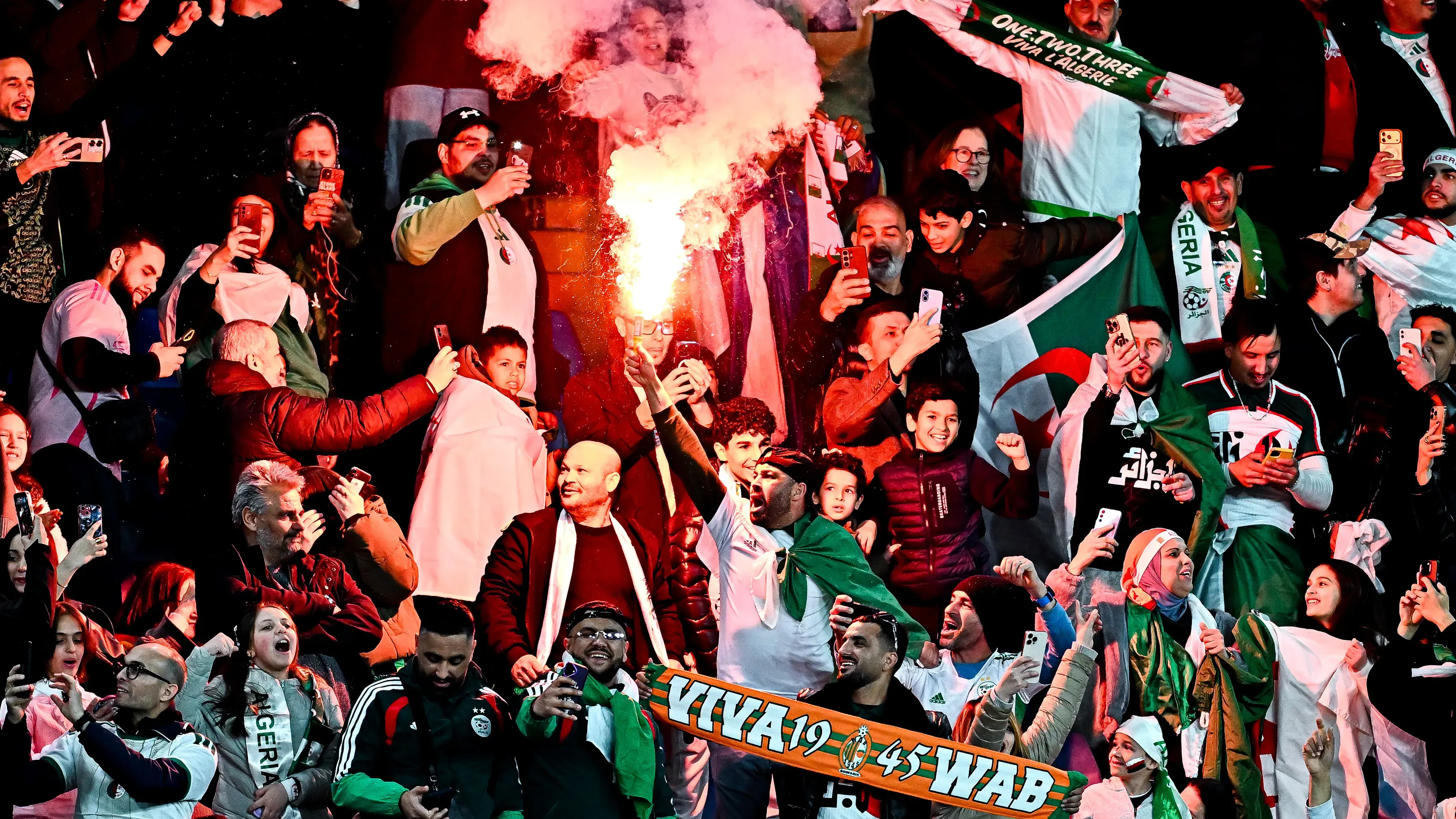
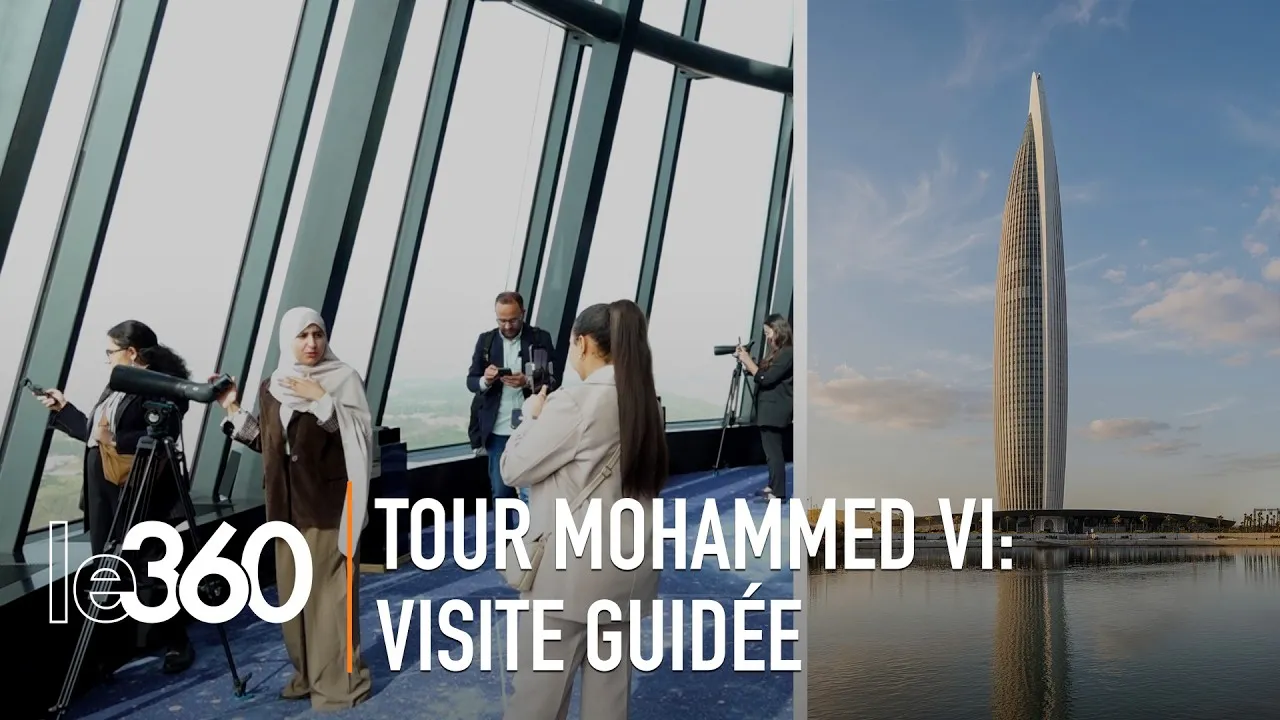
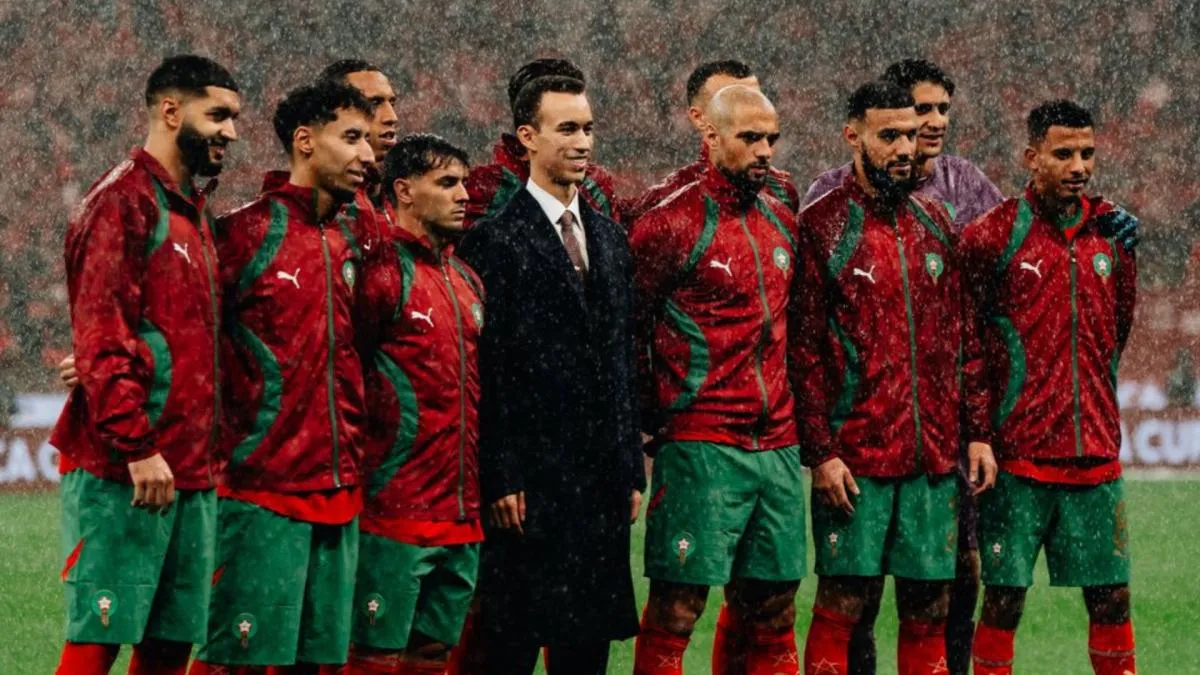
Conversely, Spanish newspapers, including _AS_, have pointed to recent challenges faced by Morocco in organizing events. The CAN 2025 final in Rabat between Morocco and Senegal was marred by tensions and ongoing controversies that have reached the Court of Arbitration for Sport in Lausanne. Other African matches have also experienced turmoil, including a continental clash involving Olympic Safi and USM Alger, which reignited sports and political tensions. Given this tumultuous backdrop, Madrid's press emphasizes Spain's accumulated experience and the FIFA's confidence in its ability to host the World Cup final. Meanwhile, plans for a new grand stadium in Casablanca are being finalized, fueling Morocco's aspirations for a historic African final. The rivalry between these two nations may be discreet, but it is undoubtedly intense. As the narrative unfolds in newspaper columns and behind the scenes of federations, the road to 2030 is already shaping up to be a grand tale of prestige, symbolism, and sports rivalries, promising a night of football that will be etched in history.
As reported by footmercato.net.