Exploring Autonomy Within the Framework of Self-Determination
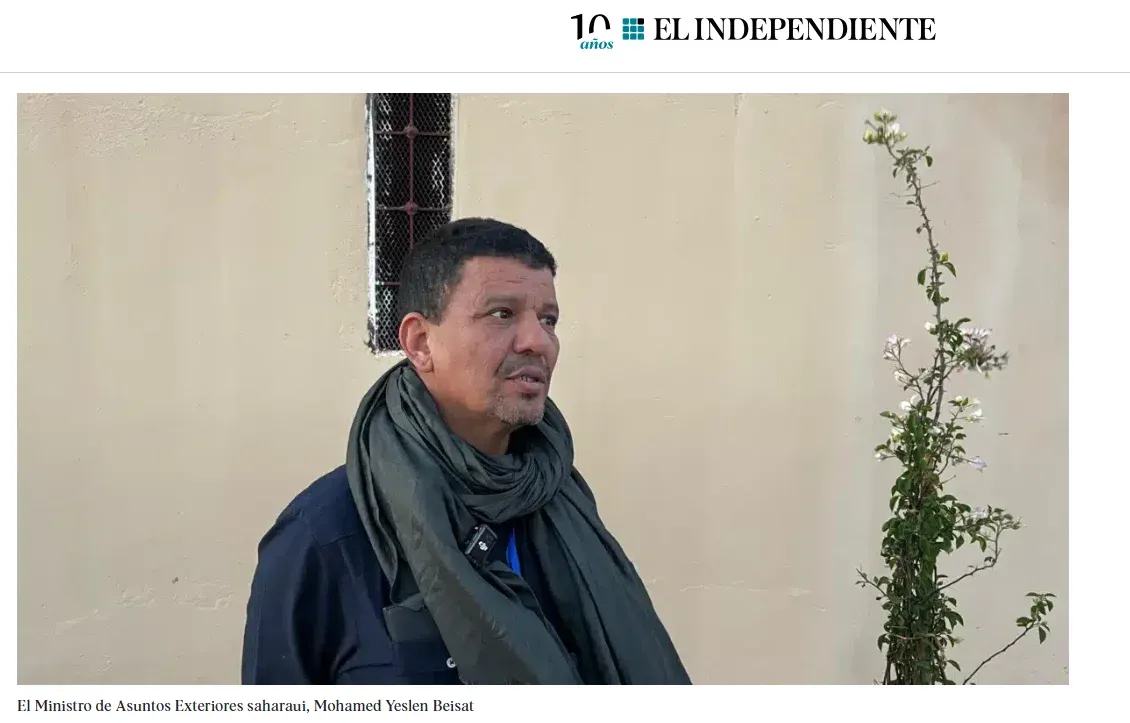
The Spanish newspaper El Independiente recently featured an interview with Saharawi Foreign Minister Mohamed Yeslen Beisat, who introduced a significant nuance into the ongoing debate surrounding the resolution of the Western Sahara conflict. He stated that while autonomy could be included as one of the options available for consultation, it must never be considered the sole alternative. Beisat emphasized that the Polisario Front is open to discussing any proposals within the framework of international law, explicitly mentioning Morocco's autonomy proposal, provided it is presented as one option among many rather than as a compulsory solution.
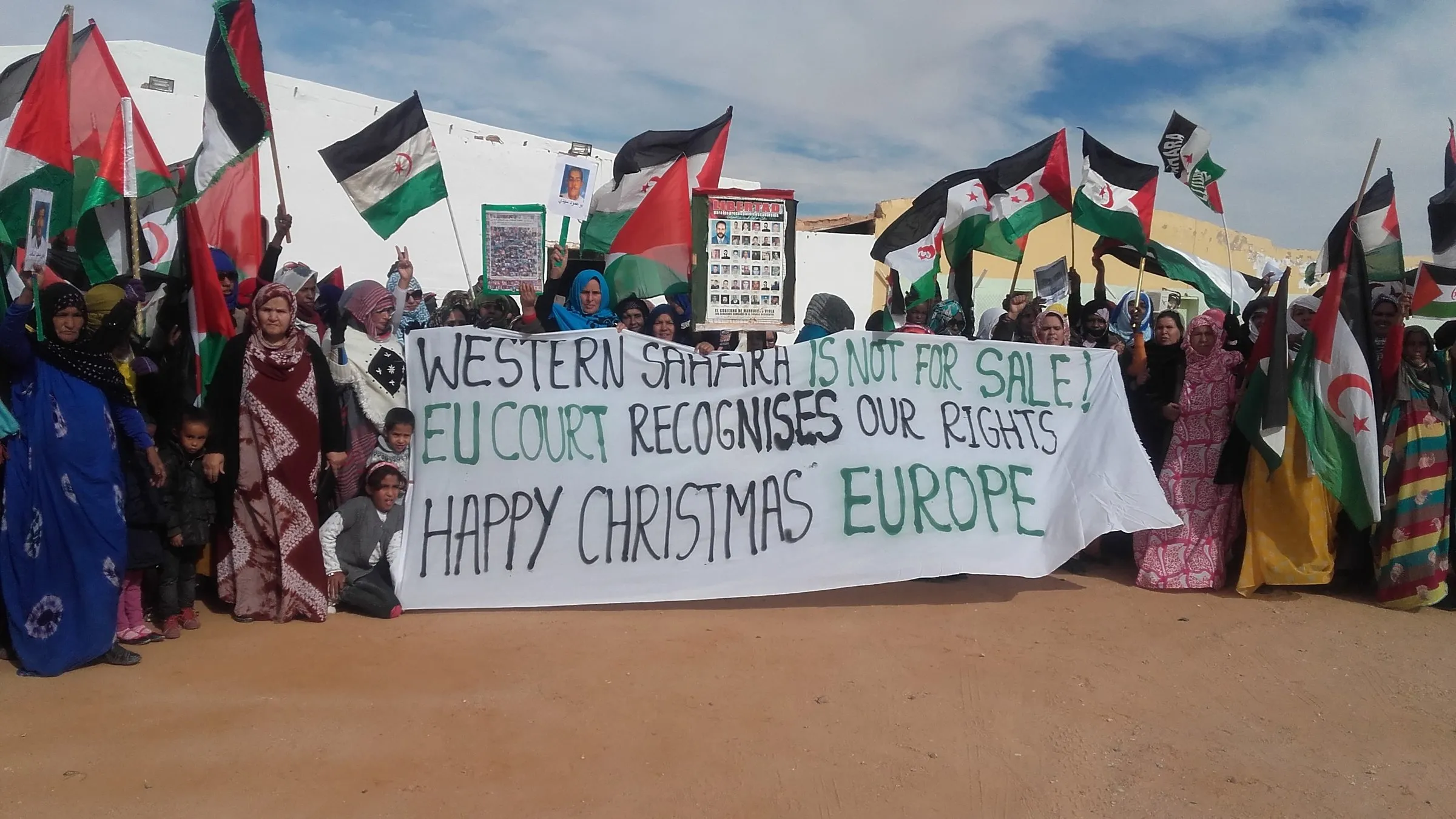
"We can discuss and accept autonomy as an option presented to the Saharawi people, but we will never accept autonomy as a dictated, singular solution," Beisat asserted. This statement does not indicate a shift in position but rather reiterates the foundational stance that the Polisario has historically maintained within the United Nations framework: the necessity for a genuine self-determination process allowing the Saharawi people to choose from various options, including independence.
The Importance of Choice in the Negotiation Process
Furthermore, Beisat insisted that independence should not be imposed as the only viable outcome. He highlighted, "We cannot make independence the only option," stressing that the essence of the process lies not in the outcome itself but in the freedom of choice afforded to the Saharawi people. His remarks bolster a central idea: the disagreement does not primarily revolve around the possible options but rather the conditions under which these options are proposed. While the Polisario advocates for an open process, Morocco insists on limiting the solution to its autonomy proposal.
The interview also sheds light on the current context of the negotiations. According to the Saharawi minister, the United Nations-led process, with the involvement of the United States, is currently at a stage of bilateral contacts and document exchanges, following several rounds of talks in various locations. Beisat acknowledged the role of the United States as a mediator, despite its historical support for Morocco, and expressed that its international influence could be pivotal in advancing the process, as long as the framework of international legality is respected.
Simultaneously, he criticized Morocco for its "lack of good faith," accusing it of maintaining a double standard between negotiations and the on-ground situation, citing actions such as the imprisonment of Saharawi political prisoners and the use of military force. Politically, the Saharawi minister reiterated Spain's crucial role as a key player, reminding that Spain remains the administering power of the territory and expressing hope that the Spanish government will reconsider its current stance, which he termed a "mistake." Overall, the interview presents a clear interpretation: the Polisario does not dismiss any options within a self-determination process but firmly maintains a critical point: no solution can be imposed on the Saharawi people or replace their right to decide.
As reported by noteolvidesdelsaharaoccidental.org.