Launch of Renovation Program for Rural Tourism Accommodation
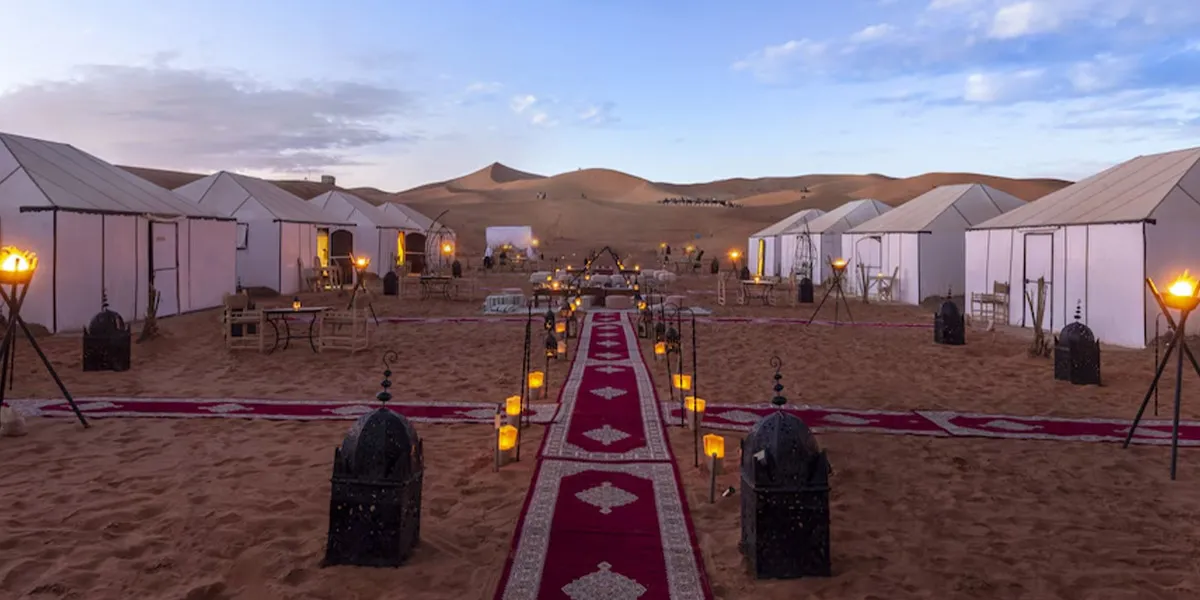
The Regional Development Company for Tourism (SDRT) has initiated a groundbreaking renovation program aimed at enhancing rural tourism accommodations in the Souss-Massa region. This initiative offers a substantial financial incentive, providing a 50% subsidy for renovation costs, with a cap set at 400,000 MAD. Additionally, participants will receive personalized technical support to modernize their facilities. Open for applications until July 3, 2026, this program is designed to address the capacity deficit within the region while aligning rural offerings with international standards. This effort complements previous initiatives aimed at revitalizing the overall hotel landscape in the destination, which has been significantly challenged by the need for modernization.
Following the successful launch of a renovation mechanism for tourist accommodation establishments in Agadir, which includes the seventh call for expressions of interest, the SDRT is once again extending its support specifically to owners and managers of rural tourist facilities interested in benefiting from this subsidy. This program targets medium and small-sized establishments located in rural areas, aiming to bridge the infrastructural gaps between urban coastal areas and mountainous or rural regions that are crucial for enhancing the region's tourism appeal.
Comprehensive Selection Process and Challenges
The selection process for this program is meticulously structured into four distinct components: legal, financial, social, and technical. On the legal front, applicants must submit updated statutes, a recent commercial registry extract, a statement of ongoing litigations, and proof of ownership or relevant operation documents. For establishments under protective plans, additional documents such as court judgments and trustee reports are required.
Financially, candidates are expected to present a notarized declaration or a bank guarantee ensuring the return of the subsidy if the renovation works are not completed. Furthermore, the submission must include the financial statements for the last two fiscal years, along with certificates of fiscal and social compliance. The technical dossier is pivotal as it requires a detailed description of the establishment, a demonstration of funding sources covering at least 50% of the total renovation costs, and a comprehensive upgrading plan projecting the anticipated impact on revenue and employment over two years.
In cases where renovation works necessitate urban planning permissions, initial plans validated by the relevant authorities must accompany the application, or it will be rejected after a grace period of three months. Beneficiaries will receive tailored technical assistance to guide their renovation choices, optimizing customer experiences while incorporating environmentally friendly practices.
It is important to highlight that while the tourism outlook for Agadir is currently positive, the issue of accommodation capacity remains a critical challenge that must be addressed to sustain growth in the coming years. The region's hotel capacity has seen a 4% increase in 2026 compared to the previous year; however, demand continues to outpace available accommodations. The need for renovation across various segments of the hotel sector, including rural accommodations, is imperative to meet international standards. This highlights the importance of this recent call for expressions of interest aimed at aiding rural accommodation owners and managers in upgrading existing structures, alongside similar programs initiated for urban hotels.
In summary, Agadir currently faces a substantial shortfall of approximately 6,500 beds, with the hotel capacity at around 31,402 beds. The destination is grappling with three significant challenges: a large number of closed hotels, halted construction projects, and a lack of strategic visibility. With 19 establishments currently out of service, representing 2,445 rooms and 5,462 beds, the region must navigate these hurdles to fully capitalize on its tourism potential and ensure the sustainability of its hospitality sector.
As reported by leseco.ma.