Haiti's Participation in the Francophone Peacekeeping Conference: A Step Forward
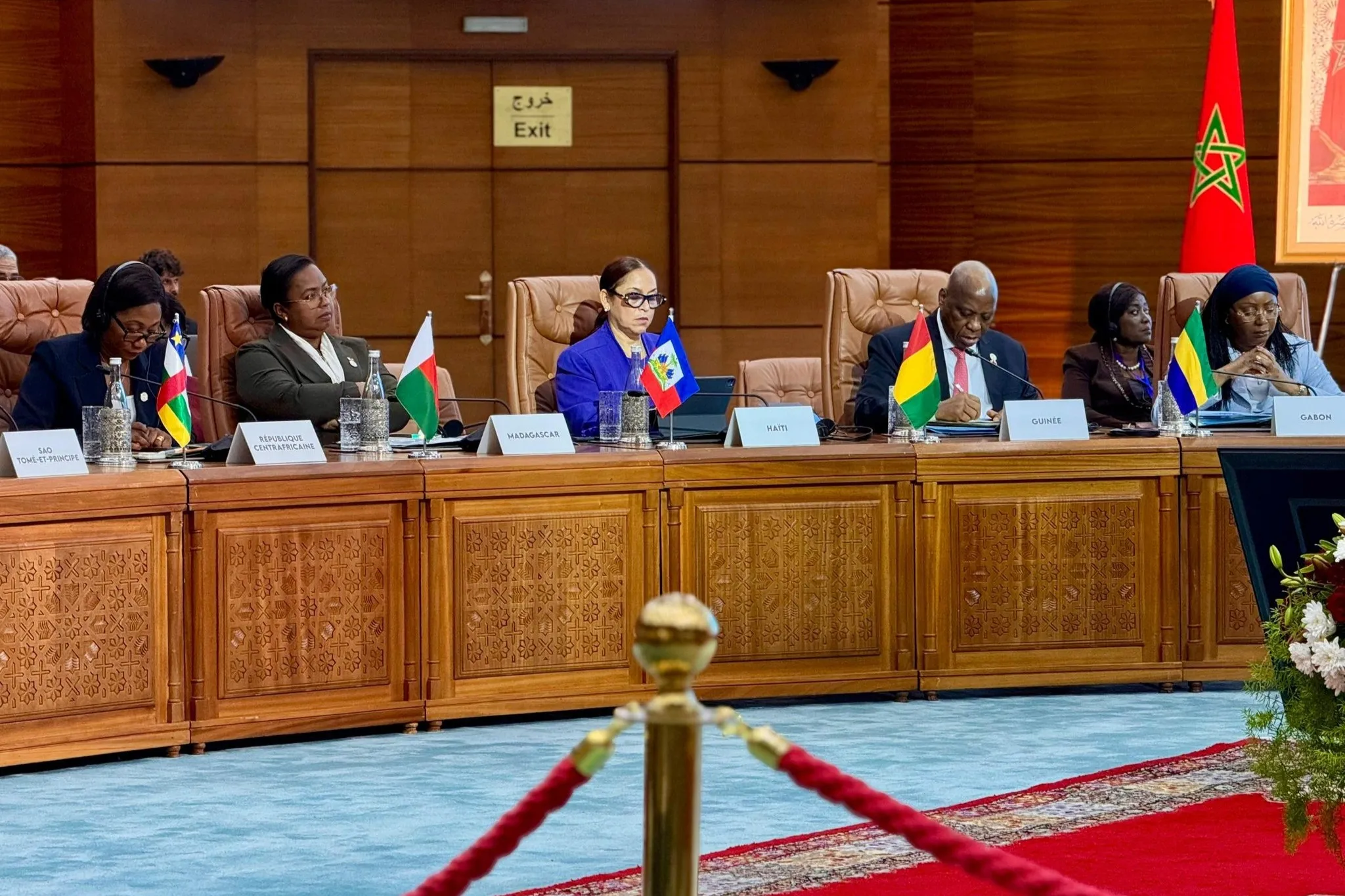
One of the recent diplomatic milestones that deserves recognition is Haiti's active involvement in the second ministerial conference on peacekeeping within the Francophone community, held in Rabat, Morocco, on May 20, 2026. In light of Haiti's ongoing multidimensional crisis, characterized by a weakening of state security capabilities and an increasing internationalization of Haiti's issues, the country's representation in multilateral diplomatic arenas remains crucial. This presence is not just beneficial; it is essential for maintaining dialogue and fostering international cooperation.
The discussions that occurred alongside the conference with various foreign delegations, including those from Morocco, Austria, and Rwanda, reflect a commendable desire to engage in active dialogue with international partners. During times of vulnerability, diplomacy plays a key role in preserving communication channels, ensuring international visibility, and seizing opportunities for collaboration. From this perspective, the meetings in Rabat can be viewed as a positive indication of Haiti's diplomatic efforts.
Beyond Symbolism: The Substance of Haiti's Diplomatic Presence
However, beyond the symbolic significance of such participation, a more substantive question arises: what tangible benefits has this presence yielded for Haiti? Observing the discussions surrounding this conference, there is a prevailing impression that Haiti's diplomatic approach is still largely centered around a continuous appeal for peace and international assistance. Often, the country engages in international forums primarily through the lens of its own crisis, even in conversations that address issues shared by a multitude of nations.
While this perspective is understandable given the severity of the national crisis, it also reflects a persistent challenge in transcending the narrative of immediate security concerns to participate more actively in international discussions on common interests. In multilateral spaces, international solidarity is built upon converging interests, mutual listening, and the ability of states to demonstrate an understanding of the concerns of other nations. Contemporary security challenges are increasingly interconnected, encompassing peacekeeping, institutional resilience, conflict prevention, violent extremism, transnational crime, the impacts of climate change on human security, and post-conflict stabilization.
In this context, states are often expected not only to articulate their own challenges but also to propose avenues for cooperation and contribute to collective responses. Haiti would benefit from enriching its diplomatic narrative, expanding its legitimate advocacy for peace to include a focus on shared interests and active participation in major international debates.
Furthermore, effective diplomacy requires the ability to uphold principles and clearly navigate shifts in diplomatic direction. Haiti's recent position on Western Sahara, mentioned during a joint press briefing with Morocco without an official communication from the Haitian side, warrants particular attention. By recognizing this territory as Moroccan, Haiti has made a sovereign diplomatic choice that deserves respect. However, this shift raises legitimate questions about the diplomatic, economic, or strategic gains Haiti expects to achieve from this change in position.
At this juncture, the expected benefits remain unclear. It is possible that Haiti aims to consolidate alliances or strengthen bilateral partnerships in strategic areas, particularly within the Francophonie or with influential partners on security and cooperation issues. If this is the case, clarification is crucial, especially given that Haiti's diplomatic history has been rooted in the defense of peoples' rights to self-determination. A better understanding of these orientations would help prevent perceived shifts from being interpreted as principled breaks.
Moreover, public communications regarding Haiti's participation in the conference could have exhibited greater rigor in protocol and institutional representation. Several reports mentioned a meeting with the Austrian "vice-minister" of Foreign Affairs; however, this individual, Ms. Hannah Liko, actually holds the position of Director General for Political Affairs within the Austrian Federal Ministry for European and International Affairs. Although she is a high-ranking diplomatic official in a particularly strategic role, this designation does not strictly equate to that of a vice-minister. Such nuances, while seemingly minor, are significant in diplomacy, where precise institutional representation often shapes the understanding of the actual scope of engagements.
In conclusion, Haiti's participation in this conference offers a valuable opportunity to reassess the country's international projection. In an increasingly competitive and interdependent world, a state's credibility is no longer measured solely by the number of meetings held or photographs circulated; it also hinges on the ability to present itself as not just a nation seeking assistance but as an active participant capable of forging solid partnerships. Ultimately, the time for a primarily symbolic diplomacy, often overly focused on its own urgencies, should give way to a results-oriented diplomacy that seeks tangible outcomes and measurable gains for the Haitian state. These observations aim to constructively contribute to a broader reflection on how to enhance Haiti's external outreach, diplomatic communication, and its capacity to engage meaningfully in major international discussions.
As reported by lenouvelliste.com.