May 31, 1936: A Conversation on Morocco
In honor of the 90th anniversary of the Spanish Civil War, José Ángel Mañas takes readers on a journey through the significant events of 1936, a year that stands as a pivotal point in Spain's recent history.
On Sunday, May 31, 1936, Pepe Mañas visited his uncle in his modest Argüelles apartment, settling into the cozy atmosphere of the small living room. The air was thick with tension as they engaged in a heartfelt conversation, one that revolved around the complexities of family and the weight of history. Pepe's uncle, aware of the rift between Pepe and his father, tried to navigate the emotional landscape, emphasizing the military's historical struggles and the burden of leadership. He recalled the profound sense of abandonment felt by soldiers during conflicts like the Cuban War and the inadequacies of the Spanish government, which had often left the military to face adversity alone.
As they exchanged thoughts, the uncle reflected on the disastrous events surrounding the Annual Campaign, where the loss of ten thousand lives prompted a public outcry for accountability. He articulated a parallel between past and present military experiences, noting how soldiers often felt neglected by their leaders. This sentiment echoed the historical grievances that had arisen during the Spanish-American War, suggesting that the allure of overseas expeditions was often used as a diversion from domestic political failures.
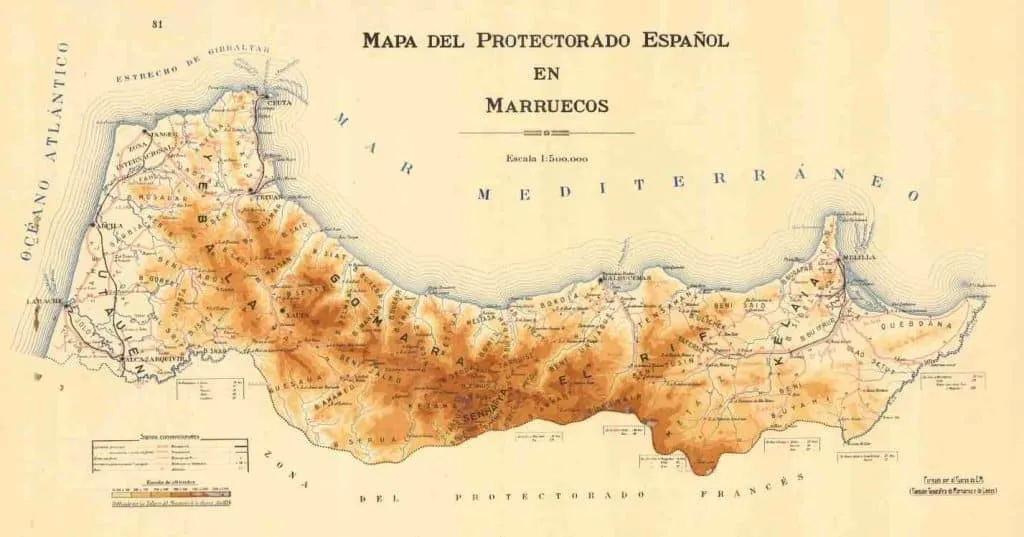
The conversation shifted to the implications of past military operations in Africa, particularly the disastrous outcomes stemming from poorly planned expeditions. The uncle lamented the lack of preparedness and resources provided to troops, leading to catastrophic losses. He recounted the dire state of the military during the conflicts, where soldiers were sent into battle with insufficient equipment and morale, highlighting the disconnect between the government and the armed forces. The tragic outcomes of these military endeavors catalyzed widespread calls for political accountability, culminating in the appointment of General Picasso to investigate the Melilla incidents, a move that was fraught with political implications.
As the uncle shared his insights, he pointed to the political maneuvering that followed, including the declaration of dictatorship by General Primo de Rivera, which silenced discussions surrounding military accountability and buried the truth of the failures that led to such tragedies. This pattern of deflection, he argued, had been a recurring theme in Spanish history, where those in power often escaped culpability by scapegoating the military, a cycle that continued to shape the nation's political landscape.
With a sense of resignation, the uncle concluded his thoughts, emphasizing the need for reflection and accountability in the face of historical injustices. His words hung heavily in the air, a reminder of the complexities of war, politics, and familial ties. As he took a sip of water, the conversation lingered, a testament to the enduring impact of history on personal lives and collective memory.
As reported by zendalibros.com.