Severe Decline in Morocco's Real Estate Market
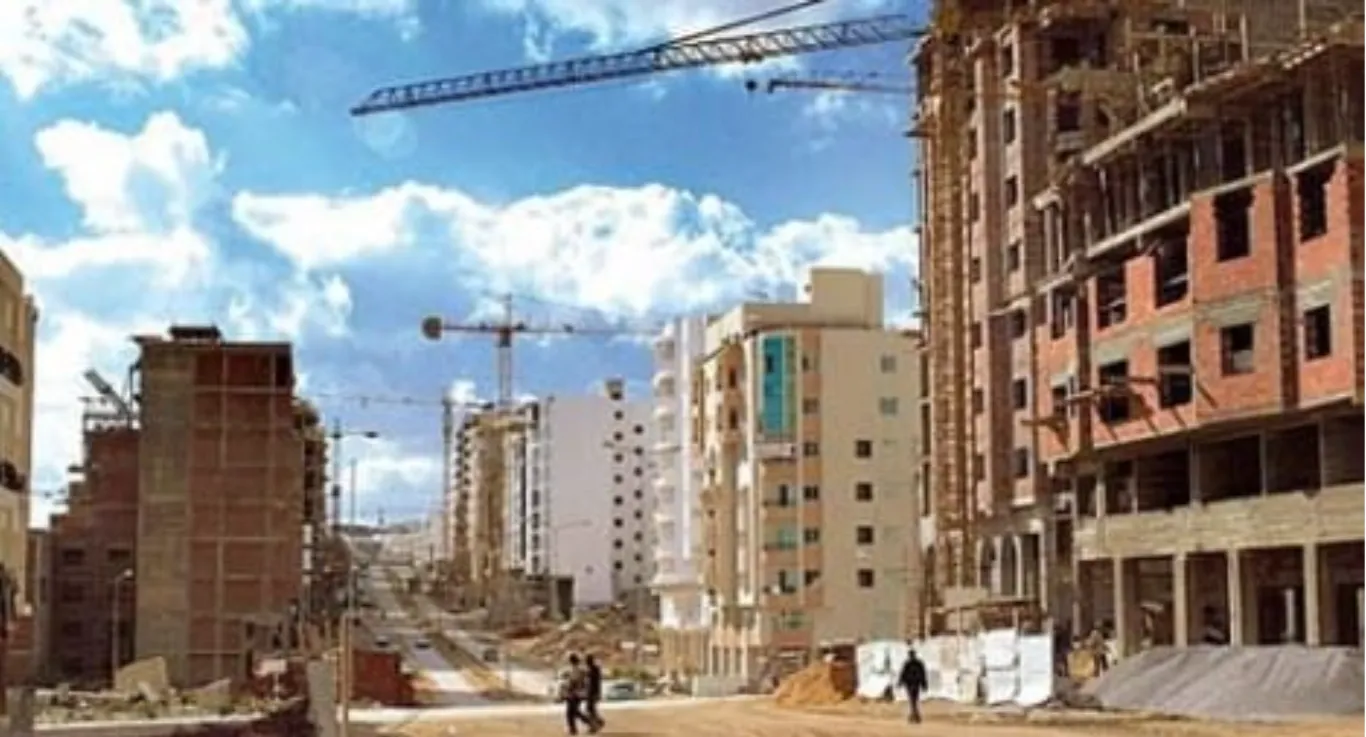
The real estate market in Morocco is currently grappling with one of its most challenging periods in recent years, as evidenced by a staggering decline in sales transactions, which have plummeted by nearly 40% over the past two years. This alarming trend is corroborated by official data from Bank Al-Maghrib and the National Agency for Land Conservation, Cadastre and Cartography, highlighting the profound crisis affecting various facets of the sector. The persistent downward trajectory in real estate transactions spans across the nation, impacting residential properties, land, and commercial establishments alike.
According to the data, the capital city of Rabat has experienced the most significant downturn, with sales dropping by 55.4%. Following closely are Marrakech with a 43.3% decrease, and Casablanca with a 37.8% decline. This downturn has had immediate repercussions on the construction sector and its associated professions, raising concerns among industry professionals and experts.
Factors Contributing to the Crisis
Industry insiders attribute this stagnation to a confluence of factors, including complex administrative processes, prolonged timelines for obtaining construction permits, and a limited supply of land. Rising land prices, particularly in major urban centers, have further escalated investment costs, deterring potential buyers from entering the market. Additionally, tax increases imposed on undeveloped urban land have significantly raised the expenses associated with real estate projects, ultimately leading to higher sale prices at a time when citizens are already facing soaring living costs and escalating prices of construction materials.
New regulatory restrictions have exacerbated fears within the sector, particularly the decision to prohibit the construction of small apartments under 60 square meters in both Rabat and Casablanca. This measure is part of efforts to curb speculation related to short-term rentals, especially in anticipation of the upcoming World Cup in 2030. In light of these challenges, experts are voicing urgent warnings about the potential ramifications of continued stagnation on investment and employment. They are calling on the government to implement emergency measures that would stimulate the market, simplify administrative procedures, and create conditions that could restore confidence in a sector that serves as a vital engine for the national economy.
As reported by expresstv.ma.