Rabat: A Hub for Literary Celebration in 2026
Rabat, which has been designated as the World Capital of Books for 2026 by UNESCO, is set to host an impressive array of 342 activities starting April 24. This initiative features a diverse range of events including literary cafés, mobile libraries, and engaging sessions in hospitals, train stations, and parks, effectively bringing literature out of traditional confines and into the daily lives of citizens. This year-long celebration aims not only to promote reading but also to highlight the publishing industry and the wealth of knowledge that Rabat has to offer, all within a city rich in history and cultural dynamism.
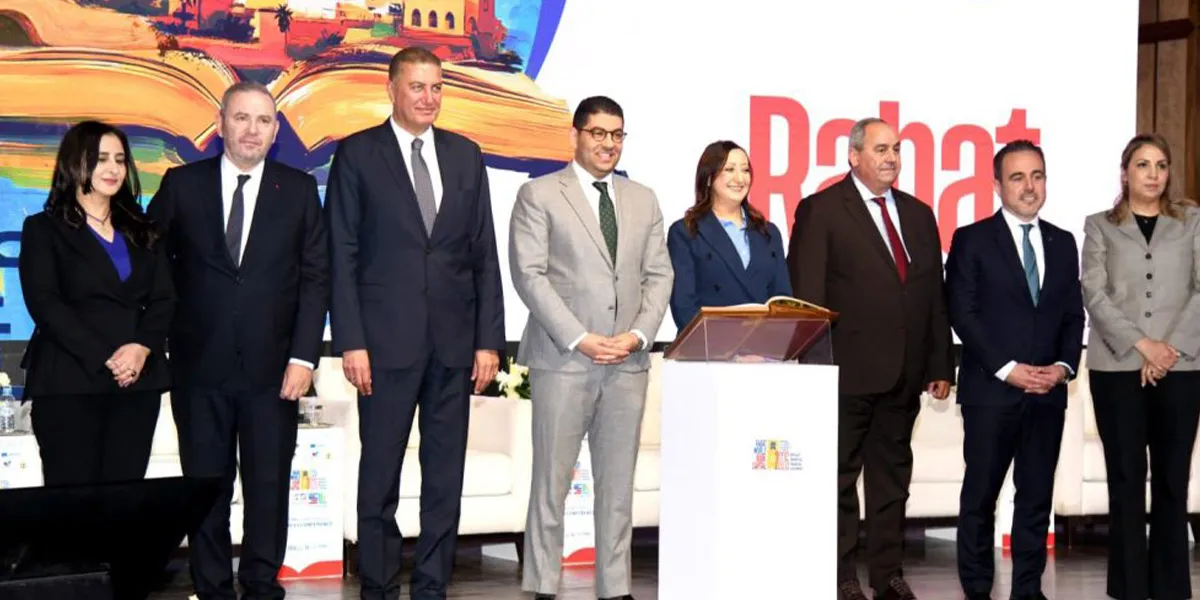
Beginning on April 24, Rabat will transform into a vibrant agora of books and knowledge, succeeding Rio de Janeiro in this prestigious designation. The ambitious program encompasses twelve strategic areas aimed at fostering a love for reading, breaking down the barriers between books and the community, and stimulating the cultural industry in the region. During a press conference held in Rabat, Latifa Moftaqir, the commissioner for the "Rabat World Capital of Books" program, elaborated on the eclectic programming that includes open events dedicated to reading, literary cafés, public awareness campaigns, exhibitions, mobile libraries, literary residencies, professional conferences, training sessions, and workshops.
Engaging the Community with Literature
The uniqueness of this initiative lies in its commitment to make literature accessible by engaging with citizens in their everyday environments. Planned activities will take place in various public spaces, including hospitals, rehabilitation centers, orphanages, youth centers, as well as common areas such as bus stations, public transport hubs, and parks. This outreach strategy is designed to cultivate an inclusive atmosphere where literature becomes a shared experience among diverse groups within the community.
Rabat's designation as the World Capital of Books is supported by robust historical, cognitive, and cultural criteria. The city has maintained a long-standing relationship with literature and knowledge transmission, evidenced by its historical mosques, libraries, and modern institutions including universities, cultural centers, and an active civil society. The local book industry is also thriving, with Rabat hosting 54 publishing houses and a growing number of independent bookstores. This vitality played a crucial role in UNESCO's decision, alongside the city’s commitment to literacy, education, and the empowerment of women and youth, not to mention its status as a UNESCO World Heritage site since 2012.
The organization and execution of these activities will see the involvement of numerous stakeholders, including the Ministry of Youth, Culture, and Communication, the Rabat-Salé-Kénitra region, the Rabat municipality, alongside national departments and institutions. UNESCO, ICESCO, various international bodies, diplomatic missions, and civil society organizations are also key participants. The overarching goal is to create an inclusive celebration that places "the human experience at the heart of the cultural landscape" and promotes interaction with cultural products as a means for human development, as articulated by Latifa Moftaqir.
As reported by leseco.ma.