Rabat's Aspirations as the World Capital of Books
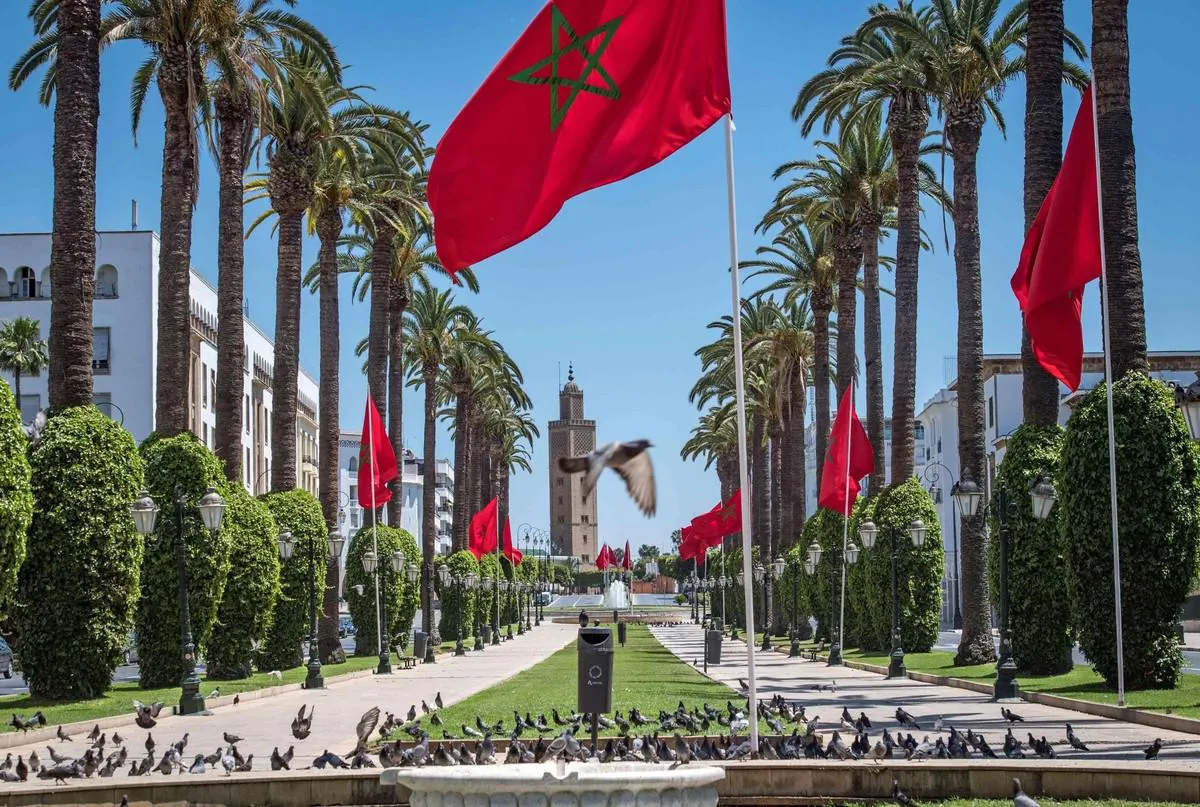
Rabat's distinction as the World Capital of Books for 2026, awarded by UNESCO, represents a significant cultural ambition and a platform for international visibility. However, this accolade also raises a crucial question: what will remain of this recognition once the year concludes? The honor is not merely a trophy; it embodies a commitment to making literature accessible and relevant, especially for the youth, and to ensuring that previously marginalized areas engage in cultural dynamics. It is essential to recognize the weight of this accolade, as it not only brings pride to Morocco's capital but also provides a unique opportunity to place reading at the forefront of public life in an era dominated by instant digital consumption.
Turning Ambitions into Reality
To truly gauge the impact of being designated a World Capital of Books, one must look beyond promotional campaigns and events. The experiences of other cities, such as Bogotá in 2007, highlight the importance of transforming the reading landscape. Bogotá successfully established a comprehensive public reading network, building libraries in underserved neighborhoods and integrating literary culture into everyday life. This was achieved by removing barriers to book access, transforming them into community hubs rather than just places for reading. The aim was to weave literature into the fabric of daily existence, offering new possibilities in a context often marked by inequality and violence.
Rabat currently stands at a crossroads, challenged by the gap between ambitious cultural objectives and the realities of reading practices. For many, reading is still viewed primarily as an academic obligation rather than a voluntary pursuit. Furthermore, the high cost of books, often equivalent to several hours of labor, pushes literature into a niche market, inaccessible to many. Structural issues like limited access to bookstores and libraries only exacerbate the situation. In urban areas, independent bookstores are fading from the scene, often replaced by newsstands that lack a focus on fostering a genuine literary culture.
Addressing these challenges requires a commitment to making literature a social infrastructure, ensuring that books circulate where they are needed most. Initiatives such as mobile libraries, community outreach programs, and partnerships with local organizations and schools are vital. Moreover, it is essential to prioritize Moroccan literature in educational curricula, fostering a connection between students and their literary heritage. The entire book ecosystem, including authors, publishers, booksellers, and distributors, must receive support to thrive beyond the constraints of dominant market mechanisms.
This ongoing reflection on contemporary access to literature must be contextualized within Morocco's rich historical legacy of libraries. From the historical libraries of Smara and Tamegroute to the lesser-known gems nestled in the Atlas Mountains, these institutions represent an invaluable cultural heritage. Yet, much of this legacy remains fragmented, requiring efforts to restore and catalog these treasures. The essence of literature encapsulates the past, present, and a readable future—an enduring library, a vibrant community reading space, and a child exploring the joy of reading without constraints.
As reported by fr.le360.ma.