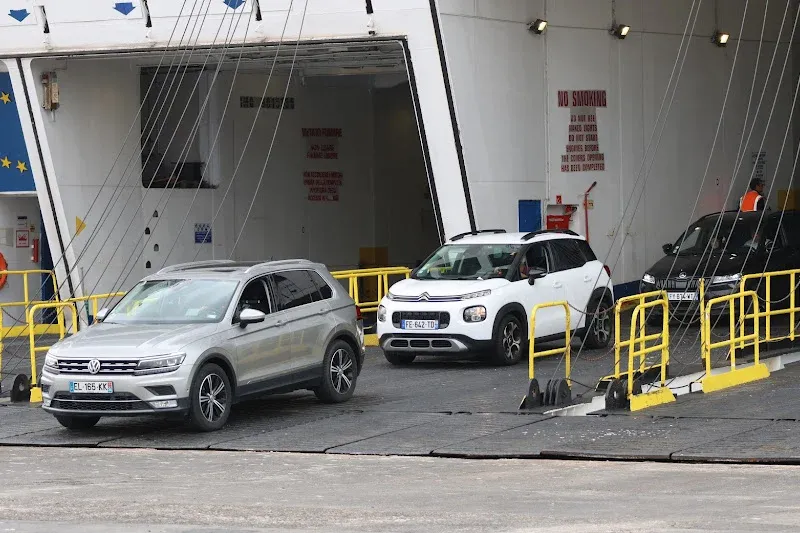
In the wake of recent disruptions in maritime traffic between the Tarifa port and Tangier city port, normalcy has returned, albeit with a limited flow of Moroccans residing in European countries. According to official data obtained by Hespress from reliable sources, port authorities, in collaboration with various stakeholders involved in the management of the 'Marhaba 2026' operation, have commenced meetings to address observations noted during last year's reception of Moroccan expatriates and to explore ways to improve the process.
The same sources indicate that the return of Moroccans living abroad remains "low" at this stage, viewing this period as a preparatory phase for the peak that begins in late June and early July, when significant numbers of Moroccans typically return to their homeland. Furthermore, Hespress sources have reported that intensive preparations are underway at ports and airports in anticipation of an extraordinary influx this year; forecasts suggest that more than 3.5 million Moroccan migrants will travel from Spain to Morocco, along with around 800,000 vehicles.
It is noteworthy that the 'Marhaba 2026' operation is receiving special attention from King Mohammed VI. The initiative, launched by the Mohammed V Foundation for Solidarity on June 10, is aimed at welcoming Moroccans living abroad, following the monarch's directives. The Foundation, which plays a crucial role in executing this operation alongside all relevant partners, has activated a comprehensive reception system that operates simultaneously in Morocco, France, Spain, and Italy, starting from midnight on Wednesday to Thursday.
The 'Marhaba 2026' operation is distinguished by an enhanced system that has been reinforced since the previous edition, featuring a network of 26 reception areas both within Morocco and abroad. This ensures a local presence close to Moroccan expatriates at key transit points they utilize during their travels. In Morocco alone, 20 centers are operational, located at the ports of Tangier Med, Tangier city, Al Hoceima, Nador Ben Nassar, as well as at airports including Casablanca Mohammed V, Rabat Salé, Oujda Angad, Nador Al Aroui, Agadir Al Massira, Fes Saïs, Marrakech Menara, Tangier Ibn Battouta, Laayoune Hassan I, and Dakhla. Additionally, rest areas at Tangier Med, Jabha, Tazaghine, and Smir in Mdiq, along with the crossings at Bab Sebta and Melilla, are also part of this extensive network.
As reported by hespress.com.