Massive Security Measures for France vs. Morocco Football Match
On a vibrant football night in Paris, the city saw an overwhelming police presence, with an astonishing 20,000 officers and gendarmes deployed to maintain order as thousands of fans took to the famous Champs-Élysées to celebrate. This meticulously planned operation was a response to the previous unrest that marred the Champions League Final just months earlier, prompting authorities to act decisively to prevent similar scenes during the anticipated match between France and Morocco. With over two million individuals of Moroccan descent residing in France, the stakes were high. The police force was bolstered by military support, ensuring safety amidst a backdrop of expected football euphoria and persistent terror threats.
Enhanced Precautions and Community Spirit
As the afternoon unfolded, the atmosphere along the Champs-Élysées transformed significantly. Water cannons and police vehicles lined the streets, while officers donned helmets and protective vests, equipped with riot gear, tear gas, and rubber bullets to handle any potential disturbances. Notably, police personnel fluent in Arabic and Berber were on hand to facilitate communication with the diverse crowd, ensuring respectful and effective interactions during the celebrations. In anticipation of potential hazards, the local prefecture issued several prohibitions, including a ban on fireworks and pepper spray, while minors were prohibited from being in public spaces unaccompanied after midnight.
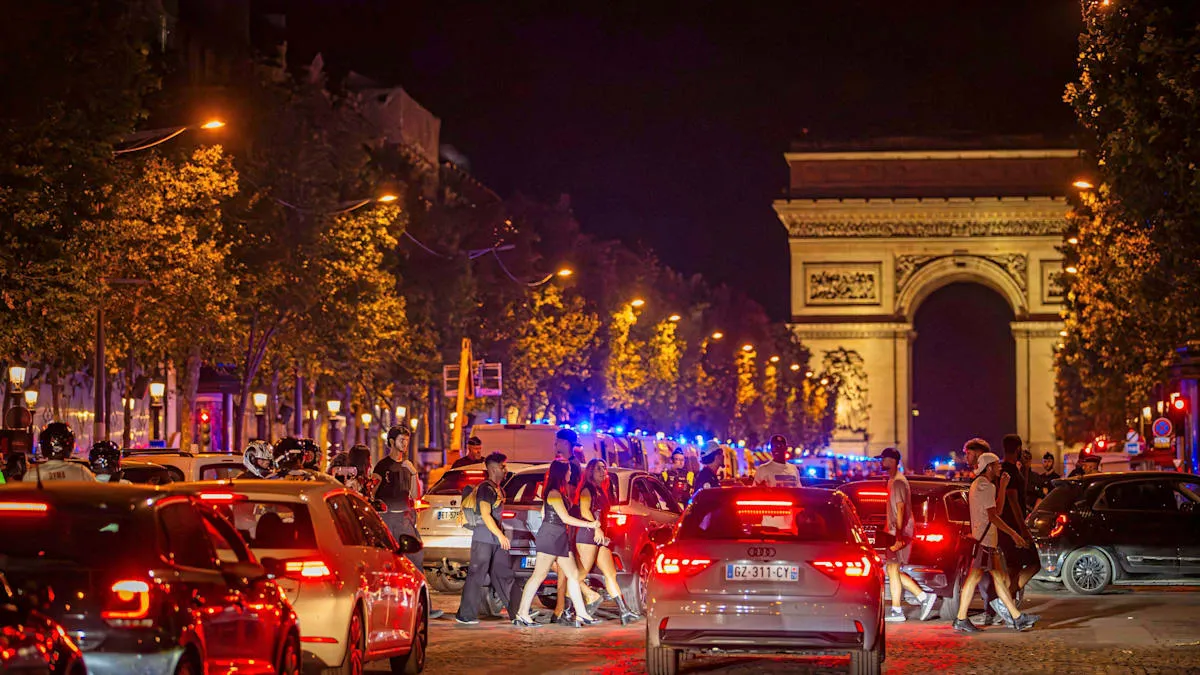
In addition to law enforcement measures, luxury retailers along the Champs-Élysées proactively secured their storefronts with wooden boards and metal barriers, reflecting the lessons learned from past incidents where businesses suffered damage or looting following football matches. Just before 10 PM, police cordoned off the area surrounding the Arc de Triomphe to prevent public access, creating a designated zone for celebrations while maintaining strict boundaries. Vehicles were instructed to remain inside, and metal barriers were installed to separate pedestrians and cars, enhancing crowd control.
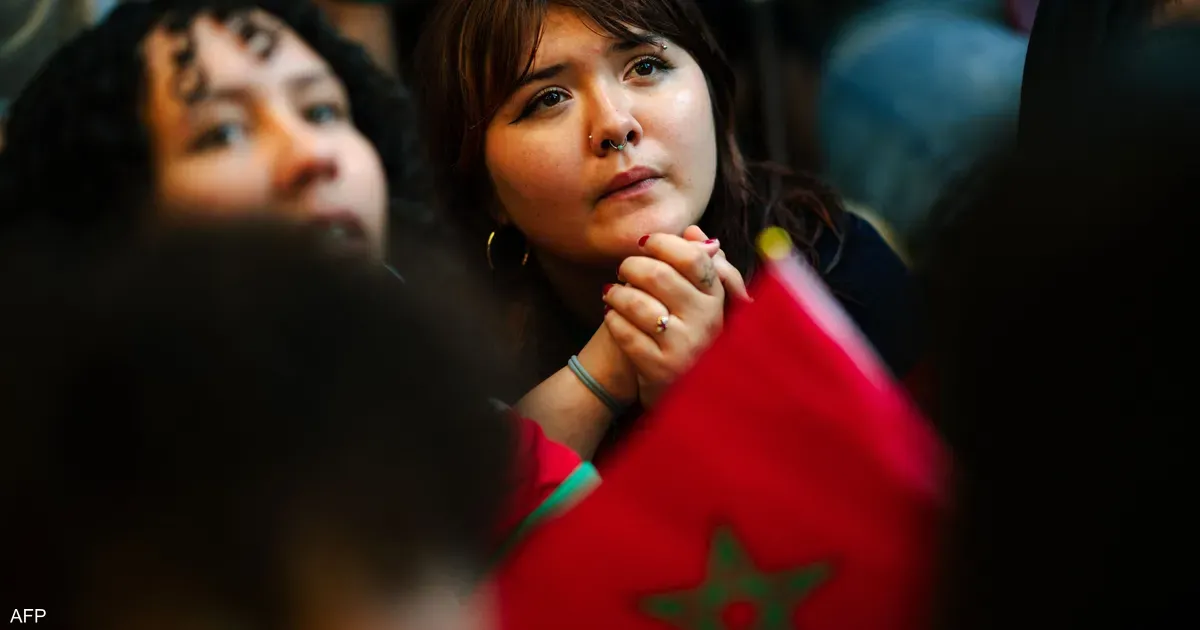
As the final whistle blew, the tension that had permeated the night dissolved instantly. Cafés and restaurants erupted with excitement as patrons, predominantly youth, leapt from their seats, dishes crashing to the floor amidst joyous hugs and flag displays. Waitstaff scrambled to restore order, but the thrill of the moment compelled many to rush outside to join the festivities. A procession of vehicles, from luxury cars to motorcycles, cruised the Champs-Élysées, draped in flags and filled with celebratory voices, creating an exhilarating atmosphere. A young woman proudly waved a Moroccan flag from a car window, exclaiming that they were all united, regardless of their origins.
While the overall mood remained peaceful, police intervention was necessary at times, particularly when motorcyclists sped recklessly through the congested streets. Officers stepped onto the road to halt individual drivers for checks. One notable incident involved a young man who resisted a search, prompting several officers to surround him and escort him to a patrol car while onlookers recorded the event on their phones. Meanwhile, the police presence extended beyond the Champs-Élysées, with around a hundred officers stationed around the Place du Trocadéro, ready to respond if needed.
The celebratory car parades continued well past midnight, and, unlike previous football nights, the evening concluded without violence, underscoring that Paris has indeed learned from its past mistakes.
As reported by welt.de.