The relationship between Spain and Morocco has been a focal point of discussion among Spanish politicians, especially those from the Socialist Party, who publicly celebrate the strong bond that exists between the two nations, often referring to Morocco as a "strategic partner." However, the nuanced and sensitive aspects of this relationship, as well as Morocco's internal issues, are typically overlooked in discussions held by institutions or think tanks associated with the Ministry of Foreign Affairs, such as Casa Árabe, the Real Instituto Elcano in Madrid, or the Instituto Europeo del Mediterráneo in Barcelona.
In the National Security Strategy crafted in La Moncloa, there is a clear warning regarding the multifaceted challenges posed by Russia and China to Spain, the latter of which has seen increased diplomatic attention from Spanish Prime Minister Pedro Sánchez, who has made four visits to the country since 2023. Notably absent from this dialogue, however, is any mention of Morocco as a potential threat to its northern neighbor, despite the growing complexities of their relationship.
Beneath the surface of public diplomacy, a significant sector within Spain is acutely aware of the developments south of the Strait of Gibraltar, with agencies such as the Defense Staff and the National Intelligence Center actively studying and debating the situation. In fact, as revealed by Commissioner Enrique García Castaño in a 2017 WhatsApp conversation, Spanish intelligence has a dedicated department solely for monitoring Moroccan affairs. However, insights from military analyses and intelligence reports regarding how to address Moroccan challenges rarely see the light of day, surfacing mainly through leaks to the press, as was the case in June 2022 when El País published excerpts from three CNI reports detailing Morocco's push of over 10,000 migrants into Ceuta in May 2021.
Following this incident, the Spanish government, represented by Iván Redondo, the then director of Pedro Sánchez's cabinet, announced in Congress the urgent drafting of a Comprehensive Security Plan for the two autonomous cities, a plan that remains unfulfilled to this day. Five years after this migratory crisis, Morocco has emerged emboldened, having developed a privileged relationship with the United States and Israel, and making significant headway in its claims over Western Sahara. At the behest of the State Department, the UN Security Council approved a resolution in October that positions Morocco's autonomy plan for Western Sahara as the basis for negotiations with the Polisario Front.
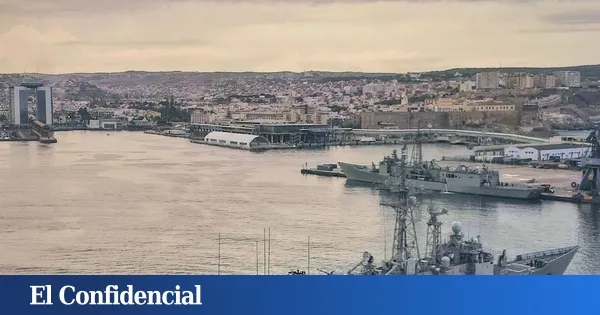
In recognition of the evolving challenges posed by a more assertive Morocco, the Spanish Institute for Strategic Studies (IEEE) dedicated its 260-page Strategy Notebook in late March to emphasize that Spain's defense concerns extend beyond its land borders, particularly focusing on the ports of Ceuta and Melilla. The analysis presented in the IEEE's Strategy Notebook showcases the convergence of perspectives from high-ranking military officials and academics, highlighting that Ceuta and Melilla face significant trade barriers due to the ineffective functioning of customs on their Moroccan borders.
The Spanish Foreign Minister, José Manuel Albares, has referred to the reopening of these customs in February 2025 as a "historic milestone," but the text underscores the military pressure in the Strait of Gibraltar, noting that defense spending by Algeria and Morocco continues to rise year after year. Nicoletta González-Cancelas from the Polytechnic University of Madrid points out that the ports of Ceuta and Melilla represent an exception within Spain's port system, given their critical role in national security, territorial sovereignty, and the state's external projection. However, they are also triply vulnerable due to their total dependence on maritime transportation for defense, the ongoing migratory pressure as a hybrid threat, and a significant cybersecurity protection deficit.
This reality necessitates the formulation of a "specific national strategy for border enclaves and their ports," which would involve their integration into major state investment, innovation, and cybersecurity programs for critical infrastructures. Additionally, the establishment of permanent institutional cooperation protocols involving port authorities, defense and security agencies, and civil authorities is crucial. Furthermore, it is essential to incorporate these enclaves into international maritime security forums.
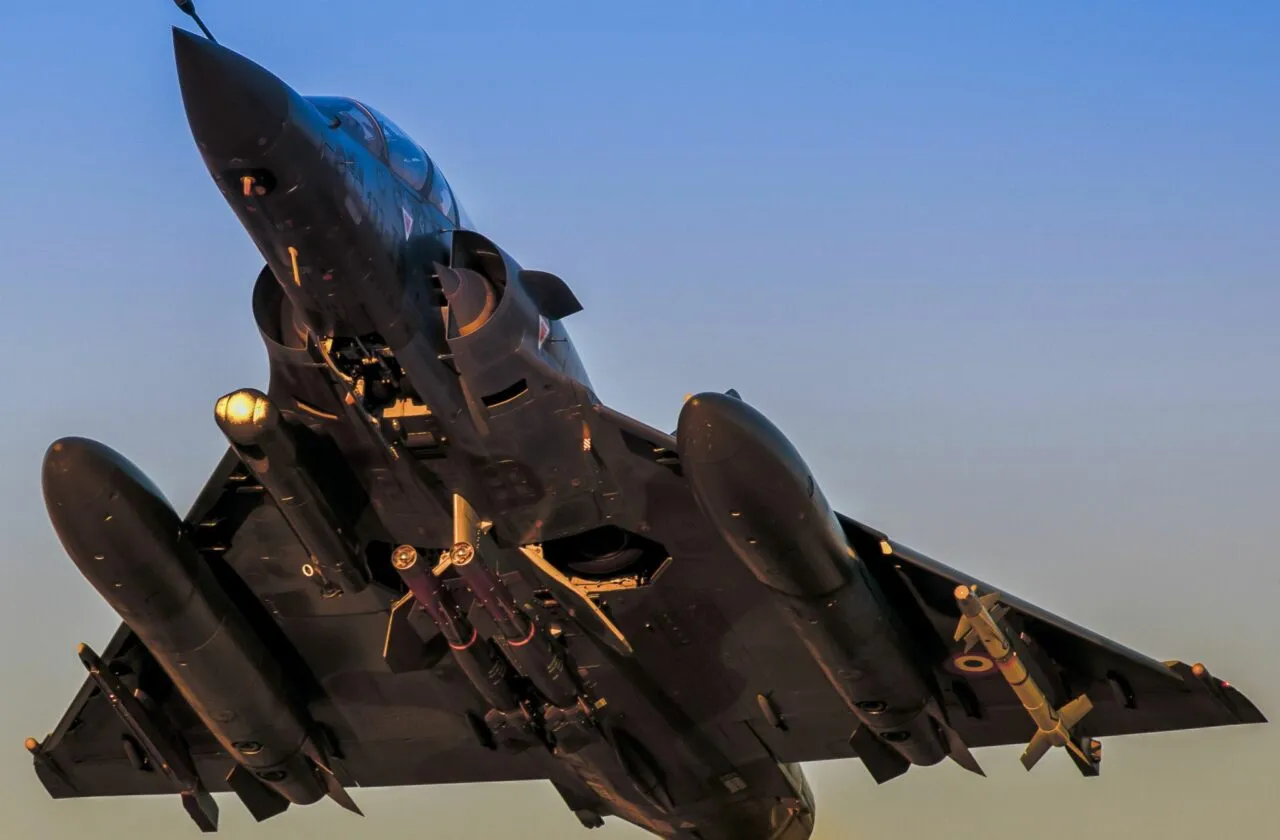
As hybrid threats could evolve into more conventional challenges, Lieutenant General Ramón Armada Vázquez argues for the development of a conventional defense plan that involves coordinated action among various military components: land, air, space, maritime, and cyber. The ground forces would be tasked with defending the territory using intelligence-gathering resources, anti-aircraft systems, cyber defense, and electronic warfare capabilities, alongside direct artillery fire, missiles, armed drones, and units deployed to thwart amphibious landings, infiltrations, or ground attacks.
Outside of the Ministry of Defense's publications, Spanish military personnel are even more direct in their assessments. Captain Augusto Conte states in the latest edition of the magazine "Ejércitos" that Morocco operates under a "gray zone logic." This strategy does not seek an outright confrontation with Spain but rather aims to gradually alter the status quo through sustained pressure, legal ambiguity, increasing political costs, and exploitation of structural vulnerabilities. In facing this pressure, Spain has managed these territories with a blend of declarative firmness and pragmatic concessions to Rabat. However, the author warns that Spain's preparedness in Ceuta and Melilla is inadequate across military, economic, and political dimensions.
Alongside the migratory shocks and economic stranglehold affecting the two cities, Morocco is advancing a state project that bolsters the ports of Tangier Med and Nador West Med. Remarkably, the new Tangier port surpassed the traffic of Spanish ports Algeciras and Valencia combined last year, illustrating Morocco's growing influence. These port developments are seen as strategic moves to reinforce Morocco's territorial claims in the Strait, with the intention of suffocating the economic growth of these Spanish autonomous cities, thereby creating dependency.
In light of this significant port challenge in the Strait, Gerardo Landaluce, president of the port of Algeciras, emphasizes that Spain must respond with a strategic vision that articulates shared economic interests and ensures that the northern shore does not fall behind. This is a formidable task, as Morocco enjoys advantages such as lower environmental requirements and labor costs, giving it a competitive edge in this ongoing maritime race.
As reported by elconfidencial.com.