Europe's Growing Drought Crisis
The issue of drought in Europe has escalated to a level where it can no longer be dismissed as merely an occasional occurrence, as evidenced by the alarming reports emanating from major capitals like Brussels and various European nations. Recent climate assessments have revealed a significant structural change in the Mediterranean region, with water availability diminishing, soil degradation becoming more prevalent, and the pressures exerted on both rural and urban landscapes intensifying year after year. Countries such as Spain have endured prolonged periods of water stress, particularly in vital river basins, while Italy oscillates between extreme weather conditions, witnessing floods that swiftly transition into water restrictions. In Greece, the dependence on tankers for water supply has necessitated the formulation of emergency plans on numerous islands, and France has begun to sound the alarm over water shortages in areas traditionally considered lush and rainy.
The European Environment Agency has underscored the gravity of the situation, indicating that southern Europe is approaching a reality where the availability of running water cannot be taken for granted. This crisis is not solely a consequence of diminished rainfall; it is compounded by rising temperatures, increased evaporation rates, and soaring demand driven by intensive agricultural practices and burgeoning tourism sectors. Water stress has thus emerged as a pressing issue, overshadowing concerns related to energy crises and fluctuating food prices.
Morocco's Resilience and Strategic Water Management
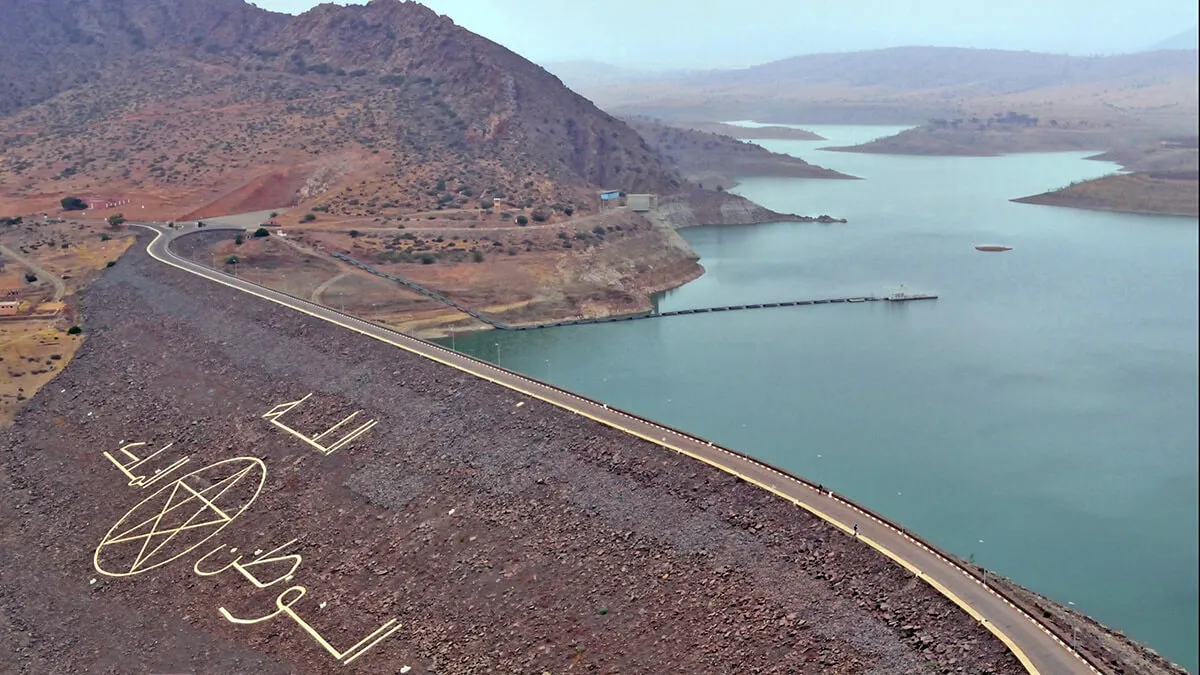
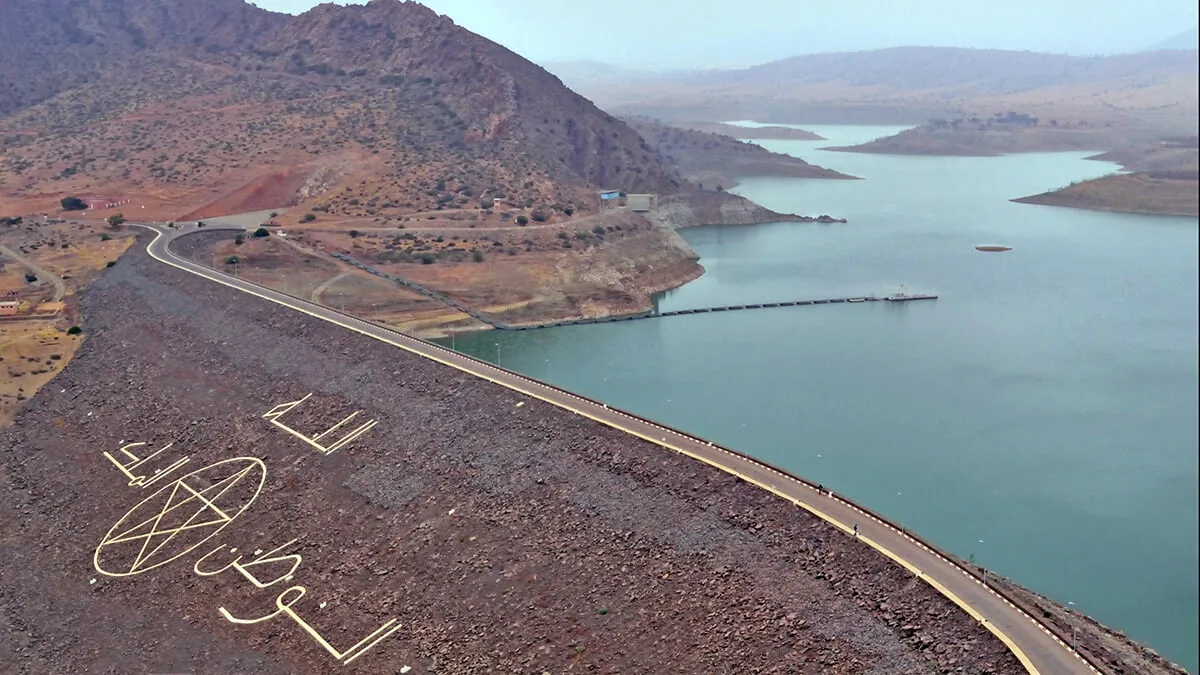
Contrasting sharply with the dire circumstances in Europe, Morocco has demonstrated remarkable resilience in its water management strategies, achieving an impressive reservoir capacity of nearly 75% despite enduring one of the most severe droughts in its recent history. This success story is rooted in the nation's proactive response to a critical situation that previously led to severe restrictions in urban areas and sparked debates surrounding the sustainability of its water-intensive agricultural model. Recognizing the imminent challenges posed by climate change, the Moroccan government has leveraged the lessons learned during lean years to enhance its water infrastructure significantly.
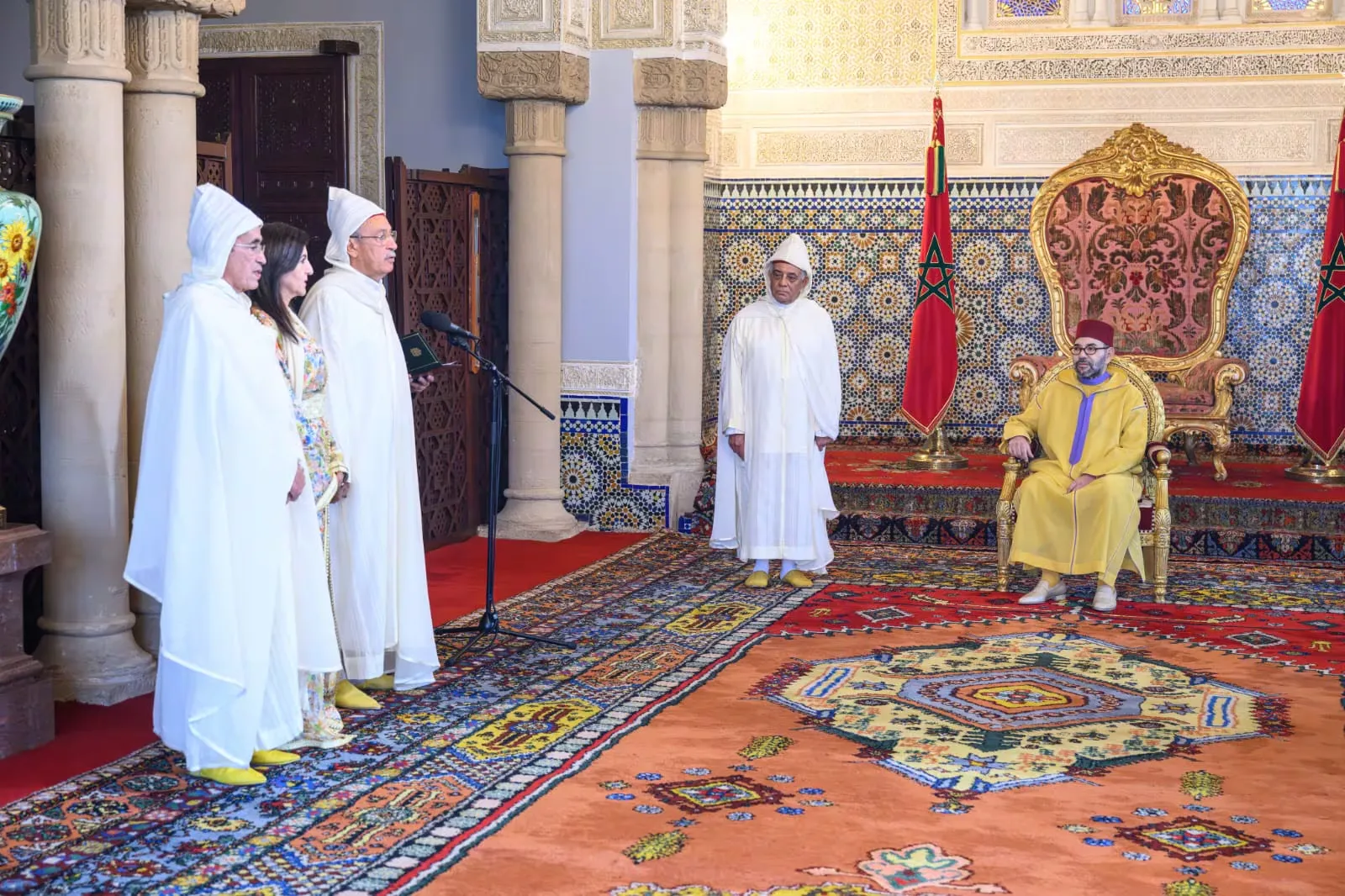
Morocco's strategic approach encompasses three primary aspects: the construction of new reservoirs, the development of desalination facilities, and the establishment of water transfer systems that connect water-rich basins with drier regions. This multifaceted plan not only addresses immediate water scarcity but also aims to correct regional disparities in water distribution. Furthermore, the modernization of irrigation techniques within the agricultural sector has facilitated more sustainable practices, particularly in light of climate change's impact on food production. Under the leadership of King Mohammed VI, water management is prioritized as a national security concern, emphasizing the need for infrastructure that can withstand the unpredictability of climate patterns.
The contrast between Morocco's proactive water policies and the reactive measures often seen in southern European countries has sparked discussions among experts and policymakers. While southern Europe grapples with emergency decrees to mitigate water shortages, Morocco stands as a model for effective water management, showcasing the importance of strategic planning in addressing water scarcity. Although Morocco's achievements cannot be directly replicated in Europe due to differing economic, geographical, and social contexts, they illuminate critical lessons regarding long-term water management and the necessity of integrating water scarcity into national planning. As water becomes an increasingly unstable resource, the Moroccan experience serves as a pertinent reminder of the pressing need for innovative and strategic approaches to water management across the Mediterranean region.
As reported by atalayar.com.