Exploring Rhetoric and Narrative in Modern Literature
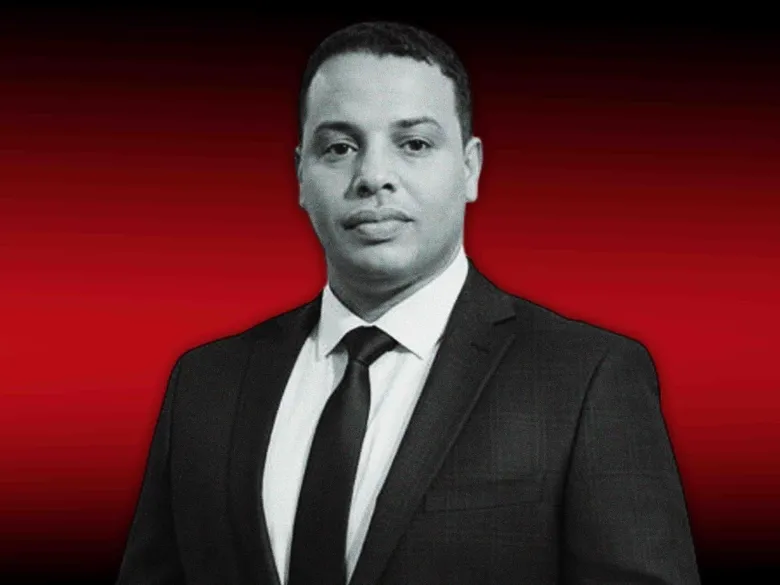
Renowned Moroccan scholar Mustapha Rajwan has recently been honored with the Sheikh Zayed Book Award in the Young Author category for his latest publication, Plots and Characters: The Rhetorical-Argumentative Approach to the Arabic Novel. This accolade highlights Rajwan's significant contributions to the fields of rhetoric, narrative, and poetics, a journey that has spanned nearly a decade across ten books. His scholarly work delves into the intricate ways texts persuade, evoke imagination, and generate meaning, drawing inspiration from the foundational thoughts of ancient Greek philosophers such as Plato, Socrates, and Aristotle.
In his latest work, Rajwan articulates a fresh perspective on the 'rhetoric of narrative', distancing it from traditional classifications of classical Arabic or Aristotelian rhetoric. Instead of merely focusing on elements like conciseness or metaphor, he advocates for a comprehensive approach that considers the interplay between various narrative components, including characters, perspectives, and the overarching narrative vision. While classical narratology often emphasizes a singular element—be it the text, the author, or the reader—Rajwan's rhetorical approach examines how these elements interact within the narrative framework, ultimately aiming to engage and influence the reader in profound ways.
Bridging Traditions: Arabic Rhetoric and Western Thought
Rajwan's scholarly endeavors are not merely academic; they form part of a broader research project centered on interpretation and understanding. His ambition is to cultivate a discourse that breathes new life into texts, allowing them to resonate with contemporary audiences while remaining anchored in their historical contexts. He believes that the act of interpretation is crucial, asserting that every reading should be an interpretive one, imbued with the vigor of inquiry and the desire to uncover deeper meanings.
In discussing the relationship between Arabic rhetoric and Western critical thought, Rajwan acknowledges the rich tradition that has influenced narrative theory. He traces the roots of narrative rhetoric back to early literary criticism, beginning with the philosophical inquiries of Plato and Aristotle. The evolution of this discourse continued through the works of influential theorists like Wayne Booth and Seymour Chatman, who helped solidify the rhetorical approach in narrative studies. Rajwan emphasizes that contemporary Arabic rhetoric possesses its own unique vitality, one that is not diminished by the past but rather revitalized through a dialogue with historical works, allowing for a dynamic exchange between old and new ideas.
As Rajwan prepares to release another book within this ongoing project, he remains committed to fostering a critical environment that embraces both innovation and tradition. He recognizes the importance of developing tools that serve the text rather than constrain it, advocating for a nuanced understanding of poetic and narrative forms that respects their inherent complexity. The Moroccan literary scene, characterized by its rich critical heritage and intellectual rigor, continues to produce thinkers who are unafraid to engage with both local and global discourses, ensuring that Arabic rhetoric remains a vibrant and evolving field.
As reported by en.majalla.com.