Transforming Water Management: Morocco's Interconnection Strategy
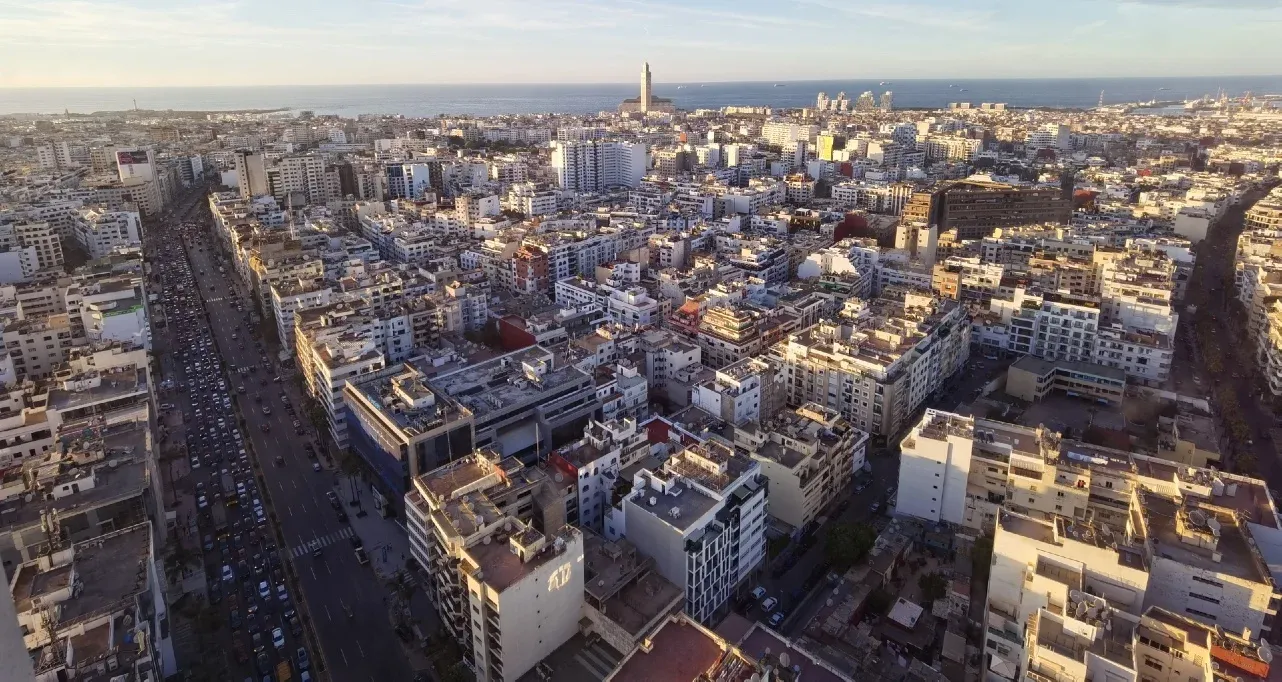
With 18 operational water transfer projects, Morocco is prioritizing the interconnection of its water basins as a crucial component of its water resource management strategy. The initial phase of this initiative involved the connection between the Sebou and Bouregreg basins, which enabled the transfer of approximately 953 million cubic meters of water from August 2023 to December 2025. This development, as stated by Nizar Baraka, the Minister of Equipment and Water, is vital for ensuring a stable water supply for the Rabat-Casablanca corridor.
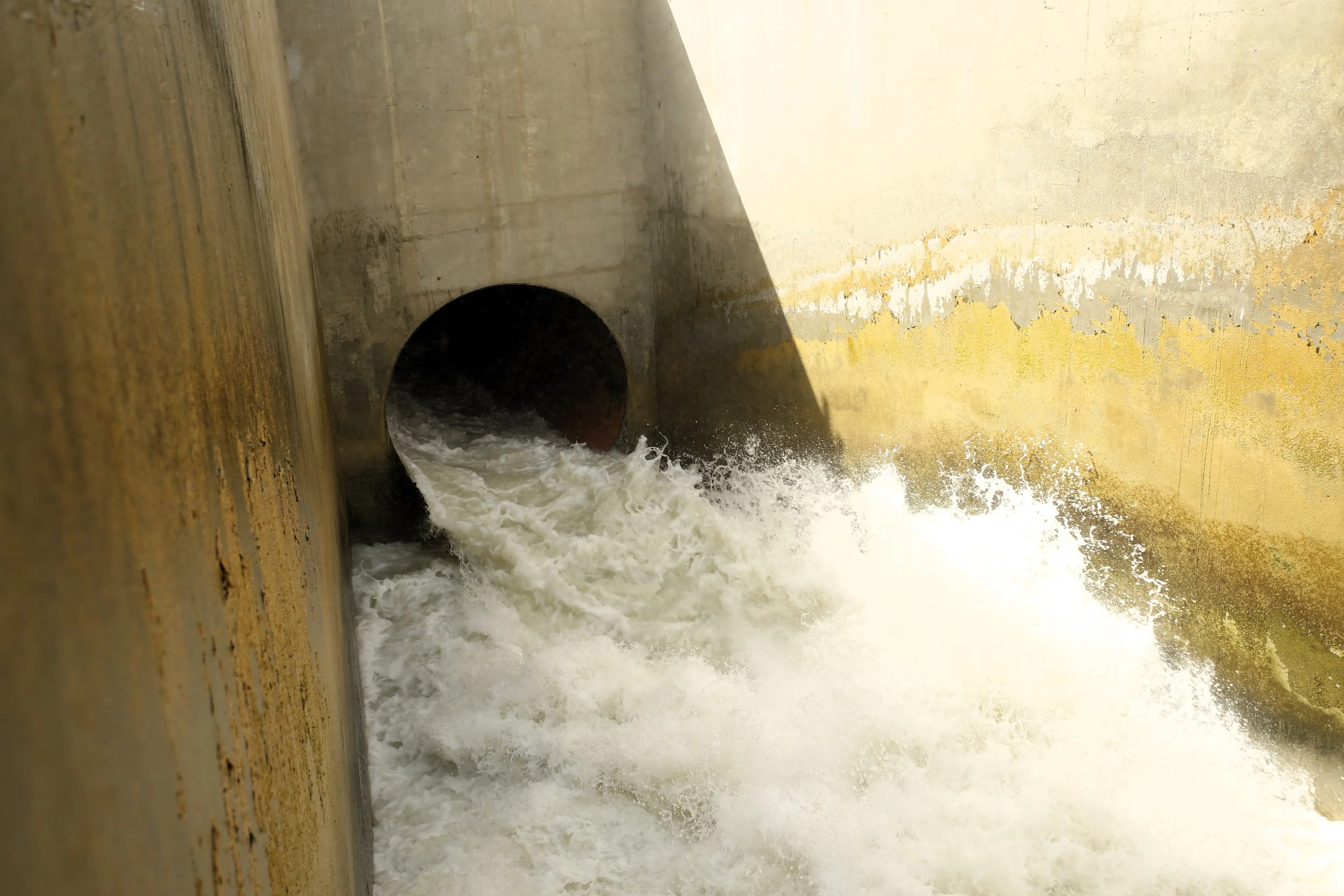
This urgent project, executed between late 2022 and August 2023, boasts a flow rate of 15 cubic meters per second and required an investment of around 6 billion dirhams. Minister Baraka emphasized that this project marks the first step in a broader framework often referred to as the "water highway," intended to link multiple hydraulic basins in the northern and central regions of the country.
The subsequent phase of the water transfer project will extend the Sebou-Bouregreg connection to the Oum Er-Rbia basin, with plans to initiate this phase by the end of 2026. This new infrastructure, stretching approximately 210 kilometers, is expected to operate at a flow rate between 30 and 45 cubic meters per second, facilitating the transfer of an estimated 1.2 billion cubic meters annually. The third planned phase involves establishing a connection between the Laou-Loukkos-Sebou basins, which aims to enhance the interconnection of hydraulic basins in the northern regions and ultimately facilitate the transfer of another 1.2 billion cubic meters of water each year, ensuring access to potable water and supporting the irrigation of various agricultural areas, particularly in Doukkala, Chaouia, and Tadla.
Addressing Hydraulic Imbalances for Sustainable Water Management
In line with these developments, two new tenders have been initiated to explore the interconnection of several dams and sub-basins, each valued at 1.02 million dirhams. The first contract focuses on connecting the Sahla and Bouhouda dams, while the second targets the sub-basins of the Ouergha, Oued Lben, and Oued Inaouen within the Sebou basin.
The Sahla-Bouhouda study aims to rectify a well-documented hydrological imbalance. The Sahla Dam possesses substantial storage capacity relative to its annual liquid inflow, whereas the Bouhouda Dam experiences significantly higher inflows than its current capacity, leading to frequent discharges during wet periods. Currently, these volumes are being captured downstream at the Al Wahda dam but do not contribute to local storage optimization. Plans are also underway to elevate the Bouhouda dam, which will need to be integrated into comprehensive analysis and simulation efforts.
This study will assess the hydrological, technical, and economic feasibility of interconnecting the two dams while considering the current situation, the future elevation of Bouhouda, and the anticipated impacts of climate change on future inflows. Two main components will guide this assessment. The first will involve hydrological analysis and system modeling, encompassing the collection and validation of historical inflow data, stored volumes, elevation-surface-volume curves, operational rules, discharged volumes, and water needs for both dams.
A detailed evaluation of average annual inflows, dry and wet conditions, interannual variability, discharge volumes from the Bouhouda dam, and filling rates will be conducted, both for the current situation and post-elevation configuration. The contractor will also analyze current and projected water demands for drinking, irrigation, and other uses to establish a resource-demand balance.
The modeling will incorporate climate scenarios that reflect regional projections, including assumptions about inflow changes such as average reductions, increased variability, or heightened drought frequency. A simulation model will be developed using RIBASIM, a software designed for simulating hydrological behavior and water management at the watershed level. Four configurations will be tested: the current situation without interconnection, the current situation with interconnection, the future situation post-elevation without interconnection, and the future situation post-elevation with interconnection.
Key indicators will be monitored, including satisfaction rates for water needs, deficit frequencies, discharge reductions, transfer volumes, and system reliability. The contractor will conclude on the sustainably mobilizable volume through interconnection, the impact of the elevation on project relevance, the robustness of the interconnected system during dry years, and the strategic value of the transfer given the presence of the Al Wahda dam downstream.
As reported by fr.le360.ma.