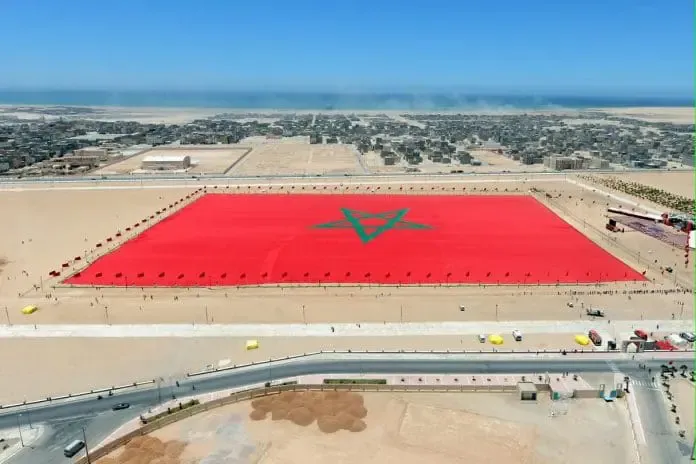
In an unprecedented diplomatic dynamic, Morocco is gearing up for upcoming international meetings concerning the Western Sahara issue, prominently featuring the United Nations Fourth Committee and the Security Council. The kingdom is surrounded by extensive international support for its autonomy proposal, which has been on the table since 2007. This momentum has significantly escalated since February, as Morocco has notably intensified its diplomatic efforts to rally global backing for its sovereignty-based initiative. The increasing number of nations endorsing this proposal highlights a growing consensus that the Moroccan approach represents the most pragmatic, credible, and feasible solution to end the long-standing dispute.
In just the past four months, more than 15 countries from various continents have announced their unequivocal or renewed support for Morocco's autonomy initiative. This wave of backing spans Africa, Europe, the Americas, Asia, and the Arab world, reinforcing Morocco's position within the international community ahead of critical UN meetings tied to the issue. Notably, in Africa, supportive stances have emerged from influential regional players such as Mali, Burkina Faso, Kenya, São Tomé and Príncipe, Madagascar, Guinea, Ivory Coast, and the Central African Republic, indicating a marked increase in African support for Morocco's approach to managing the dispute.
This shift in African sentiment occurs amidst a broader context characterized by a decline in support for separatist agendas across the continent, exemplified by Mali's withdrawal of recognition for the Polisario Front. Concurrently, Morocco has been fostering economic and security partnerships with various African nations, particularly in West Africa and the Sahel region, positioning itself as a strategic ally in matters of security, investment, and development.
In Europe, several capitals have reinforced their alignment with Morocco's proposal, either through new official stances or by reaffirming previous support. Germany, Finland, the Netherlands, and France are among the nations that have publicly backed the initiative. Moreover, the European Commission continues to underscore the importance of its strategic partnership with Morocco, supporting UN efforts grounded in realism and consensus. Notably, France's position has been identified as a significant shift in the narrative over the last two years, alongside Spain, given Paris's weight within the European Union and the Security Council, and the political messages that its explicit support for autonomy conveys regarding the future of international engagement with the dispute.
Across the Americas, the United States has reaffirmed its support for Morocco's sovereignty over Western Sahara and the autonomy initiative, doing so explicitly in recent weeks. Additionally, countries such as Canada, Haiti, Costa Rica, Panama, and Ecuador have also expressed supportive positions, indicating an expanding circle of endorsement within the American sphere. Meanwhile, in Asia, Japan has praised the autonomy proposal, reaffirming its backing for the UN-led process based on realism. Gulf Cooperation Council nations, especially Bahrain, have consistently renewed their steadfast support for Morocco's territorial integrity and autonomy initiative as the only realistic solution to the conflict.
This political and diplomatic dynamism comes just weeks before the UN Fourth Committee meetings, which are expected to address the Moroccan Sahara file amid differing circumstances compared to previous years, particularly with the growing number of countries viewing autonomy under Moroccan sovereignty as the practical and final resolution to the dispute. Observers of the Sahara issue note that the ongoing inclusion of the case within the Fourth Committee for decolonization presents an increasingly paradoxical political situation, considering that most influential global powers now treat the dispute as a political issue to be resolved within the framework of Moroccan sovereignty and the autonomy proposal, rather than as a traditional decolonization file.
Morocco is poised to enter the Fourth Committee meetings backed by this diplomatic momentum, potentially granting it a distinct political advantage during the UN discussions, especially with the rising number of countries directly advocating for a transition from conflict management to the implementation of a political solution on the ground. This dynamic is expected to persist in the coming months, as Morocco continues to amplify its diplomatic outreach, both within Africa, Europe, and other geopolitical arenas, which could lead to a broader international recognition of Morocco's sovereignty over Western Sahara and support for the autonomy initiative ahead of the Security Council meeting in October.
Stakeholders in the Sahara issue anticipate that this shift will directly influence the discussions within the Security Council regarding the region, especially following the resolution passed on October 31, 2025, which called for parties to negotiate based on the autonomy initiative. It is likely that upcoming discussions will pivot towards exerting greater pressure to advance the Moroccan proposal as the definitive solution to the dispute, rather than merely reiterating the annual need to continue the political process.
As reported by assahifa.com.