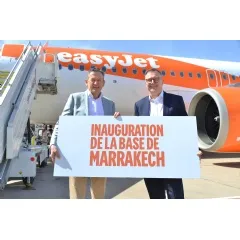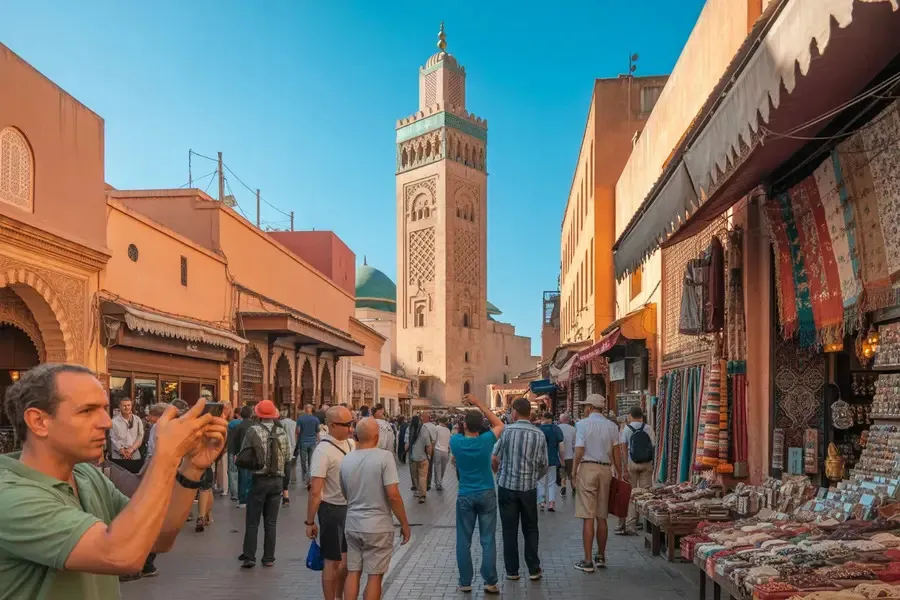
Germany has joined a vibrant coalition of nations—including the United States, the United Kingdom, France, Spain, Italy, the Netherlands, and Belgium—contributing to Morocco's remarkable tourism boom. This surge has been highlighted by an impressive 7% increase in tourist arrivals during the first quarter of 2026, marking a significant milestone in visitor growth for the North African nation. Morocco's allure is on the rise as international travelers are increasingly drawn to its diverse cities, rich culture, and breathtaking landscapes. A pivotal factor behind this growth is the enhanced air connectivity, which has made traveling to Morocco more accessible and affordable. Moreover, a wider array of travel options has emerged, allowing a more diverse group of tourists to explore the country. The variety of source markets has been instrumental in this boom, with contributions from both European nations and the U.S. playing a vital role. Additionally, the increasing availability of high-quality accommodations and a burgeoning entertainment scene have solidified Morocco's status as a premier destination for global tourists seeking both adventure and relaxation.
How Global Tourism Markets Have Contributed to Morocco’s Tourism Growth
In recent years, Morocco has experienced a remarkable escalation in tourism, attracting millions of international visitors annually. This growth can be attributed to numerous factors, including the country's rich cultural heritage, extensive history, and stunning natural landscapes. A crucial element of this tourism surge has been Morocco's robust relationships with key international markets. Nations throughout Europe, the Middle East, and North America have significantly contributed to this growth, whether through the establishment of direct flight routes, engaging in cultural exchanges, or making substantial tourism investments. This article delves into how these countries have played a pivotal role in enhancing tourism to Morocco, each contributing in their distinct manners.
France has historically been one of the largest sources of tourists to Morocco, with the deep-rooted relationship stemming from Morocco's status as a French protectorate until 1956. This historical connection has fostered enduring cultural ties, making France the leading tourist market for Morocco. French visitors are drawn to Morocco for several reasons: its geographical proximity, the shared language (with French widely spoken in Morocco), and the cultural similarities between the two nations. The blend of modern cities like Casablanca alongside historic sites such as Fes and Marrakech resonates strongly with French tourists, many of whom are captivated by the country's rich cultural tapestry and vibrant arts scene.
The ease of travel has also been a significant factor in France's role in promoting Moroccan tourism. Regular flight connections from French cities like Paris, Marseille, and Lyon to Morocco's major airports have facilitated travel, further bolstering tourism. The substantial Moroccan diaspora in France strengthens the ties between the two countries, prompting travel for familial visits and heritage exploration. Moreover, French travel agencies and tour operators have played a crucial role in promoting Morocco as a prime travel destination, offering specially designed packages that range from desert excursions to luxurious stays in traditional riads. Consequently, French tourists remain a formidable force in Morocco's tourism landscape.
Spain, characterized by its geographic closeness to Morocco, has consistently been a critical player in the country's tourism success. The short ferry rides and flights across the Mediterranean make Morocco an easily accessible getaway for Spanish tourists, making it a popular choice for both brief excursions and longer vacations. The cultural similarities shared between Spain and Morocco, bolstered by their intertwined history of Islamic influence, further entice Spanish visitors. Cities like Granada and Cordoba in Spain resonate with Morocco’s architectural and cultural heritage, prompting many tourists from Spain to explore Moroccan gems like Marrakech, Fes, and Tangier.
Spain's well-established flight network, connecting major cities such as Madrid, Barcelona, and Seville to Morocco's key destinations, has led to an increase in Spanish tourists visiting Morocco for leisure and business purposes. Additionally, the Spanish-speaking population in Morocco’s northern regions, including Tangier and Chefchaouen, provides a comfortable environment for Spanish visitors who may not be proficient in other languages. The luxurious offerings of Morocco, including high-end resorts and golf courses, have also captured the attention of Spanish travelers seeking both excitement and relaxation. The flourishing wellness tourism sector, featuring spa retreats and traditional Moroccan hammams, has further enhanced the appeal for Spanish visitors.
Germany has emerged as a significant source market for Moroccan tourism, with an increasing number of German tourists eager to explore the country’s rich cultural landscape. Known for their appreciation of history, art, and nature, German travelers are naturally attracted to Morocco's ancient cities, historical landmarks, and varied landscapes. Popular destinations among German tourists include Marrakech, Fes, and Essaouira, where they often seek a blend of cultural immersion and adventure. The scenic beauty of Morocco, characterized by the Atlas Mountains, Sahara Desert, and coastal regions, entices German visitors who are looking for both trekking opportunities and luxurious travel experiences.
Moreover, German travel agencies have been vital in promoting Morocco by organizing guided tours and marketing the country as a destination for luxury, adventure, and cultural travel. With direct flights available from major German airports such as Frankfurt, Munich, and Berlin, there has been a notable increase in the number of German tourists visiting Morocco in recent years. The growing interest from Germany is also attributed to Morocco’s reputation for providing high-quality, cost-effective services for tourists. German visitors particularly appreciate Morocco's harmonization of cultural heritage with modern luxury, alongside the warm hospitality offered by Moroccan hosts.
The United Kingdom has consistently represented a significant market for Moroccan tourism, with British travelers particularly attracted to the country’s rich cultural offerings, historical significance, and luxurious experiences. The UK ranks among Morocco's largest non-African markets, with British nationals frequently visiting the nation for cultural exploration and relaxation. British tourists show a keen interest in the vibrant souks, magnificent palaces, and historic medinas of cities such as Marrakech, Fes, and Rabat. Furthermore, Morocco's proximity to Europe makes it an attractive destination for short breaks, catering to many UK travelers' needs.
Direct flight routes from cities such as London, Manchester, and Birmingham to key Moroccan cities have made travel more convenient. Additionally, Morocco's growing reputation as a family-friendly destination, featuring all-inclusive resorts and a plethora of activities suitable for children, has led to increased tourist traffic from the UK. The British fascination with Morocco's culinary traditions, from traditional tagines to mint tea, has also fueled the growth of food tourism, with special interest tours—including cooking classes and food market excursions—becoming popular among UK visitors eager to experience the country's unique gastronomy.
The United States has emerged as an increasing source of high-end tourists to Morocco, with many American travelers attracted to the country's luxurious offerings, ranging from opulent hotels to private desert camps and upscale dining options. The strong historical and cultural appeal of Morocco, combined with the allure of unique, exotic experiences, renders the country a highly desirable destination for American tourists. Cities like Marrakech are particularly favored by American visitors due to their renowned luxury hotels, boutique shopping experiences, and proximity to the Sahara Desert, while places like Casablanca and Fes, with their rich histories and vibrant cultures, also draw steady numbers of American tourists.
Although the number of American tourists visiting Morocco is not as high as that from European countries, this market has been growing steadily in recent years, driven by Morocco's expanding luxury offerings and its rising popularity in cultural tourism. American travelers are particularly captivated by the chance to immerse themselves in a different cultural realm, where traditional architecture, bustling medinas, and exotic landscapes forge an unforgettable journey.
The Middle East has increasingly emerged as a vital source market for Morocco, with tourists from Gulf countries—especially the UAE, Qatar, and Saudi Arabia—seeking high-end, luxurious experiences. The growing affluence in the Gulf region, combined with an increasing desire for exclusive, luxury travel experiences, has led to a surge in visitors from countries such as the UAE and Qatar. The Gulf's investment in Morocco's hospitality infrastructure has resulted in the development of high-end hotels, resorts, and private villas tailored to affluent travelers. The rise of wellness tourism, encompassing spa retreats, wellness centers, and health-focused vacations, has also attracted wealthy visitors from the Gulf region to Morocco.
Furthermore, an increasing number of direct flights from cities such as Dubai, Doha, and Riyadh have fueled the Gulf countries' interest in Morocco’s luxury offerings. Many travelers from this region opt for Morocco as a destination for short getaways or extended vacations, drawn by the country’s diverse landscapes, unique architectural styles, and luxurious lifestyle options. Germany's inclusion in this growing roster of countries contributing to Morocco's historic tourism boom, alongside the U.S., U.K., and France, has been a catalyst for remarkable visitor growth, evidenced by the 7% increase in arrivals in the first quarter of 2026.
Morocco's tourism success is a testament to global collaboration and the robust relationships it maintains with key markets worldwide. France, Spain, Germany, the U.K., the U.S., and Gulf countries have all played a significant role in bolstering Morocco's tourism sector, whether through increased air traffic, investment in tourism infrastructure, or cultural and leisure tourism. As Morocco continues to expand its tourism offerings and infrastructure, these countries will remain central to its long-term tourism strategy. Looking ahead, the Moroccan tourism sector is well-positioned for further growth, with new markets and opportunities on the horizon.
As reported by travelandtourworld.com.