Morocco's Proactive Measures Against Terrorism
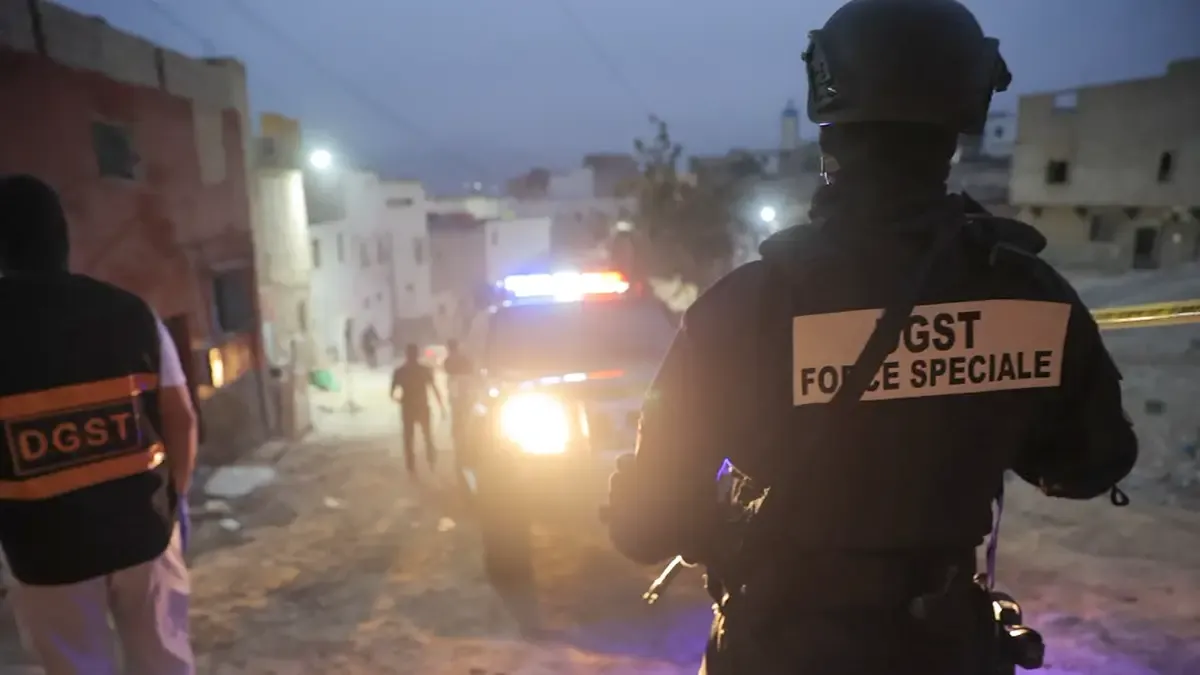
Recently, Morocco narrowly avoided a terrorist attack aimed at harming its citizens, institutions, and overall stability. The swift actions and vigilant monitoring by Moroccan security and intelligence services successfully neutralized this threat before it could be executed. This preventive operation, which was coordinated simultaneously across seven cities in the Kingdom, culminated in the dismantling of a cell comprised of ten suspected terrorists who had pledged allegiance to Daesh. The materials seized during the raids confirmed that the criminal plot was in a highly advanced stage of preparation.
This intervention underscores the anticipatory capabilities of Moroccan security forces in the face of hybrid threats. As a result, the Kingdom continues to maintain its trajectory of development within a climate of social peace, despite a regional backdrop fraught with numerous tension factors. Behind these terrorist plans are hostile networks that view Morocco as a primary target, clearly aiming to stifle its international projection.
Geopolitical Context and Regional Dynamics
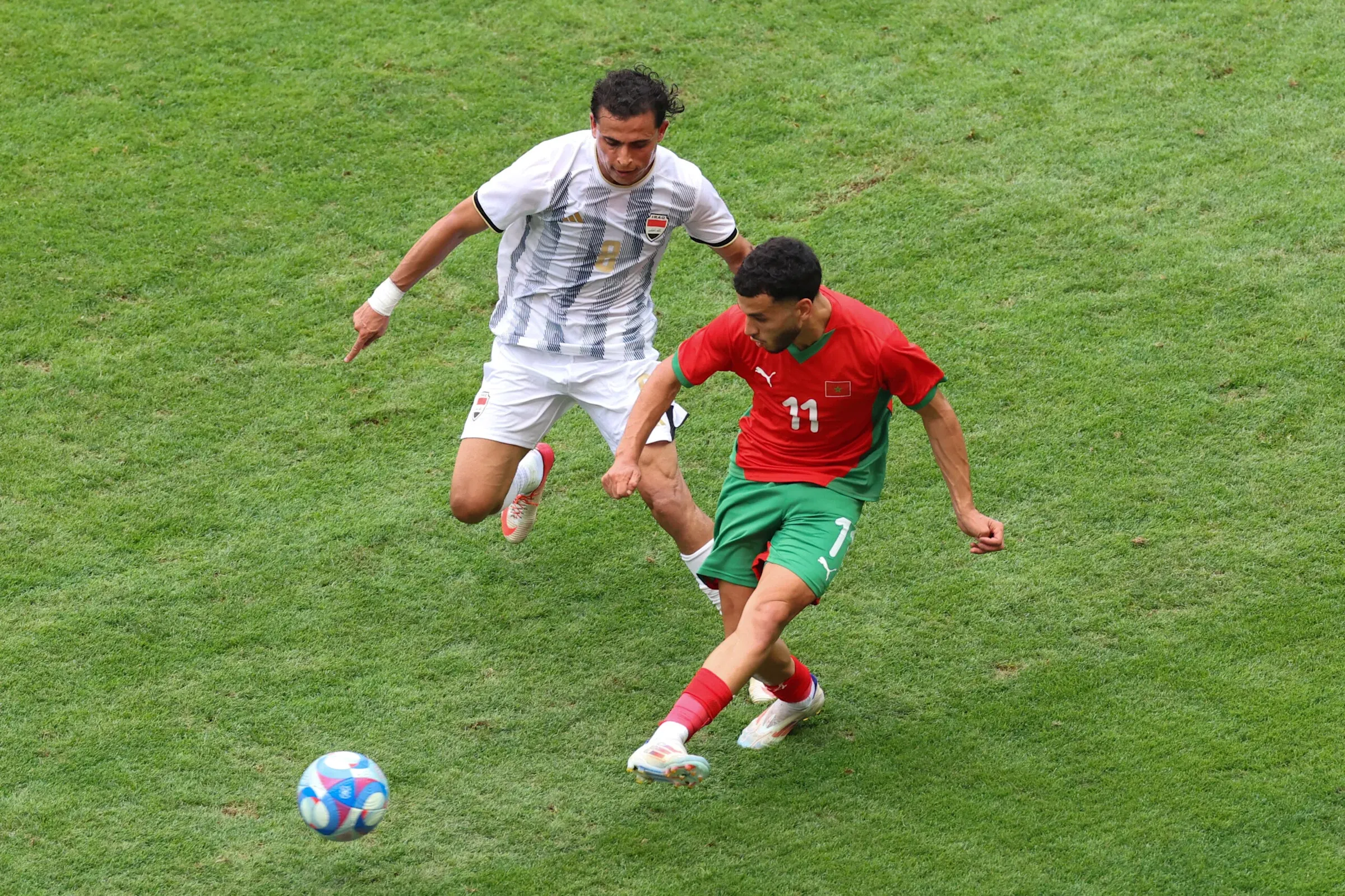
Morocco's geopolitical, economic, and sporting achievements have triggered increasingly virulent reactions from some of its neighbors. The historic performance of the "Atlas Lions" in the FIFA World Cup acted as a catalyst that exposed this hostility, leading to expressions of resentment indicative of a deeper political malaise. A prime example of this provocative dynamic was the burning of the Moroccan flag in a suburb of Paris following Morocco's victory against the Netherlands. Concurrently, some Algerian media—especially those publicly owned—chose to downplay Morocco's sporting achievements, even going so far as to omit the Kingdom's name from their reports. This attitude goes beyond the realm of football and reflects a systemic rejection of the country's overall progress.
This campaign of discrediting extends to the democratic institutions of the country and to the figure of King Mohammed VI, who has become a recurrent target of media attacks. There are also efforts to undermine Morocco's economic advancement, which has transformed the nation into an industrial giant in Africa and a strategic partner for Europe, the Mediterranean basin, America, and Asia. Diplomatic tensions represent another significant point of friction in the region. The increasing international support for Morocco's autonomy proposal and the explicit recognition of Moroccan sovereignty over the Sahara by global powers such as Spain, France, and the United States signify a profound shift in the balance of power. In light of this reality, the repeated attacks against the Kingdom reveal the anxiety of a political narrative that is aware of its waning influence.
The definitive resolution of the Moroccan Sahara conflict has become an absolute priority for the international community. In this regard, United Nations Security Council Resolution 2797 marks a milestone in this evolution and reflects the international commitment to expedite a fair and lasting political solution. Major powers are already preparing for the post-conflict scenario. Beyond geopolitical balances, international actors recognize the vast economic opportunities that will arise from the definitive stabilization of this Maghreb region. Therefore, the implementation of the autonomy plan is envisioned not only as a factor for regional peace but also as a catalyst for economic co-development.
Consequently, the persistence of a hostile narrative towards Morocco appears anachronistic against the backdrop of current diplomatic realities. While international trends advocate for de-escalation between Rabat and Algiers, confrontational discourses continue to be intentionally fueled in Algerian public opinion, hindering the future normalization of bilateral relations. The proliferation of international crises, especially tensions in the Middle East, has heightened the strategic interest of major powers in the Maghreb. Positioned at the crossroads of Europe, the Arab world, and Africa, this geographical area is crucial for international security.
Libya remains one of the primary hotspots of instability in North Africa. Recent diplomatic initiatives led by Massad Boulos, the special envoy of the White House under the Trump administration, demonstrate Washington's interest in breaking the deadlock and rebuilding stable institutions. Additionally, the resumption of relations between Mali and Algeria after fourteen months of rupture highlights the urgent need for cooperation in the face of the advancing jihadist threat in the Sahel-Saharan region. These vast territories continue to suffer from the impact of terrorist groups and organized crime networks that exploit weak borders and the proliferation of armed militias. Stabilizing the Sahel is now a shared priority for international diplomacy.
In this new geopolitical order, Morocco emerges as an indispensable actor with rising regional influence. Its historical ties with Libya, fluid relations with Sahel countries, and proven experience in counter-terrorism make it the most reliable partner to lead peacekeeping efforts. The definitive resolution of the Sahara dispute is seen as a necessary step for the Kingdom to unleash its full strategic potential. Freed from an artificial conflict that has consumed regional resources for half a century, Morocco will have greater maneuverability to contribute to the stability of the Mediterranean-Atlantic axis.
Resilient against attempts at destabilization, the Kingdom of Morocco steadfastly continues its economic and political development. Coordinated campaigns, whether in the form of terrorism, disinformation, or diplomatic pressures, will not alter a trajectory supported by a state strategy centered on security, moderation, and international leadership. For Mediterranean and Atlantic leaders, Morocco seeks to be a bridge of communication, information, and understanding among cultures.
As reported by atalayar.com.