Challenges Facing Morocco’s Broiler Chicken Sector
The broiler chicken industry in Morocco is currently grappling with an unprecedented crisis, leading to escalating tensions between industry stakeholders and the interprofessional poultry federation. The National Association of Broiler Chicken Farmers has vehemently dismissed the federation's assertion that the decline in prices is merely a temporary setback. Instead, they contend that the sector is plagued by enduring structural imbalances that have not only reduced prices but have also resulted in significant financial losses for farmers. This situation is exacerbated by a lack of effective governance and regulatory mechanisms to adequately manage supply and demand dynamics.
Mohamed Abboud, the president of the National Association of Broiler Chicken Farmers, disclosed to Yabiladi that the production cost for a kilogram of chicken currently ranges between 15 to 17 dirhams, while the prices at which farmers are selling their products have plummeted to between 7 to 9 dirhams per kilogram. This stark contrast illustrates the growing discord between production costs and market prices, leaving farmers in a precarious situation.
Imbalance in Supply and Demand
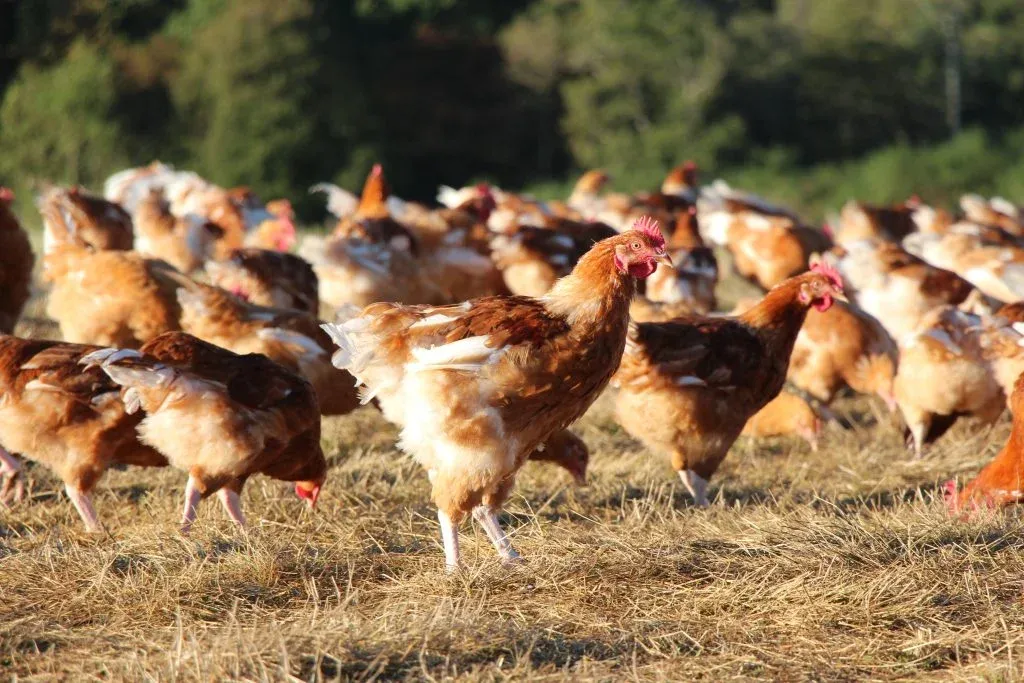
Abboud explained that while consumers are still paying between 12 to 15 dirhams per kilogram depending on their location, it is the farmers who are disproportionately affected by the widening gap between their production costs and the selling prices. The crisis is largely attributed to overproduction; approximately 15 million chicks are produced weekly, far exceeding the domestic market's typical requirement of around 9 million. This has created a significant disparity in supply and demand, which was further intensified during the Eid al-Adha holiday when consumption reportedly fell to around 7 million chicks.
The association emphasizes that the crisis is not merely a reflection of short-term fluctuations but is indicative of a deeper, systemic failure in public policies aimed at supporting the poultry sector. They highlight the inadequacies of the programme contract designed to enhance the poultry supply chain, which has failed to meet its objectives of supporting farmers and safeguarding consumer interests. The lack of regulatory measures and proactive strategies to manage production levels has led to a market inundated with products, driving prices below sustainable production costs and resulting in dire financial repercussions for farmers.
Furthermore, Abboud criticized the current sector policies for favoring a small group of major players who benefit from sector agreements while smaller and medium-sized farmers experience little improvement, despite considerable governmental support in recent years. Consequently, the association has urged both the government and the professional federation to be accountable for the prevailing conditions.
In light of this crisis, the association has called for an independent and thorough investigation into the management of the poultry sector, particularly focusing on the design and execution of the programme contract. They are advocating for the identification of beneficiaries of the sector's imbalances and the establishment of accountability across administrative, professional, and political layers.
Among their recommendations, the association suggests creating a census of small-scale poultry farmers through regional agricultural directorates, which would enable public support to be directed to those most in need. They also propose exempting animal feed from value-added tax for small farmers, a move they believe would alleviate production costs and enhance the sustainability of poultry farming in Morocco. An urgent government intervention is necessary to avert further farm closures, as many producers could face bankruptcy without immediate action. Additionally, a comprehensive restructuring of the sector based on principles of transparency, fairness, and equal opportunity has been strongly advocated.
As reported by en.yabiladi.com.