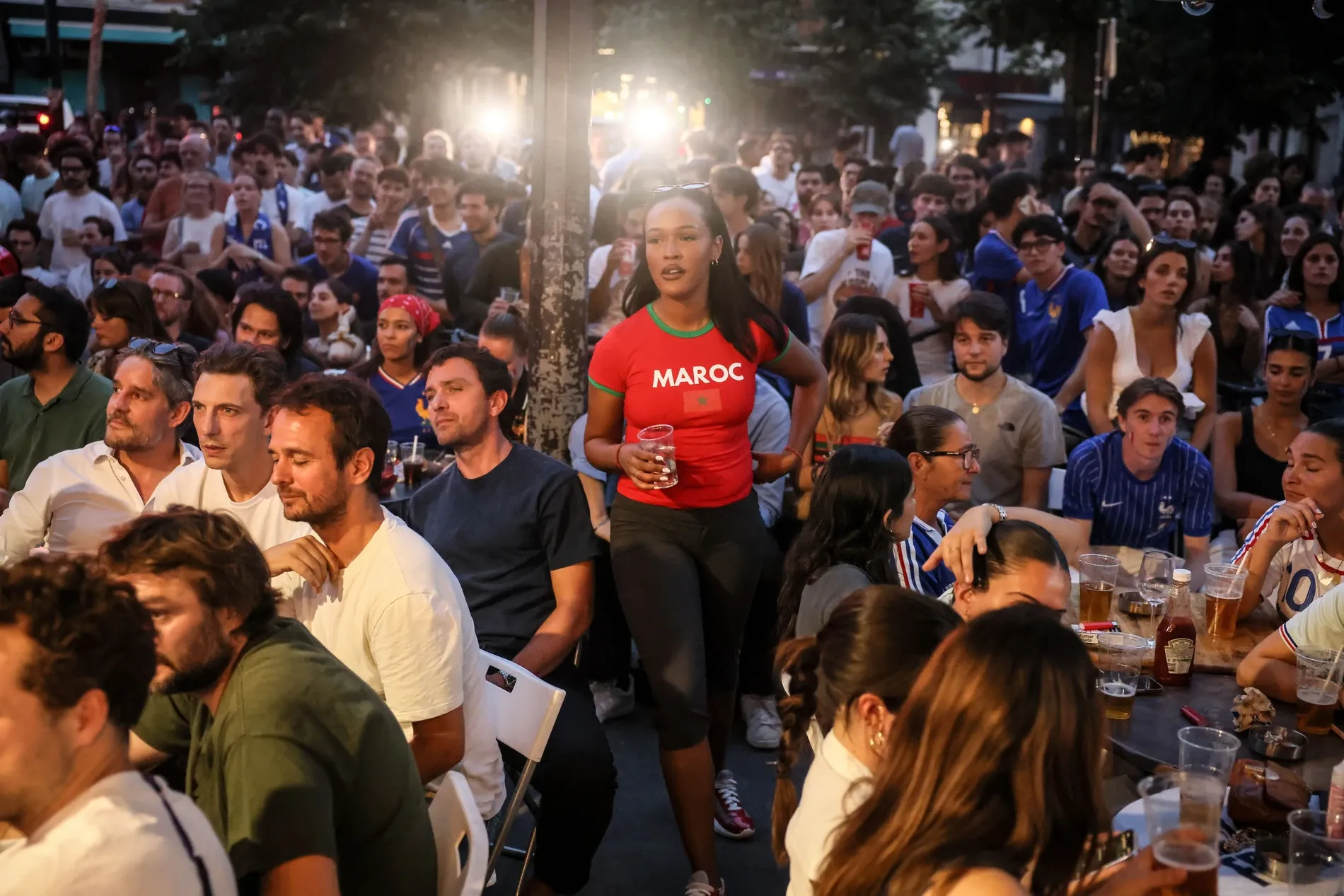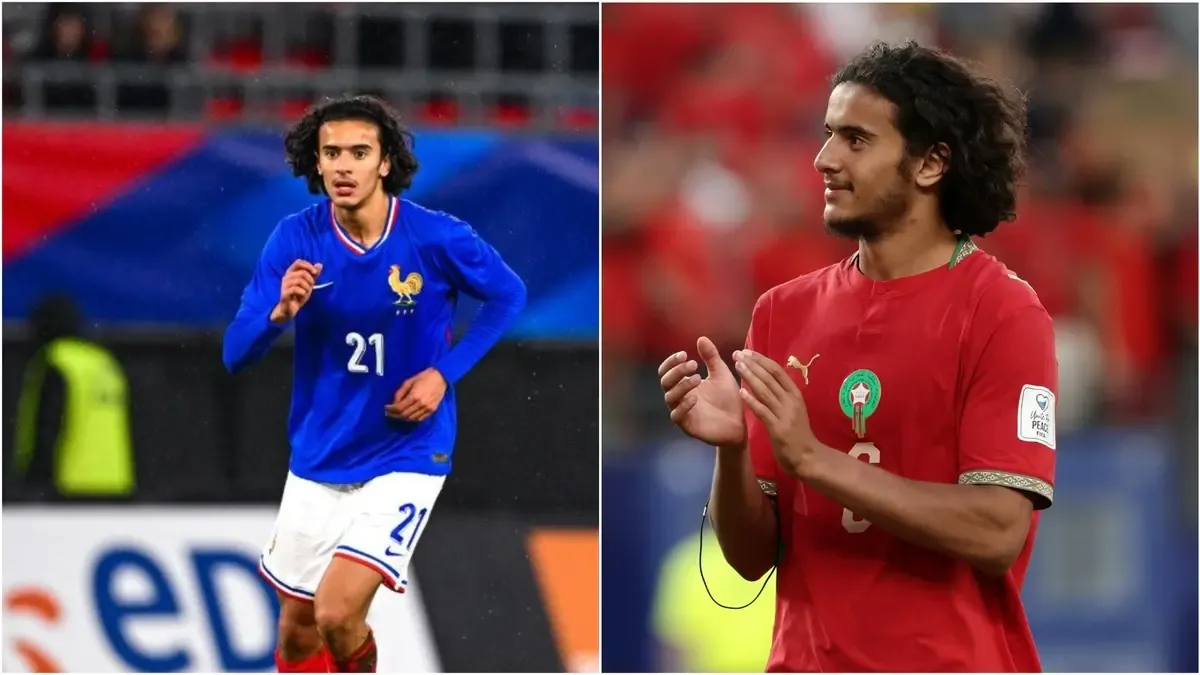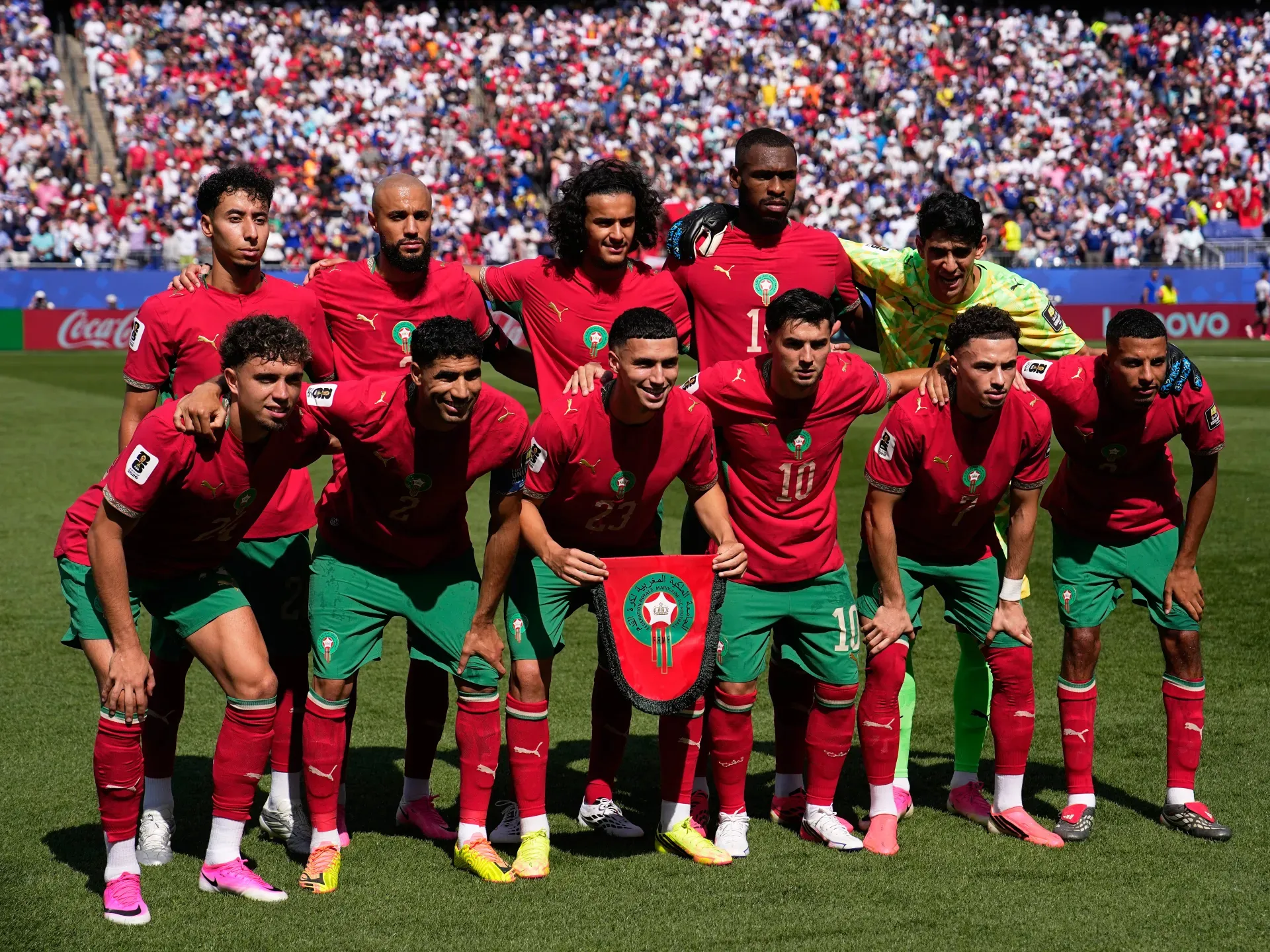
The Moroccan national football team faced a disappointing end to their World Cup journey, failing to replicate their historic achievement from the previous tournament where they became the first African team to reach the semi-finals. Once again, they fell to the French team, exiting the current competition in the quarter-finals after a 2-0 defeat in Boston on July 9, 2026. This loss marks a significant moment for Morocco as they quickly shift their focus to future endeavors, notably as one of the hosts for the 2030 FIFA World Cup alongside Spain and Portugal.
Morocco's performance in this expanded tournament, featuring 48 teams for the first time, can still be viewed as a success. They made history by reaching the quarter-finals for the second consecutive time, a feat no other African team has accomplished. Their journey included a notable victory over the Netherlands and a commendable performance against Brazil, where they applied considerable pressure on one of the world's premier teams.
Despite entering the tournament under a cloud of uncertainty due to a coaching change just three months prior, new coach Mohamed Wahbi managed to stabilize the team, drawing on his experience from leading the youth team to a World Cup title last year. As the Moroccan team reflects on their World Cup performance, their ambitions now turn toward the 2030 World Cup, where they will automatically qualify as hosts.
In a statement following their exit, Wahbi expressed optimism about the future, stating, "We have a young team eager to develop and continue progressing. We possess talented players who will enable us to grow." The Moroccan Football Federation is likely to retain Wahbi, offering him ample time to cultivate a more competitive squad, with the aim of contending for the World Cup title in 2030.
Before reaching this pivotal milestone, however, Wahbi faces the challenge of leading the team through the next two editions of the Africa Cup of Nations in 2027 and 2028. This task is particularly daunting given the fierce nature of continental competitions, where poor performances can often lead to changes in coaching staff. Wahbi emphasized the importance of focusing on continental challenges first, stating, "We must qualify for the Africa Cup and strive to win it. We need to ensure that we have a team capable of fulfilling our dreams for the future. Winning titles is essential to confirm that we are on the right path."
Despite being ranked as the top African team, Morocco's record in the Africa Cup of Nations remains modest, with only one title secured in 1976. Although they were awarded the title for the 2025 edition after Senegal's withdrawal during the final, this decision is still under appeal and may be overturned. Morocco's next competitive journey begins in September with the Africa Cup of Nations qualifiers, where they have been drawn into a manageable group alongside Gabon, Lesotho, and Niger.
Looking ahead to the 2030 World Cup, Morocco's ambitions will need to rise to meet the challenges posed by stronger opponents in order to enhance their chances of success on home soil. Wahbi remarked, "Of course, the Africa Cup is not the World Cup. It is a different competition, with opponents who play in various styles. When you are not accustomed to these styles and are not ready for the World Cup, you can be eliminated very quickly." As Morocco exits the 2026 World Cup with their heads held high, they recognize that achieving their dream for 2030 hinges on building a more stable team and finding success at the continental level before tackling the grand challenge on their home turf in four years.
As reported by aljazeera.net.