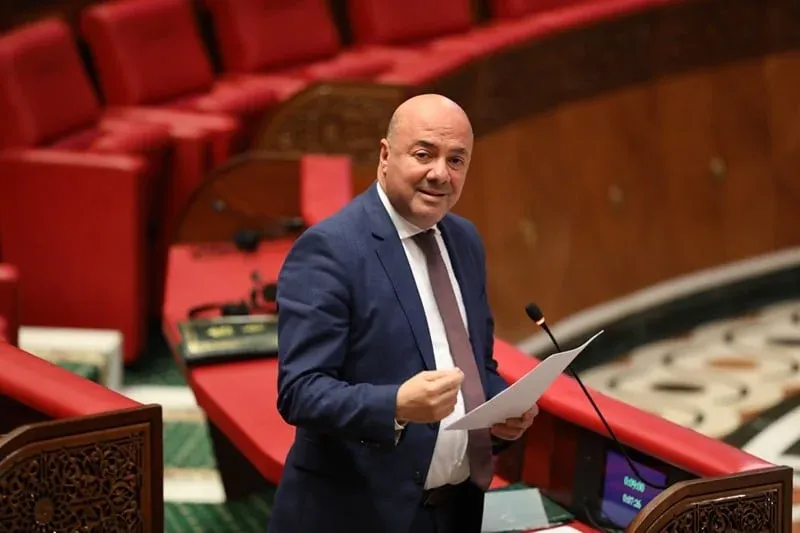
In a significant development for housing in Morocco, over 105,000 individuals have benefited from the government's direct housing assistance program, as announced by Adib Benbrahim, the Secretary of State for Housing, during a session held in Rabat. The program has garnered extensive interest across the nation, with an impressive 218,000 applications submitted, highlighting the pressing demand for affordable housing solutions. Notably, a considerable portion of the beneficiaries comprises Moroccans residing abroad, who represent 24% of the total, while women account for 40%. Furthermore, young people under the age of 40 make up a substantial 52% of the recipients, reflecting the program's appeal to the younger demographic.
Benbrahim elaborated that a remarkable 60% of the beneficiaries purchased homes priced below 300,000 dirhams, and the same percentage of recipients received a housing assistance package worth 70,000 dirhams. This statistic underscores the program's alignment with the needs of middle-income households, who are often the most affected by housing shortages. The initiative has strategically concentrated its support in cities and provinces where the need for social housing is most acute, effectively addressing existing disparities and gaps in housing availability.
Significantly, the impact of this program extends beyond mere numbers. According to Benbrahim, 62 cities and urban centers have successfully eradicated shantytowns, thereby enhancing living conditions for approximately 384,818 households. During the current government term, more than 81,000 households have witnessed improvements in their living conditions, a testament to the government's commitment to tackling housing challenges head-on. Efforts are ongoing to bolster oversight mechanisms aimed at curbing the proliferation of informal settlements, with the ambitious goal of completely eradicating such settlements by 2028.
In addressing the critical issue of building safety, Benbrahim reported that nationwide surveys have identified 53,728 structures at risk of collapse, with 28,000 of these buildings undergoing thorough technical assessments. The government's proactive approach to urban renewal has played a pivotal role in revitalizing disadvantaged neighborhoods, ensuring access to decent housing, and combating various forms of social and economic exclusion. This initiative focuses on integrating peripheral neighborhoods into the broader urban landscape while rectifying urban planning discrepancies and fostering social and commercial balance.
As reported by en.yabiladi.com.