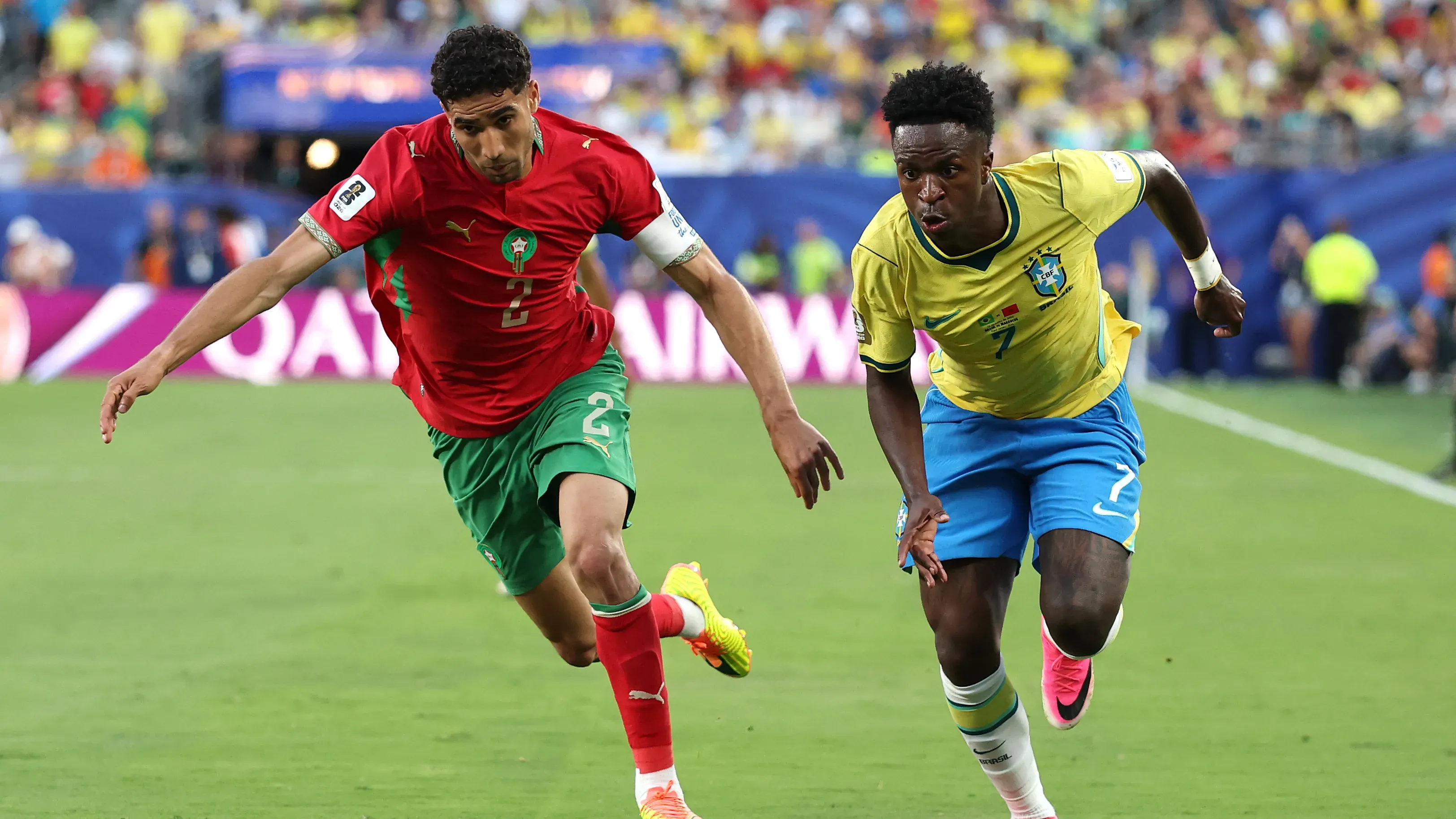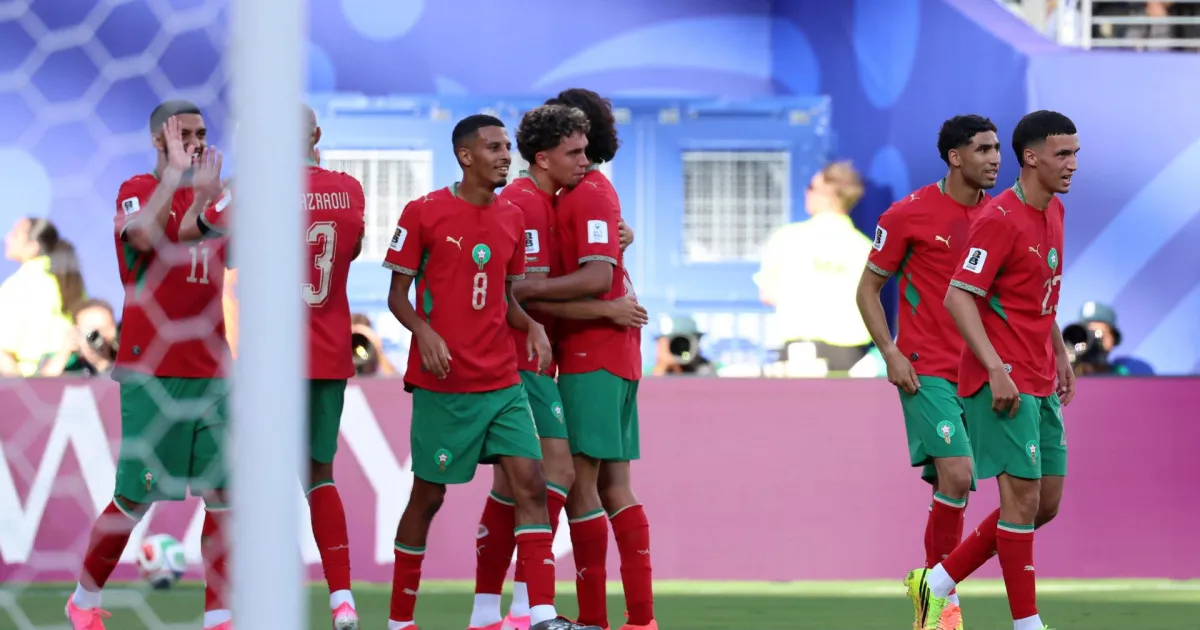
In an unprecedented turn of events at the 2026 FIFA World Cup, Morocco's national football team has made headlines with a remarkable statistic that highlights the evolving nature of international football. During their opening match against Brazil, the Moroccan squad, known as the 'Atlas Lions' and managed by Mohamed Ouahbi, fielded a starting eleven composed entirely of players who were not born in Morocco. This unique scenario unfolded with players such as Bono, Mazraoui, Diop, Riad, Hakimi, El Aynaoui, Bouaddi, Talbi, El Khabbous, El Mourabet, and Saibari taking to the field, marking a significant moment in World Cup history that had never been seen before.
This striking fact raises intriguing questions about nationality and representation in global sports. Among the eleven players, Morocco boasted talents hailing from various countries, including Canada, the Netherlands, France, Belgium, and Spain. Notably, goalkeeper Bono was born in Montreal, Canada, while Issa Diop, El Aynaoui, Bouaddi, and El Mourabet were all born in France. Additionally, Mazraoui made his debut from Leiderdorp in the Netherlands, alongside Talbi and El Khannouss from Belgium, and three players from Spain: Chadi Riad, Achraf Hakimi, and Ismael Saibari, all of whom were born in Palma, Madrid, and Tarrasa, respectively. This composition of the team not only showcases the multicultural fabric of modern football but also ignites discussions regarding talent acquisition and national identity within the sport.
The broader implications of this trend are significant, as Morocco is not alone in this phenomenon. Out of the 26 players they selected for the tournament, 19 were born outside of Morocco, underscoring a growing pattern in international football where nations are increasingly fielding players who possess dual nationalities or have emigrated. This World Cup has recorded 289 instances of players competing for nations other than their birth countries, with notable examples including Curaçao, which has 25 players born in the Netherlands, and Algeria, featuring many players born in France, such as Luca Zidane. Other countries like Bosnia and Herzegovina, Qatar, Senegal, and Tunisia also showcase over ten players in similar circumstances.
Furthermore, 40 out of the 48 teams participating in this World Cup include at least one player born outside their representing nation. For instance, Spain's Aymeric Laporte was born in France, Argentina has talents like Nico Paz and Giuliano Simeone from Spain and Italy respectively, and even Japan has Zion Suzuki, who was born in the United States. This evolving dynamic reflects a world that is increasingly interconnected, where the lines of nationality in sports are becoming blurred, allowing for diverse representations on the global stage. Morocco's historic lineup serves as a compelling anecdote within this larger narrative, capturing attention and sparking conversations about the future of international football.
As reported by eldebate.com.