Morocco's Groundbreaking Achievement in World Cup History
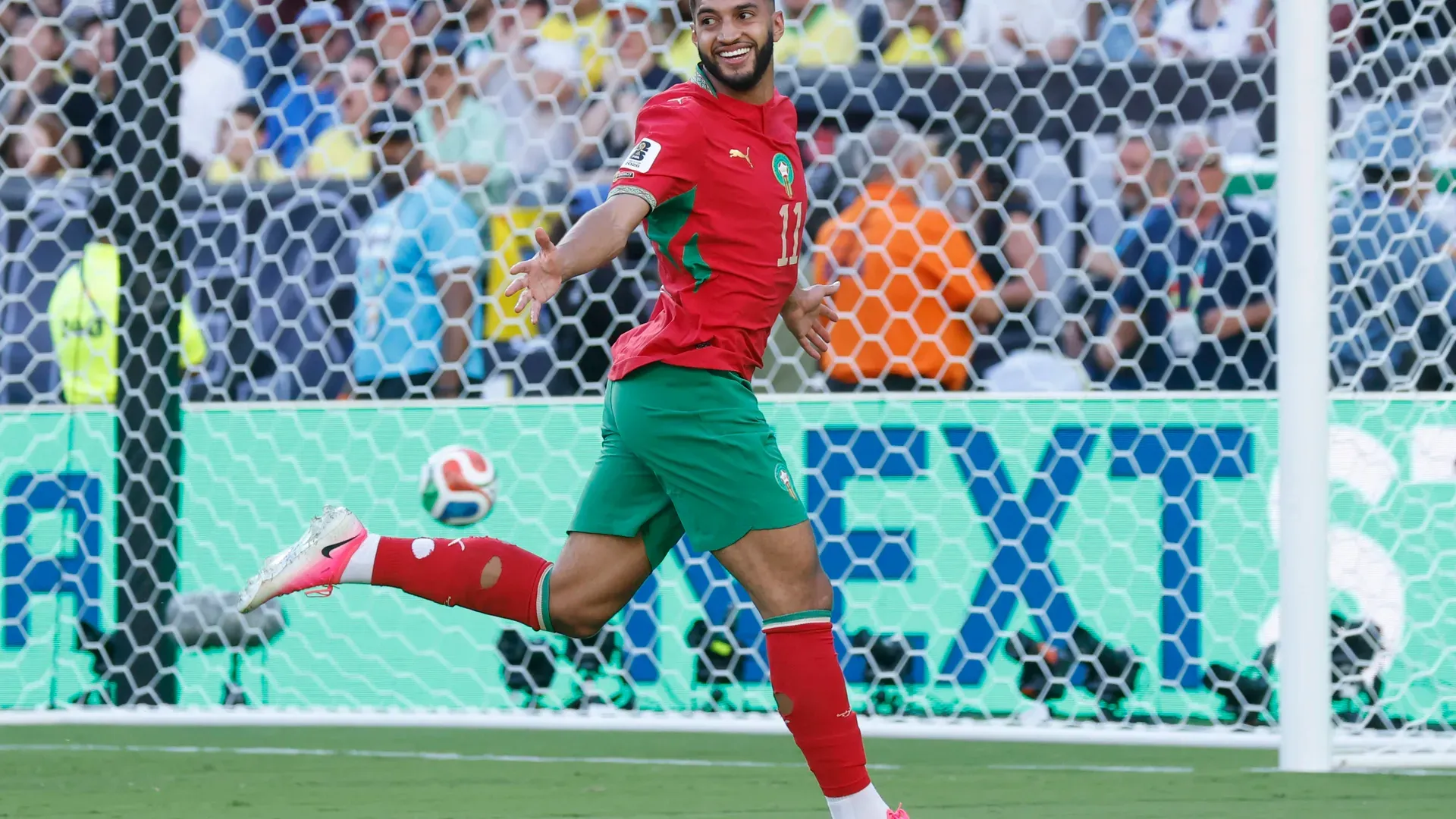
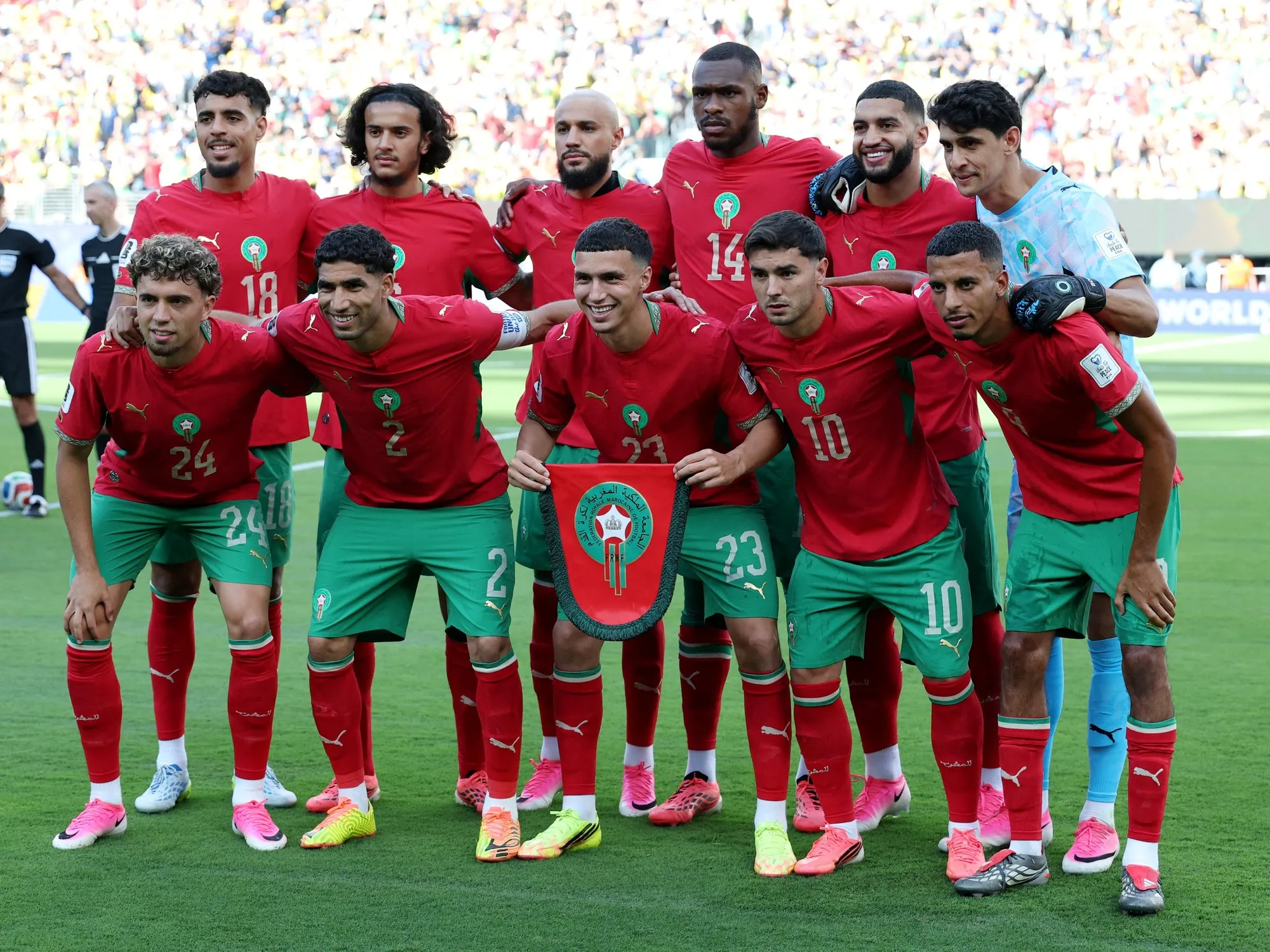
The recent 1-1 draw against Brazil in the 2026 World Cup marked a historic moment for Moroccan football. During the match, Morocco fielded eleven players who were born outside of its borders, a groundbreaking occurrence in the annals of World Cup history. This statistic is not just a mere number; it reflects a decades-long strategic sports policy and a much deeper connection to the Moroccan diaspora spread across Europe and North America. The phenomenon is not coincidental; Morocco has been diligently crafting a strategy to reclaim players born abroad who maintain familial ties to the country. Many of these athletes are children or grandchildren of immigrants who primarily settled in France, Belgium, the Netherlands, and Spain during the latter half of the 20th century.
In a notable segment of the match against Brazil, Morocco showcased a lineup that included Yassine Bono (born in Montreal, Canada), Noussair Mazraoui (Leiderdorp, Netherlands), Issa Diop (Toulouse, France), Chadi Riad (Palma, Spain), Achraf Hakimi (Madrid, Spain), Neil El Aynaoui (Nancy, France), Ayyoub Bouaddi (Senlis, France), Chemsdine Talbi (Sambreville, Belgium), Bilal El Khannouss (Molenbeek, Belgium), Samir El Mourabet (Strasbourg, France), and Ismael Saibari (Terrassa, Spain). All of these players, while born outside of Morocco, have strong Moroccan roots.
Demographic Realities and Strategic Responses
This situation underscores a unique demographic reality; it is estimated that over five million individuals of Moroccan descent reside outside of the country—a significant figure for a nation with approximately 38 million inhabitants. France houses the largest community, followed by Spain, Belgium, and the Netherlands. For many years, Morocco struggled to retain various talents who ended up representing the European national teams of their birth. The cases of Ibrahim Afellay, Khalid Boulahrouz, and even Munir El Haddadi, prior to FIFA's regulatory changes, exemplified a troubling trend for the Moroccan Football Federation.
The response to this challenge came in the form of systematic efforts. The Royal Moroccan Football Federation began scouting players from youth divisions across Europe, establishing specific departments to track talents with Moroccan ancestry, maintain contact with their families, and strengthen cultural ties to their parents' homeland. The initiative gained momentum with the opening of the Mohammed VI complex, one of Africa's most modern high-performance centers. From there, a policy emerged that combined infrastructure development, international scouting, and a clear message: representing Morocco is not a secondary option but a matter of identity.
The fruits of this labor became evident during the Qatar 2022 World Cup when Morocco became the first African and Arab nation to reach the semifinals. That squad was predominantly made up of players born in Europe, emphasizing the strength of this new approach. The heartwarming images of several players' mothers celebrating on the field after each victory became symbols of this dual belonging, showcasing athletes raised in cities like Madrid, Brussels, Amsterdam, or Paris representing Morocco not merely for sport but also for emotional and familial reasons.
Now, as we approach the 2026 World Cup, the record of eleven players born abroad brings this topic back into the spotlight. Far from being seen as an anomaly, Moroccans view this as a testament to a policy that has successfully transformed the diaspora into a competitive strength. The draw against Brazil has not only added a curious footnote to the history books but also confirmed that modern football no longer recognizes rigid borders. In fact, a similar scenario is likely to unfold in the same tournament, as 25 of the 26 players from Curacao were born outside of the island, debuting this Sunday against Germany in Houston.
As reported by clarin.com.