Morocco's Cultural Legacy: A Pathway to Global Influence
In a world where many nations are grappling with their identities and the preservation of their heritage amidst conflicts and cultural homogenization, Morocco stands out as a unique example of how the transmission of memory and traditional knowledge can serve as a potent form of soft power. The month of June, dedicated to intangible cultural heritage, reminds us that the very concept of power has evolved. Historically tied to military, economic, or diplomatic indicators, power now embodies a nation's ability to safeguard, transmit, and enhance its cultural legacy. In this global competition for soft power, Morocco is progressively establishing itself as one of the most dynamic players in Africa.
With sixteen elements listed on UNESCO's intangible cultural heritage lists, Morocco ranks among the most represented countries in this category. From the bustling Jemaa el-Fna square in Marrakech to the traditional Tbourida, the practices surrounding the argan tree, the mystical Gnawa music, the poetic Malhoun, and the craftsmanship of the caftan, this international recognition reflects not only an exceptional cultural richness but also a remarkable capacity to keep age-old traditions alive.
The Zellige: A Living Cultural Treasure
Among Morocco's cultural treasures, zellige holds a particularly esteemed position. More than just a decorative element, zellige is one of the most refined expressions of Moroccan artistic identity. This art of geometric mosaic relies on an intricate craftsmanship: small pieces of glazed ceramic are meticulously handcrafted and assembled into elaborate geometric compositions. Unlike modern decorative tiles, zellige patterns are not produced from a standardized template but are the product of the master's (mâalem) expertise, who visualizes the entire composition mentally before shaping each piece. The historical significance of zellige is profound; archaeological research in Morocco traces the genealogy of this art back over a millennium. Discoveries at Sijilmassa, an ancient caravan city founded in the 8th century, reveal the existence of geometric decorative programs that presage the visual principles of zellige. Findings in Fès, Chellah, Belyounech, and Marrakech illustrate the continuity of an artistic tradition that has evolved over time before reaching its monumental expression under the Almohads.
The earliest material evidence of zellige as we know it today primarily appears in Marrakech on the Almohad monuments of the 12th century, including the Koutoubia Mosque and the Kasbah Mosque. Recent studies even suggest that zellige gradually replaced the grand geometric frescoes that once adorned Moroccan palaces and homes. Therefore, this artistic form is not a sudden creation but rather the culmination of a long artistic evolution native to the Moroccan landscape.
Morocco boasts a particularly well-structured transmission network for this craft. Traditional arts schools in Tétouan, historical workshops in Fès, and the Academy of Traditional Arts in Casablanca are all instrumental in training new generations of artisans. The latter exemplifies the intersection of heritage and modernity, combining the teaching of ancestral techniques with digital tools and new methods of documenting cultural heritage. Moreover, the vitality of zellige is evidenced by its international appeal, with Moroccan creations now sought after far beyond the Kingdom's borders. The United States has emerged as one of the primary markets for this artisanal production, with prestigious projects, including collaborations with the Metropolitan Museum of Art in New York, highlighting the global recognition of this craftsmanship.
This acknowledgment is accompanied by a strategy for heritage protection. Morocco has secured several international registrations related to zellige from the World Intellectual Property Organization. More broadly, the case of zellige exemplifies how Morocco envisions its cultural policy today. Heritage is no longer merely seen as a relic of the past but as a resource aimed at the future. It contributes to the Kingdom's tourist appeal, nurtures its cultural industries, enhances its international image, and aids in transmitting a national identity that is open to the world.
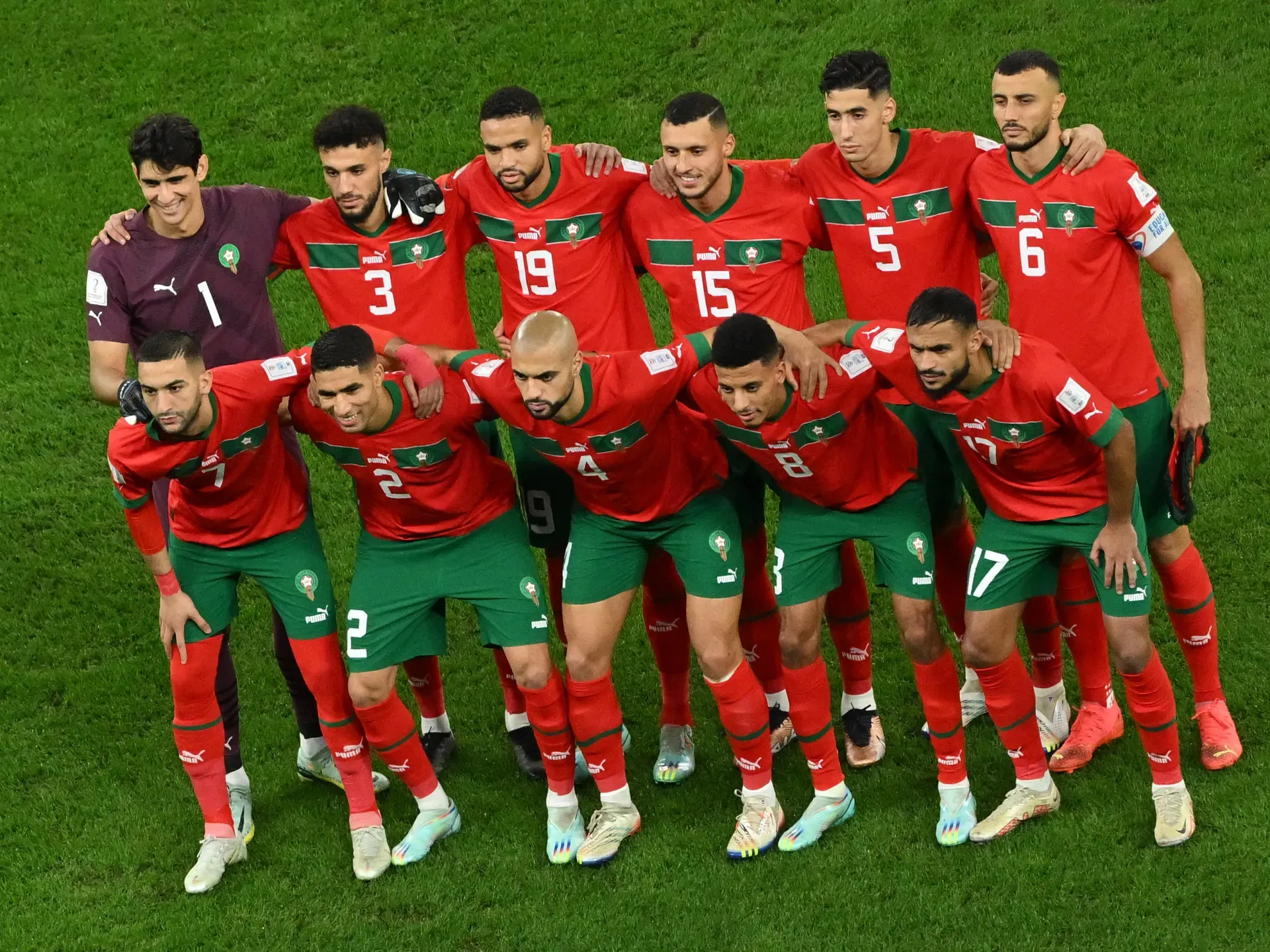
As Morocco prepares to co-host the 2030 World Cup alongside Spain and Portugal, this dimension becomes increasingly critical. The Kingdom is not only gearing up to welcome millions of visitors with new infrastructure but is also poised to showcase what is arguably its most sustainable wealth: a living heritage upheld daily by artisans, artists, musicians, and communities who perpetuate centuries-old traditions. In a globalized world that sometimes tends to homogenize cultures, Morocco demonstrates that it is possible to blend modernity with deep-rooted traditions. Zellige, with its patient geometric forms and craftsmanship passed down through generations, is one of the most beautiful illustrations of this. It serves as a reminder that true cultural power lies not only in what is preserved but in what continues to be brought to life.
As reported by lejdd.fr.