Morocco's Ambitious Dakhla Atlantic Port Project
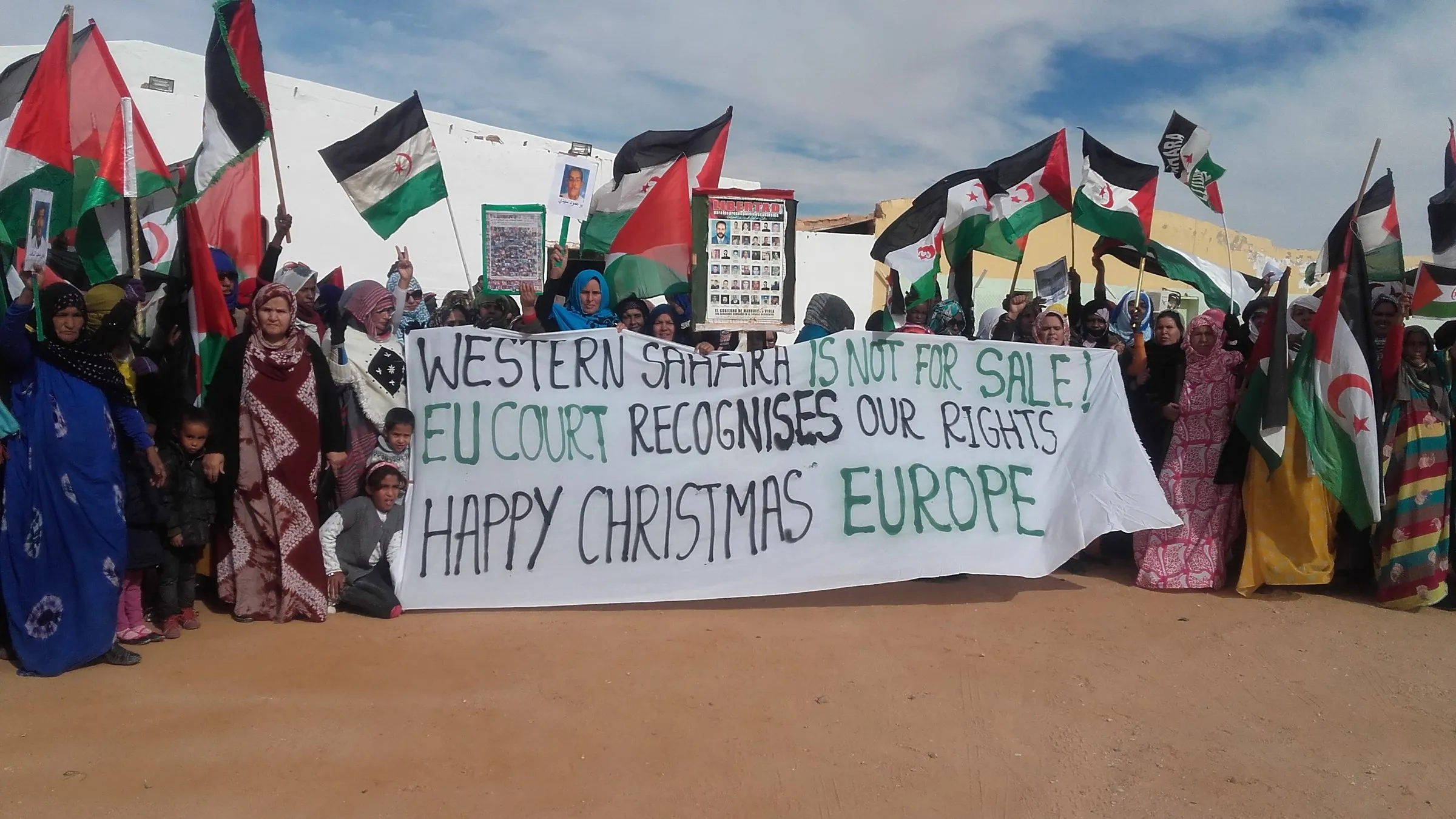
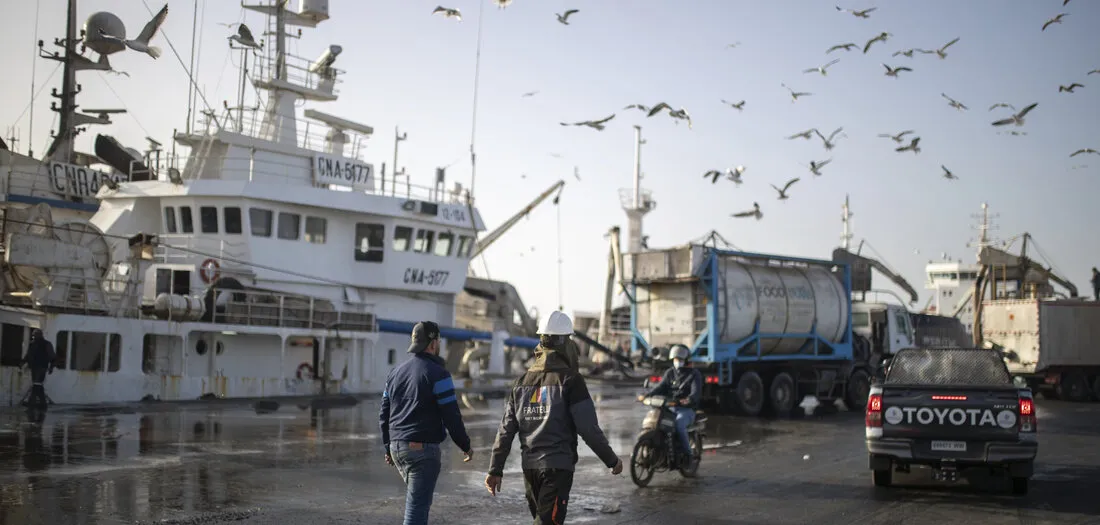
Morocco is embarking on an ambitious $1.6 billion project along the Atlantic coast of Western Sahara, known as the Dakhla Atlantic Port. Set to be completed in time for the 2030 FIFA World Cup, the port aims to facilitate trade and export various agricultural products, natural resources, and green hydrogen from the southern regions of Morocco, the occupied territory of Western Sahara, and neighboring countries. Recently, reports have indicated that the Dutch company De Boer is actively dredging the port's entrance using its suction dredger 'Parana,' a move that has raised significant legal and ethical concerns due to Morocco's occupation of two-thirds of Western Sahara, including its entire coastline.
The Dakhla Atlantic Port is designed to serve as a gateway for exports primarily directed towards North and South America, as expressed by port director Nisrine Iouzzi in a November interview with African Business. Currently, approximately 1,800 workers are engaged in the construction of the port facilities, with projections suggesting that the completed port could provide employment for 20,000 individuals in both the port and surrounding industries. This development is part of Morocco's broader strategy to enhance its economic footprint in Western Sahara, which includes connecting Dakhla to the national electricity grid and executing a nearly finished irrigation project worth around 231 million euros aimed at transforming arid land into fertile agricultural zones.
Legal and Ethical Concerns Surrounding the Project
However, Morocco's economic activities in Western Sahara are fraught with controversy, particularly in light of international law. According to United Nations guidelines, foreign companies can engage in business activities in the region, provided that the profits benefit the Sahrawi people rather than the occupying power, Morocco. Given the demographic changes in Dakhla, where the original Sahrawi population has been largely replaced by Moroccan settlers, it is questionable whether the local community will see any benefits from this development. Originally home to the nomadic Oulad Dlim tribe, Dakhla now has a majority population of immigrants, and the exact demographic statistics remain obscured due to the Moroccan government's lack of transparency regarding Sahrawi representation.
The Dutch trade agency 'Rijksdienst voor Ondernemend Nederland' has cautioned businesses about the risks associated with operating in such a politically sensitive region, highlighting potential legal repercussions and reputational damage stemming from supporting an illegal occupation. Despite these concerns, De Boer has chosen to keep a low profile regarding its involvement in Dakhla, showcasing projects in other countries such as Israel, Mexico, and New Zealand on its website while omitting any mention of the Atlantic port project. Meanwhile, tracking data has confirmed the presence of the 'Parana' dredger off the coast of Dakhla, further complicating the narrative surrounding this contentious project.
Andrea Pelliconi, a lecturer at the University of Southampton, has been vocal about the legal implications of Morocco's occupation, stating, 'Western Sahara is illegally occupied by Morocco. International law mandates that other countries must not support such an illegal situation, and this obligation extends to companies from other nations. The Netherlands has a responsibility to regulate its businesses accordingly,' as reported by NOS.
As reported by jungewelt.de.