A Landmark Skyscraper in Morocco's Capital
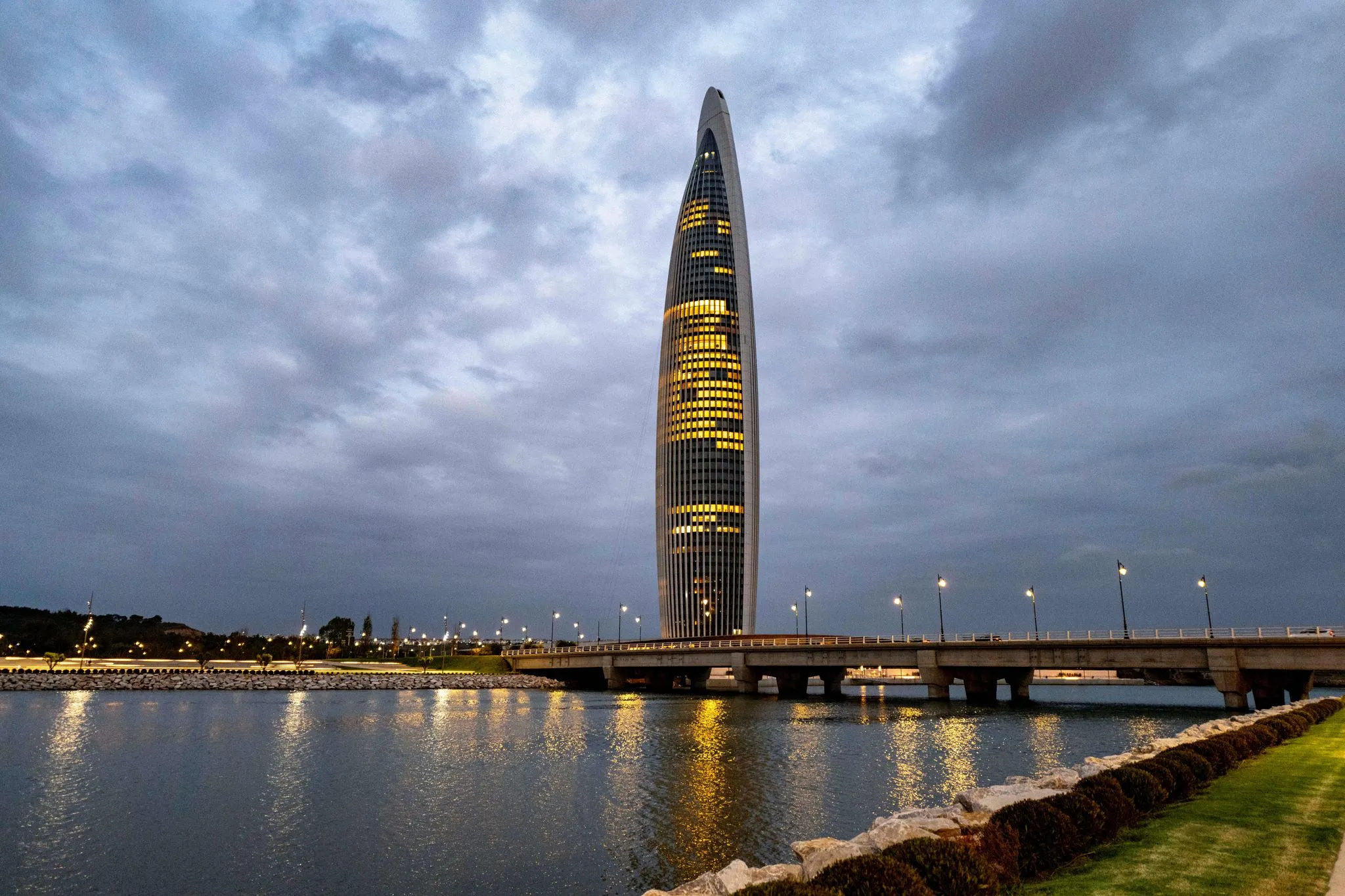
In a significant development for Morocco's architectural landscape, a stunning $700 million skyscraper, named after King Mohammed VI, has officially opened its doors in the capital's historic cityscape. Towering at an impressive 820 feet, the Mohammed VI Tower comprises 55 stories and is designed to resemble a rocket poised for launch, symbolizing the nation's ambitious aspirations on the global stage. This skyscraper is not only a feat of engineering but also a hub of luxury, featuring a Waldorf Astoria hotel, modern office spaces, high-end retail shops, gourmet restaurants, and upscale residential apartments, thereby catering to a variety of demographics.
Economic Impact and Tourism Goals
As one of Africa's tallest structures, the Mohammed VI Tower is anticipated to create approximately 450 direct jobs, with an additional 3,500 indirect employment opportunities as stated by Leila Haddaoui, the director of the development firm O Tower. Strategically located in Salé, which is adjacent to Rabat, the tower has been constructed over an impressive eight-year period, employing more than 2,500 workers from various countries, showcasing a collaborative international effort. Its prominence has even earned it a place on Morocco's 200-dirham banknote, further solidifying its status within the nation's identity.
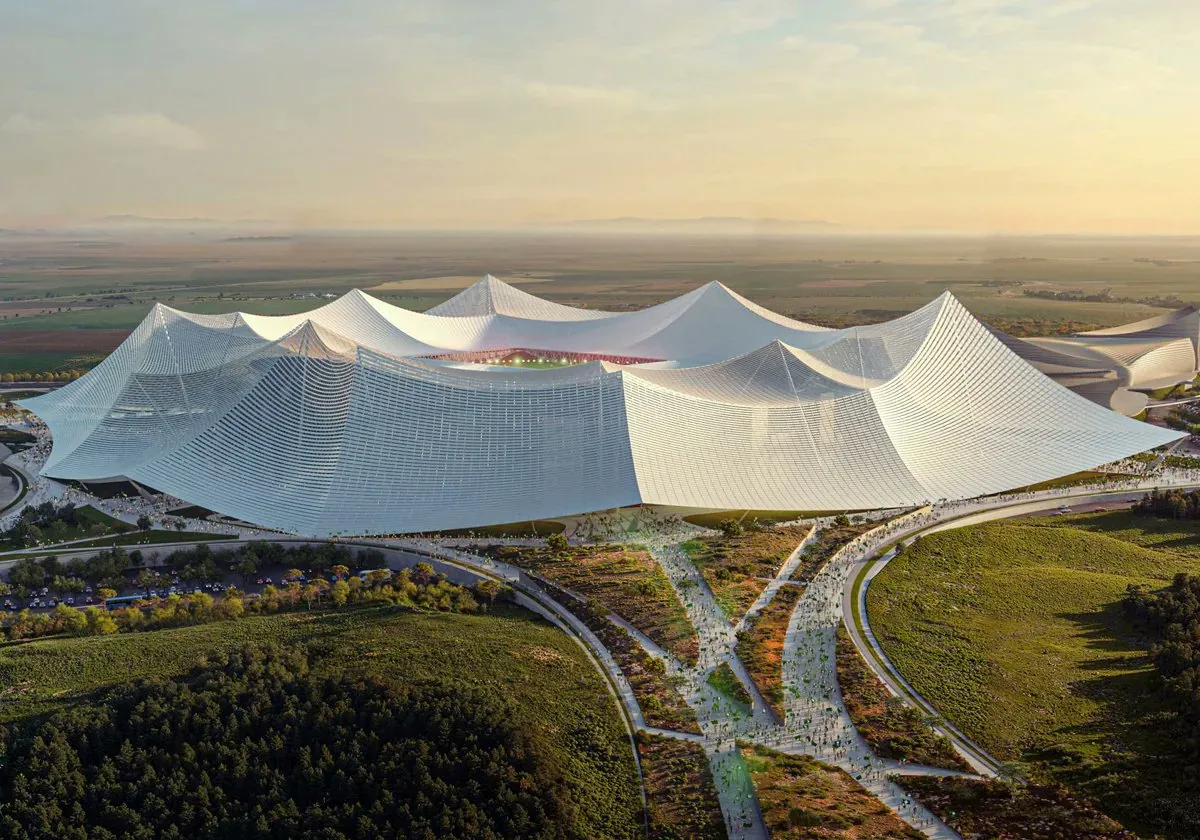
This ambitious project aligns with Morocco's broader tourism strategy, aiming to elevate Rabat and Salé—often overshadowed by more popular destinations—into the limelight, especially in light of the country's efforts to attract more international visitors. As Morocco prepares to co-host the 2030 FIFA World Cup, enhancing its tourism infrastructure becomes paramount. With tourism being a cornerstone of the Moroccan economy, the country is keen to draw travelers who may be seeking safer alternatives amid regional instability.
The opening of the Mohammed VI Tower also serves as a testament to Morocco's increasing soft power in Africa and the Middle East. It represents the nation’s commitment to positioning itself as a significant regional influencer through high-profile development endeavors. However, critics argue that such developments are primarily concentrated along the Atlantic corridor, leaving other regions underdeveloped. This concern was echoed in protests led by Gen Z last year, which brought attention to issues like high unemployment and inadequate public services.
Envisioned by Othmane Benjelloun, a 93-year-old billionaire and owner of the influential Bank of Africa, the tower’s design was inspired by an invitation he received from NASA in 1969 to participate in a spaceflight simulation for the Apollo 12 mission. This historical connection adds a layer of intrigue to the skyscraper, making it not just a structure, but a symbol of Morocco's ambitious future in both the African and global context.
As reported by thetelegraph.com.