Morocco Leads the Arab World in UNESCO Heritage Recognition
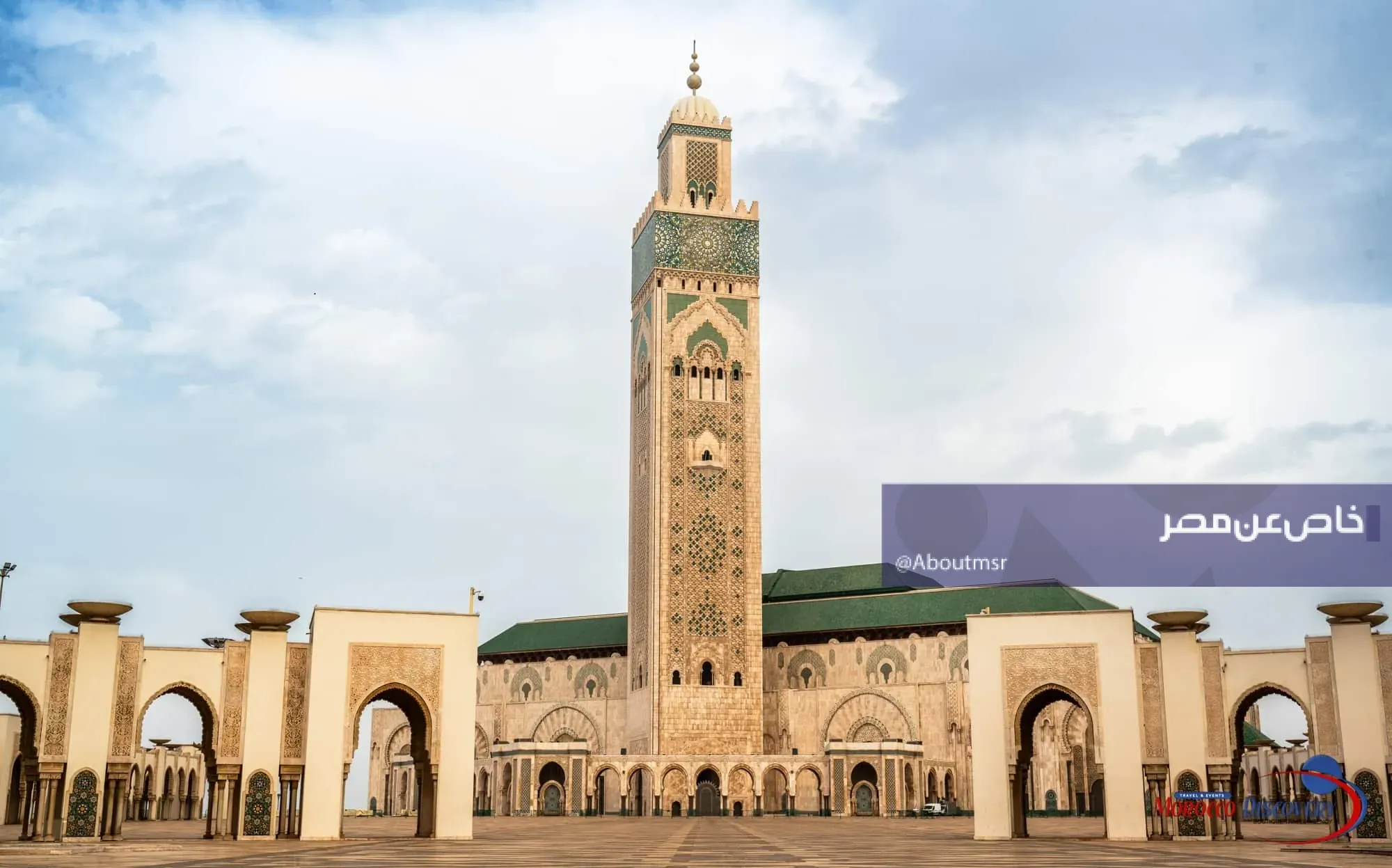
Morocco has emerged as a cultural beacon in the Arab world, leading the region with a total of nine UNESCO World Heritage Sites. This remarkable achievement underscores the rich historical tapestry and diverse cultural heritage that the country possesses. The journey towards this prestigious recognition began back in 1981 with the inclusion of the ancient city of Fes, and has continued through decades of dedicated work and documentation. Today, Morocco stands as a prominent example of how to preserve human heritage in accordance with stringent international standards.
A Competitive Cultural Landscape
In the realm of UNESCO listings, Morocco shares the top spot with Tunisia, while Saudi Arabia follows closely behind with eight recognized sites. Jordan, Egypt, and Algeria each boast seven sites, highlighting a vibrant cultural competition within the region. This ranking not only reflects the investments made in safeguarding historical landmarks but also reveals the varying national policies regarding heritage documentation and preservation.
UNESCO employs precise criteria when designating sites for inclusion, requiring each site to exhibit an "exceptional universal value"—whether through human creativity or as a testament to the interactions between civilizations over time. This includes natural aspects, acknowledging sites of significant environmental or scientific importance, thus blending cultural and natural values into the heritage narrative.
The first Moroccan site to gain entry into the UNESCO list was the ancient city of Fes, renowned for its rich architectural fabric, which includes religious schools, mosques, and bustling markets, making it a living example of historical Islamic cities. Marrakech, founded in the 11th century, is another key site, showcasing political and cultural significance in the Western Islamic world, with its landmarks like the Koutoubia Mosque and the iconic Jemaa el-Fnaa square, which embody the unique blend of daily life and immaterial heritage.
Moreover, the Ait Benhaddou kasbah stands out as a prime example of traditional Moroccan architecture, with its earthen buildings enclosed within defensive walls, reflecting the lifestyle of the desert regions. Historical cities like Meknes and the archaeological site of Volubilis reveal the richness of both Islamic and Roman histories, showcasing how these cultures intertwined to create a distinctive Moroccan identity.
Other notable sites include the ancient city of Tetouan, which illustrates the Andalusian influence following the migration of Muslims from Spain, and Essaouira, a coastal city designed with European military architecture. The historical Mazagan city serves as a testament to Portuguese colonial influence in the 16th century, where military fortifications and churches retain their European character while blending with Moroccan elements.
Rabat, Morocco's capital, presents a unique case where historical and modern elements coexist, with urban features designed in the 20th century. This harmonious fusion of old and new has garnered international acclaim, reflecting a vision that maintains cultural identity while embracing development. The nine UNESCO sites collectively exhibit a profound cultural diversity that spans thousands of years, encompassing Berber, Arab, Andalusian, African, and European influences, thus positioning Morocco as a continuous meeting point of civilizations.
As reported by aboutmsr.com.