Morocco's Ambitious Hotel Expansion Plan
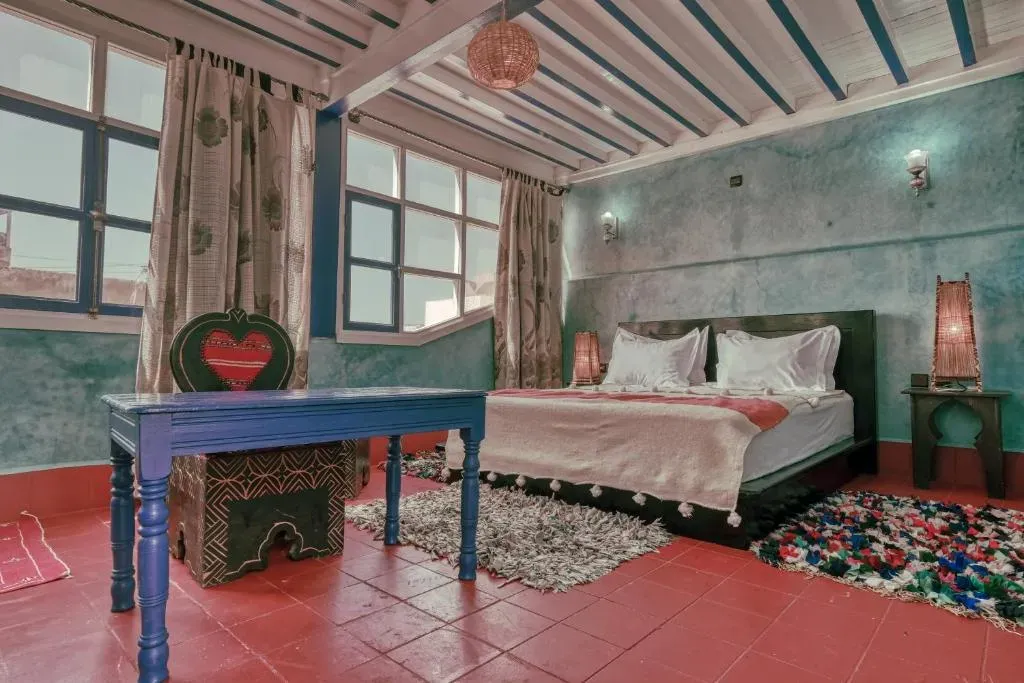
In a strategic move to bolster its tourism sector ahead of the highly anticipated 2030 FIFA World Cup, Morocco has announced plans to increase its hotel bed capacity by an impressive 60,000. This expansion represents a significant 20% rise over the nation's current hotel capacity. According to Tourism Minister Fatim-Zahra Ammor, this initiative is part of a broader vision to ensure that Morocco is well-prepared to co-host the World Cup alongside Spain and Portugal. In her remarks to Reuters, Ammor emphasized that the upcoming tournament is seen as a catalyst for growth rather than a concluding event.
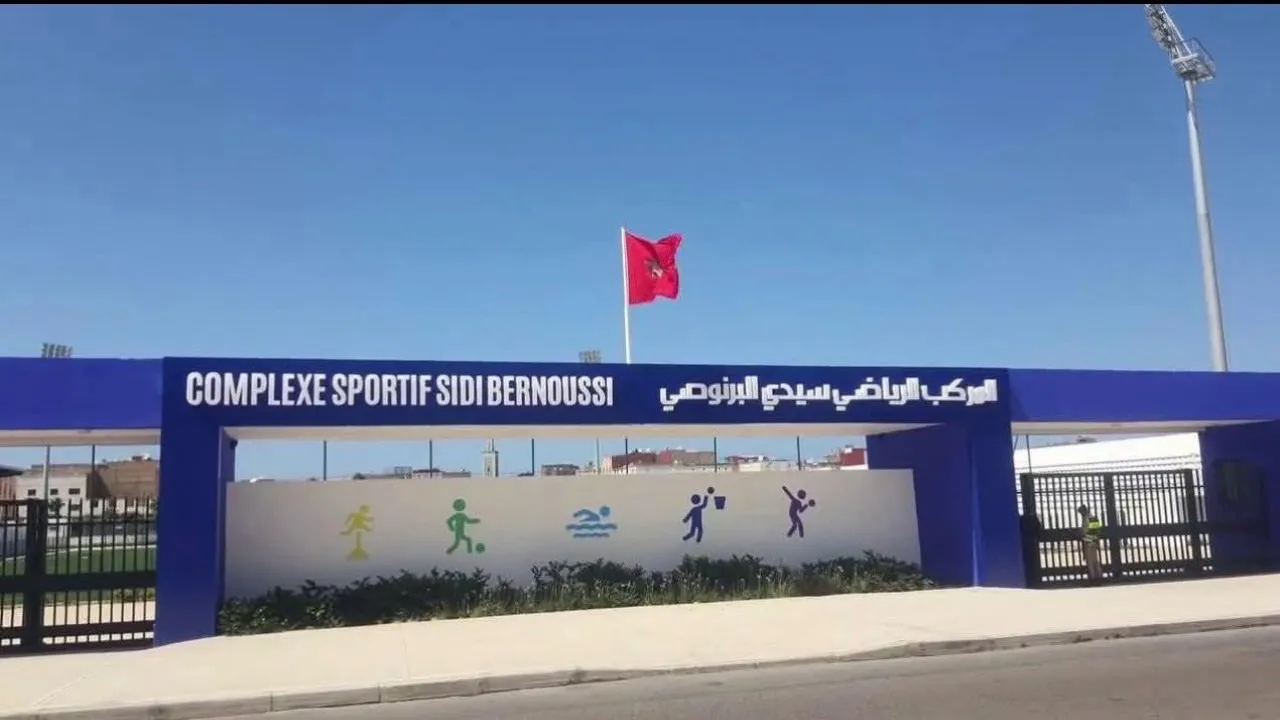
The Moroccan government is committing over 190 billion dirhams (approximately $20 billion) toward various infrastructure projects, which include enhancements to transportation systems, airport facilities, stadiums, and urban developments. Ammor highlighted the necessity of making investments that deliver enduring benefits to Morocco's tourism landscape, aiming to create a lasting impact that extends beyond the World Cup.
Tourism Growth and Future Prospects
Over the last four years, Morocco has already added 45,000 hotel beds, raising its total capacity to just over 300,000. The country's ambitious goal is to attract approximately 26 million tourists by 2030, a notable increase from nearly 20 million visitors recorded last year. The next phase of growth will focus on diversifying tourist demographics, particularly targeting visitors from China, the United States, and the Middle East. This expansion will be supported by improved air connectivity and efforts to promote tourism in regions beyond the traditional hotspots of Marrakech and Agadir.
This strategic investment in hotel infrastructure is not just about meeting the immediate demands of the World Cup but is also indicative of Morocco's long-term vision to enhance its status as a premier tourist destination. By elevating its accommodation offerings and broadening its appeal, Morocco aims to solidify its place on the global tourism map, creating a vibrant and sustainable environment for future visitors. As reported by en.yabiladi.com.