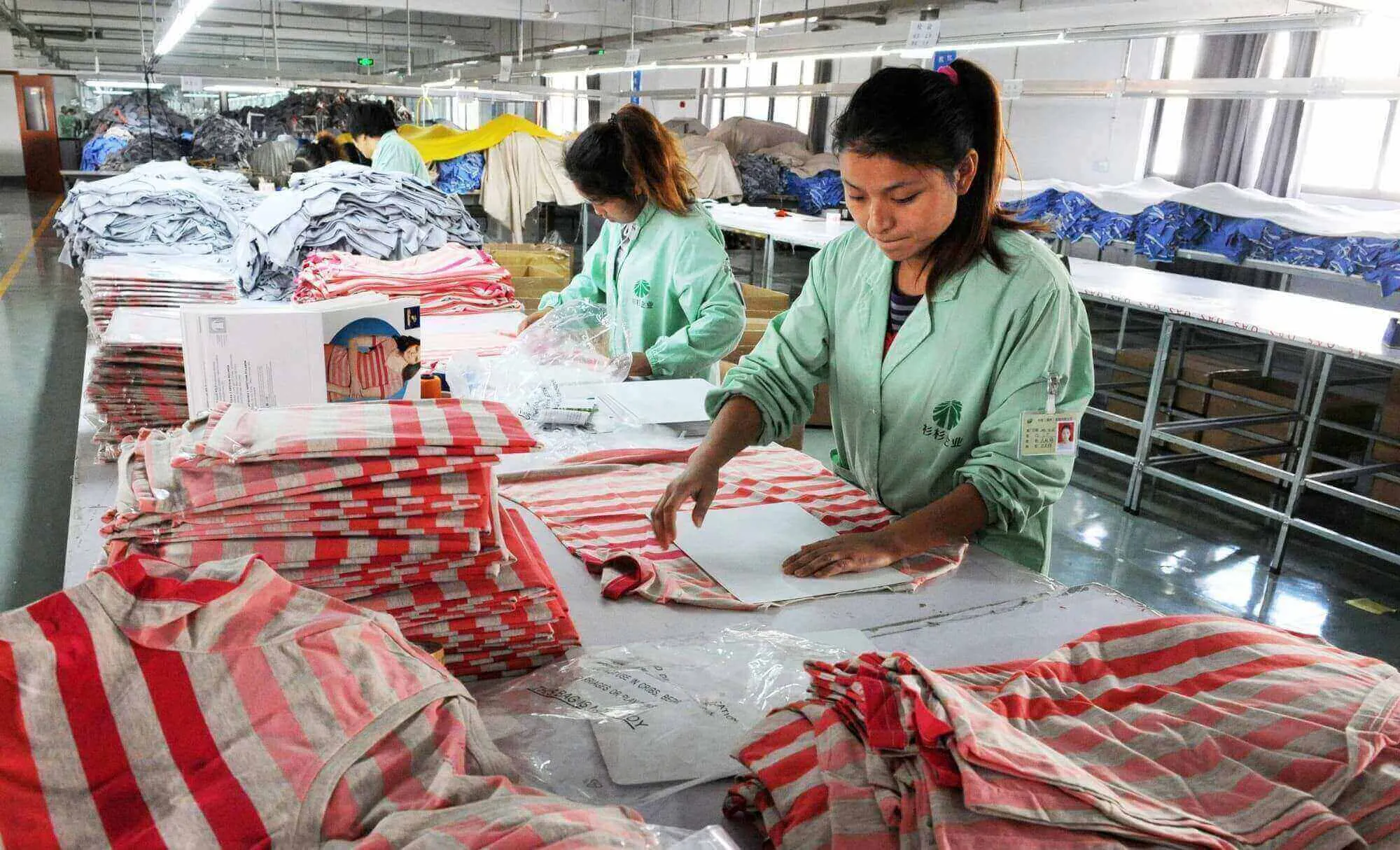
Morocco's Response to Industrial Dumping Threats
Morocco has intensified its protective trade actions amid rising concerns over what it perceives as an increasing wave of "industrial dumping" from Asian and regional markets. The Ministry of Industry and Trade has officially launched an investigation to combat dumping practices against imports of fabrics designated for blanket production from China and Egypt. This move highlights the mounting pressures faced by Moroccan industries linked to textiles and industrial transformation, as fears escalate regarding the potential loss of national production units' competitive edge within the local market.
The newly announced investigation, detailed in a public notice dated May 22, 2026, targets imports of long-pile fabrics made from synthetic fibers, primarily intended for the production of both heavy and light blankets. Moroccan authorities have gathered sufficient documented evidence indicating a "very high dumping margin" that significantly exceeds the internationally accepted minimum threshold of just 2 percent.
This development comes at a time when a growing debate within Moroccan industrial circles revolves around the impact of trade liberalization and free trade agreements on certain local production sectors, particularly those burdened with higher operating costs compared to Asian competitors. Moroccan industrialists have repeatedly raised concerns about the influx of low-priced foreign products, which they claim are sometimes sold below their actual production costs, further jeopardizing local industries.
Details of the Investigation and Its Implications
The investigation was initiated following a formal complaint lodged by two Moroccan companies, "Mazafil" and "Cosyfil," which accused Chinese and Egyptian imports of flooding the Moroccan market with fabrics sold at "unnatural" prices significantly lower than their true value in their countries of origin. The companies argue that such practices pose a direct threat to the sustainability of national production and hundreds of jobs associated with the blanket and textile industry in the kingdom.
The fabrics in question are long-pile knitted materials made from 100 percent polyester, whether dyed or printed, and are marketed in rolls exceeding 150 centimeters in width. This raw material is essential for Moroccan blanket factories catering to both local and some international markets. According to the official document, the complaint's data revealed that products imported from China and Egypt are sold in Morocco at prices distinctly lower than the "normal value" established in the markets of the exporting countries—an approach used by international trade laws to substantiate claims of trade dumping.
For China, the estimates were based on local sales invoices and export bills adjusted to align with the "ex-factory" price, while for Egypt, the normal value was reconstructed from production costs, including administrative and commercial expenses, along with a "reasonable" profit margin. In both cases, the ministry concluded that a "very high dumping margin" exists.
Since 2022, Morocco has witnessed a continuous rise in the volume of these fabric imports from China and Egypt, coinciding with significant "underpricing" levels compared to domestic product prices. Moroccan authorities view this trend as a grave indicator of unequal competition that threatens the economic balance of the local industrial sector. Industrial circles warn that the continuation of this situation could weaken numerous Moroccan production units, particularly small and medium enterprises, which are already grappling with escalating pressures related to energy, transport, taxes, and financing costs, alongside foreign products that often benefit from direct or indirect subsidies in their home countries.
The Ministry of Industry and Trade believes that the influx of these low-priced imports could directly impact the economic performance of national companies in terms of turnover, profits, investment capacity, and job preservation, particularly in the textile sector, which is one of the largest industrial employment sectors in Morocco, linked to extensive production chains involving spinning, weaving, sewing, and distribution.
After reviewing the case, and in accordance with Article 17 of Law No. 15.09 concerning trade defense measures, the ministry deemed the complaint "acceptable and sufficiently supported by evidence," leading to the decision to initiate the investigation following a meeting of the Import Control Committee held on May 8, 2026. The upcoming phase of the investigation will aim to accurately verify the existence, extent, and impacts of dumping on national industry by collecting detailed data from foreign exporters, Moroccan importers, and local producers before issuing a final decision regarding the imposition of anti-dumping duties on the concerned imports.
If the investigation's findings are confirmed, Morocco may impose additional tariffs on these imports to "restore balance" to the national market and ensure competition conditions that the Moroccan government considers "fair" for local manufacturers. This case is part of a growing series of trade defense measures that Morocco has adopted in recent years in an increasingly stringent context regarding imports deemed harmful to national industry. The kingdom has previously imposed anti-dumping duties on Egyptian PVC and initiated investigations against imports of Chinese LED lights and wooden panels from both China and Indonesia, indicating a gradual shift in Morocco's trade policy towards a more protective stance for certain strategic sectors.
This shift reflects a rising official recognition that maintaining the national industrial fabric can no longer rely solely on trade openness policies but must also involve utilizing the trade protection tools available under World Trade Organization regulations, especially amidst intensifying international competition, a slowing global economy, and increasing pressures on local production chains. Furthermore, this case places Morocco's trade relations with both China and Egypt under a new economic test, considering that these countries are among Morocco's key trading partners across various industrial sectors, while the Moroccan government seeks to protect its local industries from practices it views as "distortions of competition" within the national market.
As reported by assahifa.com.