Transforming Foreign Trade through Digital Innovation
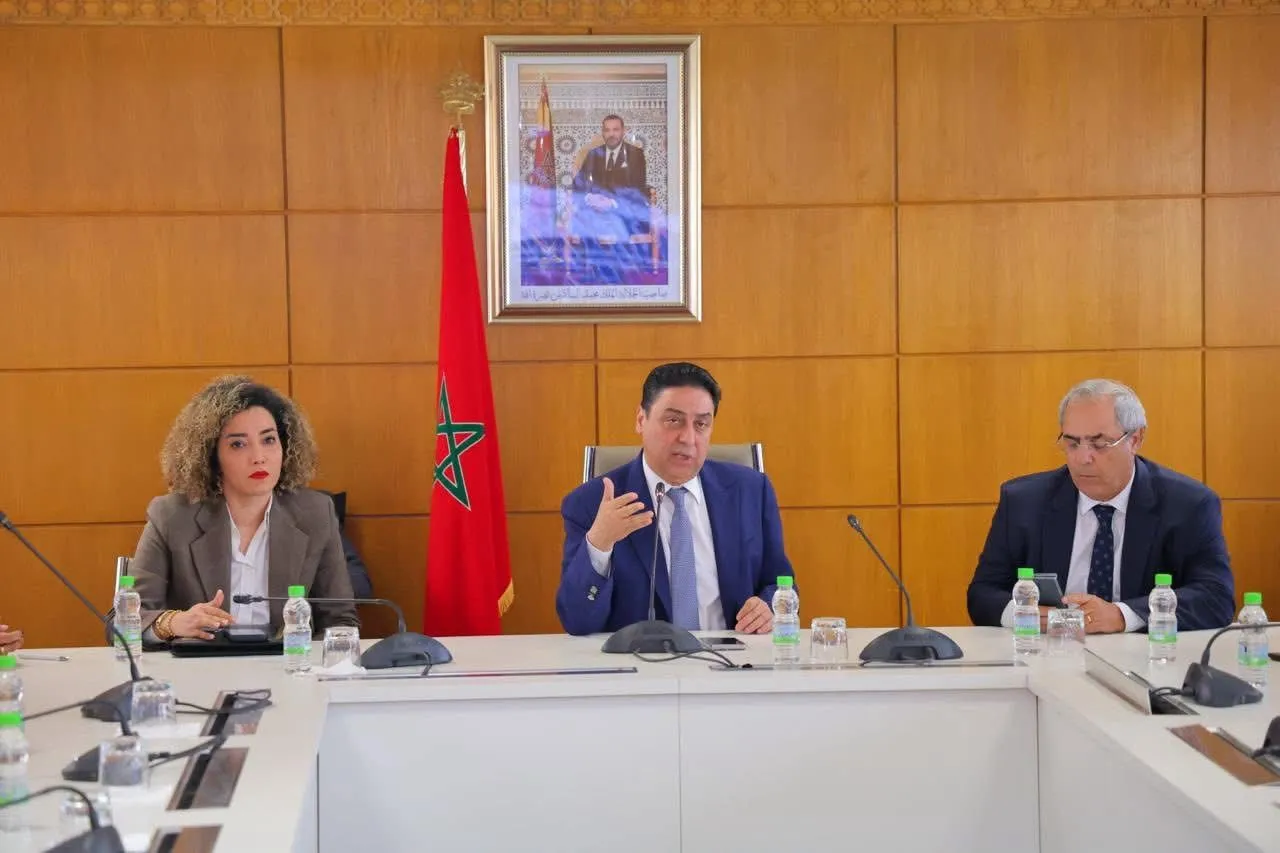
In a significant move to enhance its foreign trade landscape, Morocco is preparing to unveil a comprehensive portal dedicated to foreign trade procedures. This initiative was discussed during a meeting led by Omar Hejira, the Secretary of State to the Minister of Industry and Trade, who is responsible for Foreign Trade. The gathering, which took place on Friday, assembled key stakeholders from both the public and private sectors, including notable representatives from leading professional organizations like the Moroccan Confederation of Exporters (ASMEX) and the General Confederation of Moroccan Enterprises (CGEM).
Hejira announced that the anticipated launch of the unified export portal is scheduled for next month. This portal has been meticulously developed over the past eighteen months, stemming from over sixty coordination meetings aimed at streamlining foreign trade operations. The meeting underscored the vital collaboration between institutional players and private sector stakeholders, all geared towards propelling the digital transformation of foreign trade procedures.
The introduction of this digital platform is expected to significantly enhance Morocco's competitiveness in international markets. By integrating digital tools into foreign trade operations, the country aims to improve efficiency, reduce procedural delays, and create a more conducive business environment. Hejira emphasized the necessity of aligning with global trends, stating, "Digitalization is no longer optional or merely decorative; it is essential. Without it, accessing global markets becomes extremely difficult." This reflects Morocco's commitment to placing digitization at the forefront of its foreign trade strategies.
Through the new portal, various procedures including import licensing, inspection processes for industrial and food products, customs integration, electronic payments, and advance cargo declarations will be facilitated online. The portal is set to expand its offering, aiming to digitize over 120 services while interconnecting 50 public and private institutions. Furthermore, it will encompass all Moroccan ports and airports, ensuring seamless coordination throughout the logistics chain.
The long-term vision for this initiative is to establish a fully integrated national single-window system that will serve as a single entry point for all foreign trade procedures, thereby simplifying the process for businesses. In parallel, new digital tools are being developed to support local enterprises. The “Tijaria” platform, which leverages artificial intelligence, has already registered around 875 users since its inception about a year ago, assisting over 500 importers and exporters. This platform not only facilitates access to crucial trade-related information but is also expanding its services to provide remote training for novice exporters, thus fostering a more knowledgeable trading community.
As reported by moroccoworldnews.com.