Morocco's Ambitious Initiative for Digital Transformation in Foreign Trade
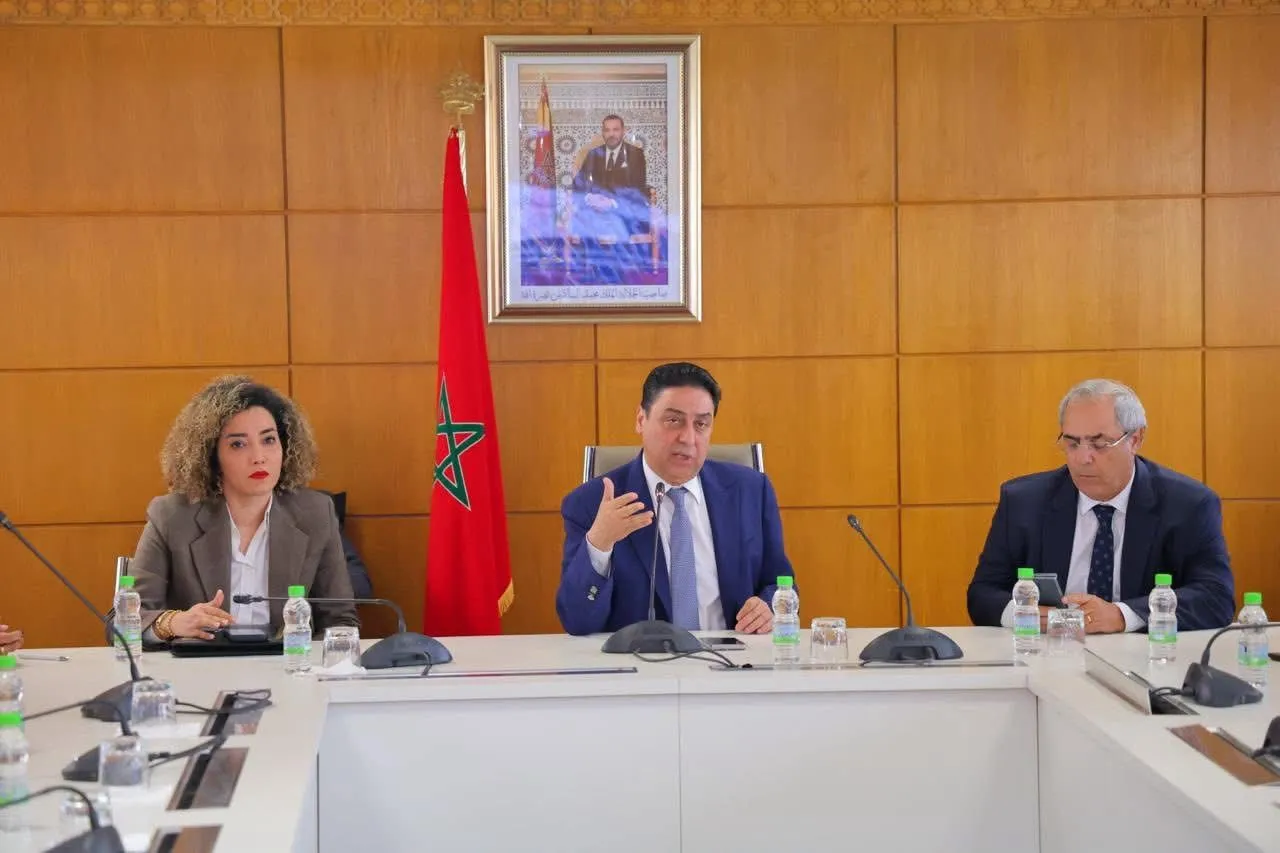
In a significant move towards enhancing the country's global trade capabilities, Omar Hejira, the Secretary of State to the Minister of Industry and Trade in charge of Foreign Trade, convened a crucial meeting to lay the groundwork for the launch of a new Moroccan portal dedicated to foreign trade procedures. This initiative is expected to streamline and digitize various aspects of foreign trade, ensuring that Morocco remains competitive in the international market. The meeting, attended by key representatives from both the public and private sectors—including notable organizations such as the Moroccan Confederation of Exporters (ASMEX) and the General Confederation of Moroccan Enterprises (CGEM)—underscored the collaborative effort necessary for this ambitious project.
Hejira emphasized that the unified export portal, which has been in development for the past eighteen months and has involved over sixty coordination meetings, is set to be officially launched next month. This portal is designed to facilitate a wide array of foreign trade operations, significantly boosting national competitiveness by enhancing efficiency, reducing delays, and improving the overall business environment. During the Council of Councillors session, Hejira remarked on the critical importance of digitalization, stating, "If Morocco does not align with international trends, it cannot remain competitive. Digitalization is no longer optional; it is essential for accessing global markets." This statement reflects a strong commitment to placing digitization at the core of Morocco's foreign trade strategy.
The new portal will allow for various procedures—including import licensing, inspection processes for both industrial and food products, customs integration, electronic payments, and advance cargo declarations—to be conducted online. This digital initiative is expected to increase its reach, with over 120 services set to be digitalized and connections established between 50 public and private institutions. Furthermore, it will encompass all Moroccan ports and airports, facilitating seamless coordination throughout the logistics chain.
In parallel with the launch of the new portal, innovative digital tools are emerging to further support businesses engaged in foreign trade. One such tool is the "Tijaria" platform, which leverages artificial intelligence and has already attracted around 875 users since its inception a year ago. This platform has proven beneficial for over 500 importers and exporters by providing easy access to trade-related information and expanding its offerings to include remote training for novice exporters. Overall, these developments signify Morocco's proactive approach to embracing digital transformation in foreign trade, which is essential for maintaining a competitive edge in an increasingly interconnected global market.
As reported by moroccoworldnews.com.