Morocco Advocates for Integrated Approaches to Migrant Inclusion
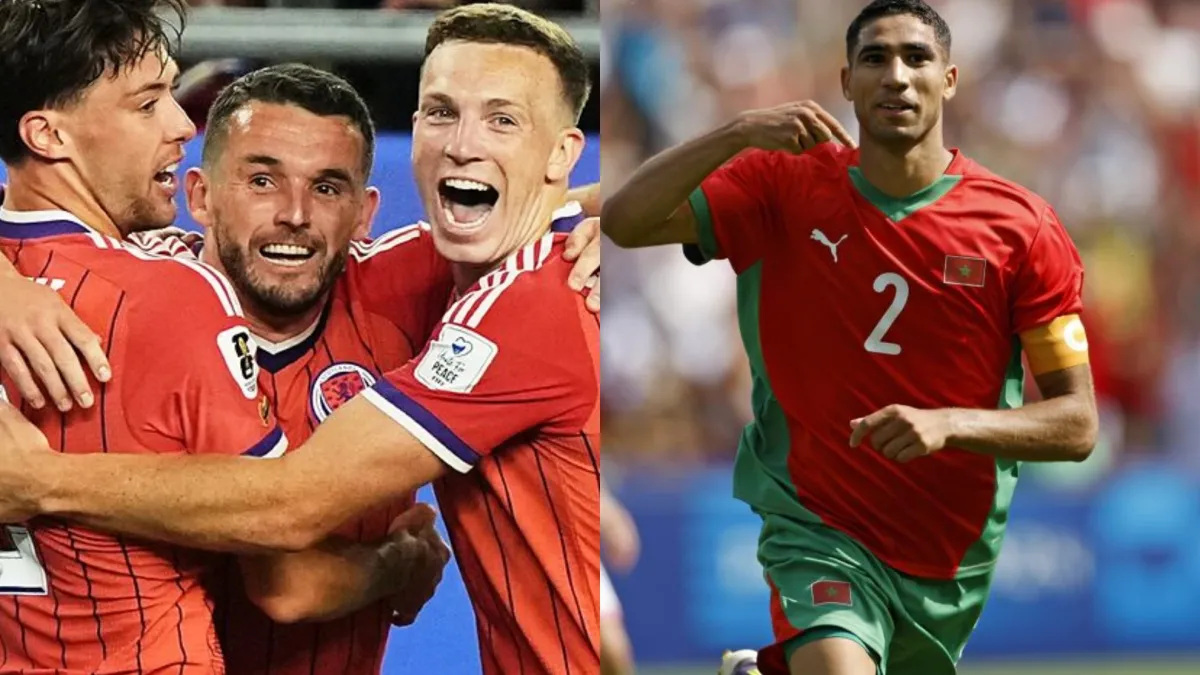
On June 16, 2026, Morocco emphasized the need for a comprehensive approach to integrate migrants and refugees, positioning football as a powerful tool to enhance social cohesion and combat xenophobia. This call to action was made during a parallel event at the 62nd session of the United Nations Human Rights Council in Geneva. The Moroccan ambassador to the UN in Geneva, Omar Zniber, stated that football transcends mere entertainment, serving as a platform that fosters shared spaces built on common rules, collective efforts, and universal human emotions.
Zniber elaborated on how the football field can bridge gaps related to nationality, language, or legal status, promoting values like teamwork, trust, and discipline. This transformation allows for the evolution of strangers into partners within a unified team, fostering a sense of belonging among vulnerable populations. He cited various UN reports and studies that illustrate the positive impact of sports activities on the well-being of refugees and migrants, facilitating their social and professional integration. Participants in these sports programs have been shown to be more successful in building social networks and enhancing their presence in host communities.
Morocco views football as a cross-sectoral tool within its migration policies, providing opportunities for accelerated integration, protecting vulnerable groups, empowering youth, and strengthening ties with diaspora communities. This perspective also highlights football’s role in countering fear-based narratives and xenophobia. Zniber reminded attendees of Morocco's partnership with the International Organization for Migration to launch the "Friends of Sports and Migration" initiative in Geneva, aimed at encouraging dialogue between nations and enhancing the role of sports in public policies associated with migration and integration.
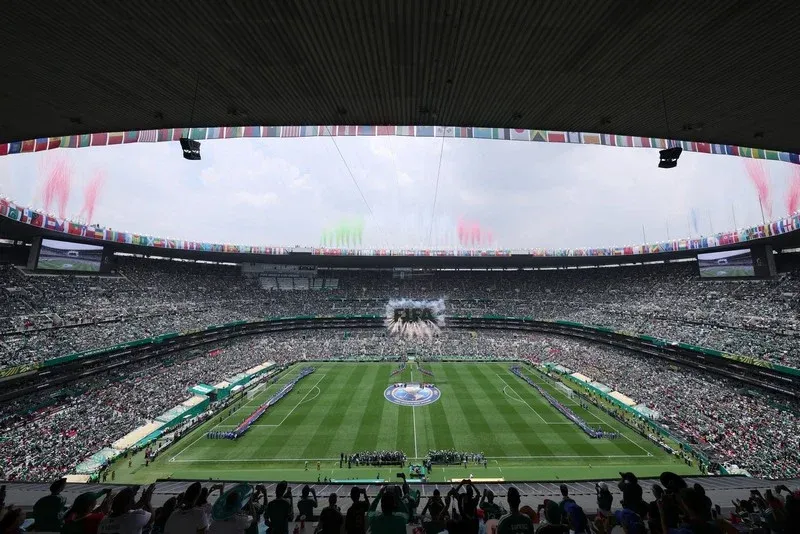
This initiative is part of a broader strategy to ensure that sports occupy a practical space within public policies, complementing essential rights and services rather than serving as a substitute. The Moroccan ambassador also referenced the upcoming 2030 World Cup, which Morocco will co-host with Spain and Portugal, viewing it as an opportunity to strengthen connections among continents, communities, and generations while showcasing football’s potential to contribute to the development of more inclusive and diverse societies.
During this event, titled "Football as a Tool for Integrating Refugees and Migrants," representatives from Morocco, Mexico, Canada, Spain, and Portugal participated alongside officials from the UN High Commissioner for Refugees, the UN Human Rights Commission, the Center for Sport and Human Rights, and the Special Rapporteur on the Rights of Migrants. Discussions centered on leveraging football to promote social integration and strengthen connections between migrants, refugees, and host communities, emphasizing the importance of disseminating positive narratives about migrants’ contributions and fostering trust and dialogue among various social groups, as well as sharing successful experiences among countries and international organizations.
As reported by hespress.com.