Morocco's Aspiration to Become a Drone Manufacturing Powerhouse
Situated just east of Casablanca, the Benslimane industrial zone in Morocco is rapidly transforming into a significant center for drone manufacturing, showcasing both indigenous technology and advanced models such as Türkiye's Bayraktar unmanned aerial vehicles. Over recent years, Morocco has invested substantial resources and skilled personnel to position itself as a vital contributor to the global drone market. Local enterprises, including Aerodrive Engineering Services, are establishing their foothold alongside international players. Notably, French and Israeli drone manufacturers have joined their Turkish and British counterparts in this burgeoning market.
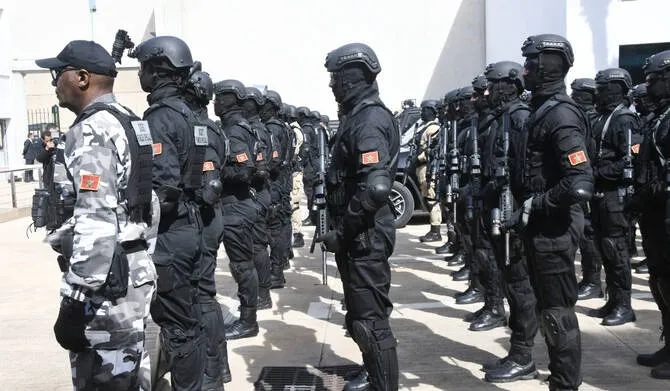
In 2025, Morocco took a pivotal step by granting licenses for ten drone projects, collectively valued at over $260 million. National Defense Administration chief Abdellatif Loudiyi articulated the vision during a parliamentary session, aiming to cultivate a domestic industrial base capable of supplying the Moroccan military while also producing technology for export. This ambitious plan not only involves the manufacturing of drones but also positions Morocco as a regional drone training center for African militaries, particularly in conjunction with Exercise African Lion 2026. This training initiative will focus on collecting and analyzing operational data, which in turn will enhance electronic warfare technologies.
Strategic Developments in Drone Technology and Domestic Security
Analysts assert that Morocco's objective to emerge as a leader in drone technology is a continuation of its historical role as a hub for aerospace companies, including major players like Boeing and Lockheed Martin from the United States, as well as France's Safran. Enrique Fernández, writing for the Spanish news outlet Atalayar, highlighted that Morocco's pursuit of drone technology is closely linked to its national security concerns. He noted that the urgency to master this technology is a direct response to the country's border dynamics.
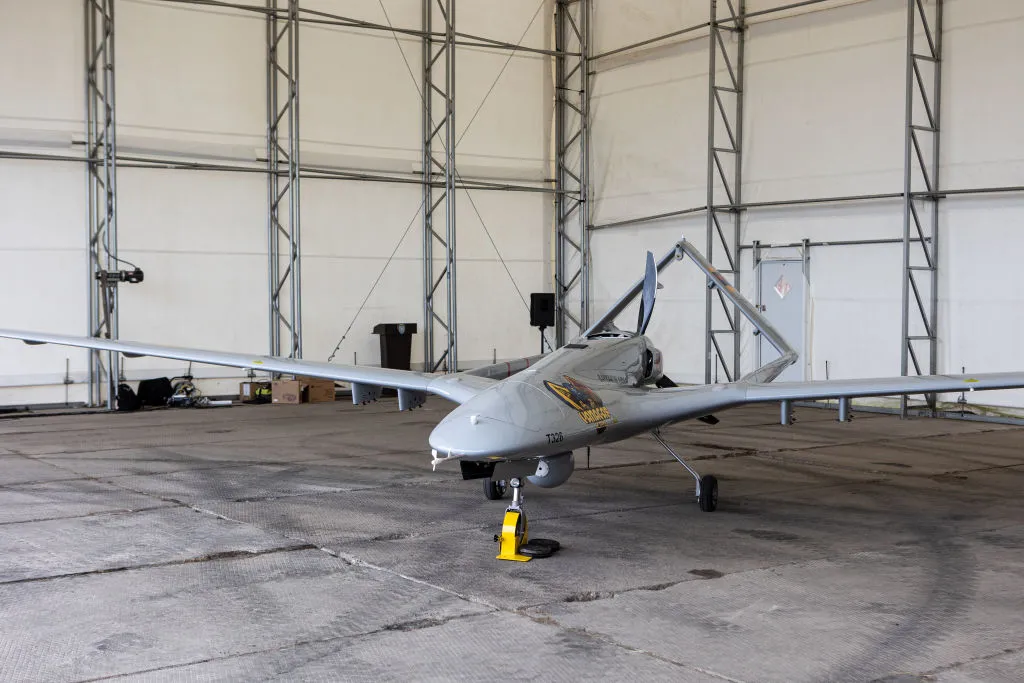
In 2021, Morocco made headlines by signing a $70 million contract to procure 13 Bayraktar TB2 drones, with the first batch delivered that same year. By August 2024, the military announced the acquisition of additional Bayraktar TB2 units, and by 2025, Morocco had received the advanced Akinci drones from Baykar. The establishment of a drone facility in Morocco by Baykar not only brings their products closer to African clients for expedited delivery but also suggests a broader ambition to supply other regional nations.
Simultaneously, Aerodrive Engineering Services is making strides with the launch of its Atlas Istar drones, intended for military intelligence operations in 2024. Plans are underway to manufacture 500 one-way attack drones (OWA-UAV) at the Benslimane facility by 2027. The Atlas Istar represents Morocco's first domestically produced military drone, a milestone described on Aerodrive's LinkedIn page as a significant achievement in developing a cutting-edge unmanned aerial system for military surveillance and intelligence-gathering operations.
Experts believe that the development of homegrown drones will not only diminish Morocco's reliance on foreign suppliers but also enhance its economic stature within the region. Abderrahmane Mekkaoui, a Moroccan security expert, emphasized the importance of self-sufficiency in arms production, stating, "Any arms-producing state is able to defend itself independently and respond to various external risks and challenges, especially amid the tensions the world is witnessing. Without that capacity, the task becomes far harder." This ongoing transformation in Morocco's drone industry underscores its commitment to advancing national security and economic independence.
As reported by adf-magazine.com.