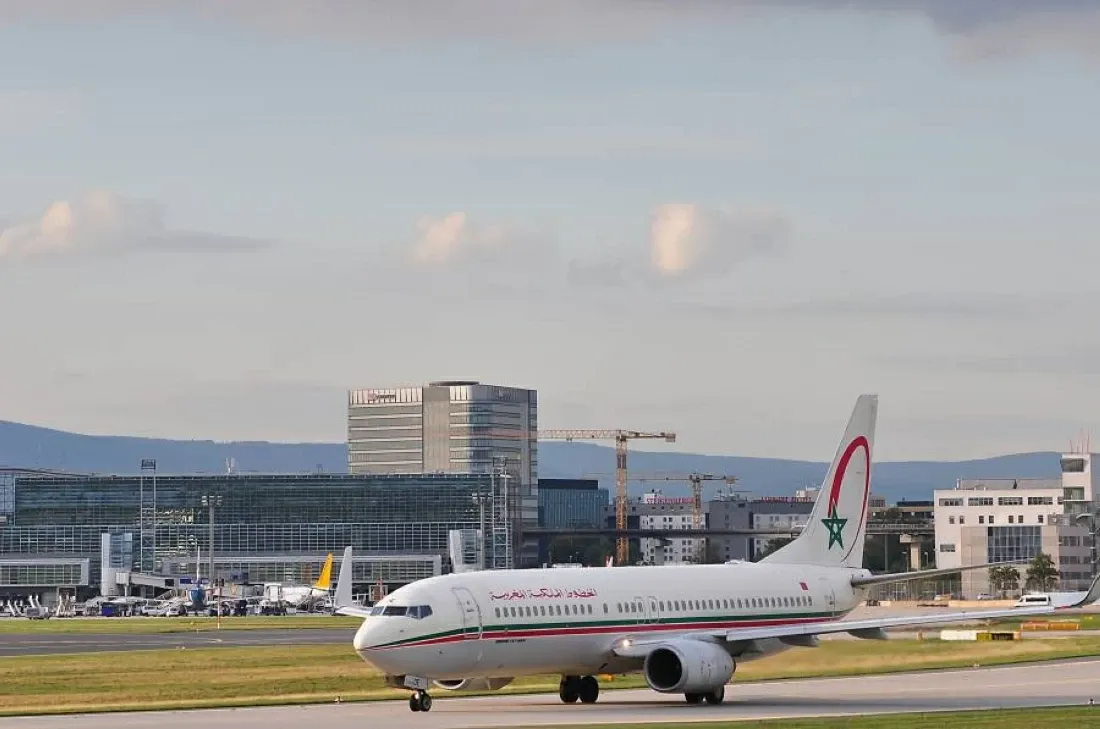
Morocco's Royal Air Lines Contemplates Route Closures
In light of the relentless surge in jet fuel prices, Royal Air Maroc (RAM) is currently evaluating the potential closure of several air routes. This decision stems from a significant increase in kerosene costs, which has been described as unsustainable for the airline’s operations, according to a source familiar with the situation who spoke to the local news outlet Hespress. The airline is primarily focusing on newly launched routes or those slated for inauguration, in addition to existing lines that are underperforming economically.
The source highlighted that certain routes currently suspended—particularly those connecting Morocco to Dubai in the UAE and Doha in Qatar—may see additional suspensions if cost pressures persist. This strategic pivot reflects a broader global trend among airlines, which are re-evaluating their operational networks by reducing flight frequencies or discontinuing certain routes to manage fuel consumption effectively amid soaring prices.
Impact of Fuel Prices on Airline Operations
Recent reports indicate that jet fuel prices have skyrocketed, exceeding a 100% increase compared to pre-war levels, specifically before the U.S.-Israeli conflict with Iran. Data from April shows that fuel prices in Europe reached approximately $1,838 per ton, in stark contrast to the $831 per ton recorded prior to the outbreak of the war. In response to this financial strain, RAM plans to implement a series of measures aimed at curtailing fuel consumption. These include the potential elimination of specific routes, temporary grounding of aircraft, or redirecting them to more profitable and cost-effective routes to mitigate financial losses.
The source also cautioned that new routes typically require a considerable period to become profitable, making them particularly vulnerable to cancellations or delays under the current circumstances. Additionally, there are concerns that international airlines may also reduce their flights to Morocco, which could have adverse repercussions for the country's tourism sector.
Moreover, the head of the International Energy Agency has warned of a potential jet fuel shortage in Europe in the coming weeks, noting that the continent's reserves are sufficient for only about six weeks. This situation could further complicate the operational landscape for airlines.
As reported by cnnbusinessarabic.com.