Morocco's Rising Football Legacy
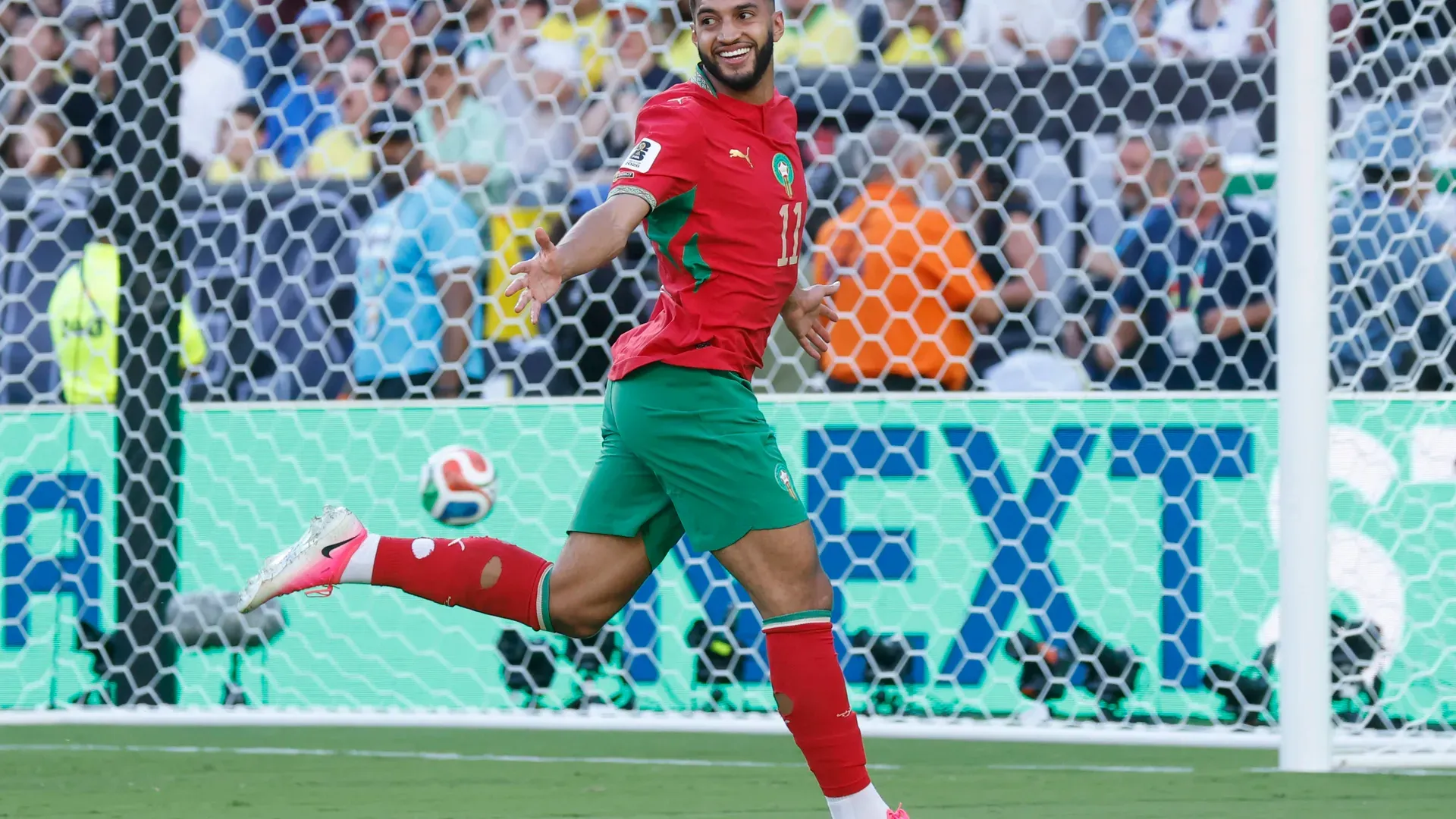
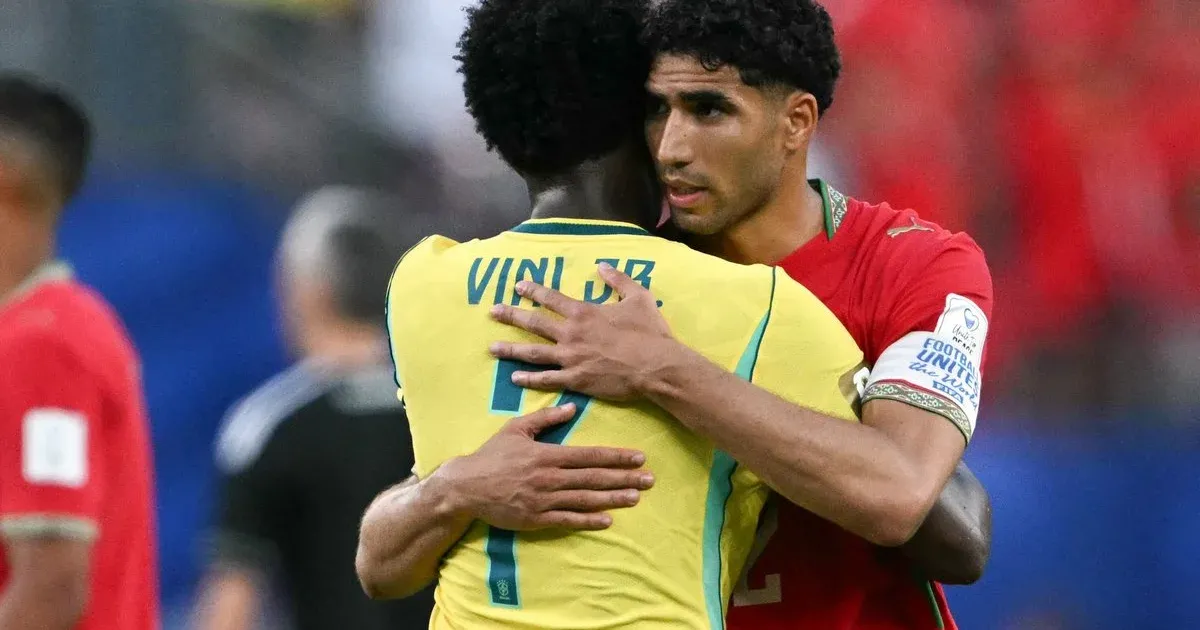
Morocco has undeniably showcased its capability to challenge traditional football powerhouses, as evidenced by their recent performance against Brazil, where they displayed remarkable vigor and skill, resulting in a well-deserved 1-1 draw. Ismael Saibari opened the scoring for Morocco in the 21st minute, capitalizing on a well-coordinated counterattack before Vinicius Júnior produced a moment of brilliance to equalize for Brazil in the 32nd minute. This match marked an exciting start to Group C, with both teams leaving the pitch with questions unanswered.
Brazil's coach, Carlo Ancelotti, reflected on the game, noting, "It was a difficult match against a good team," acknowledging the disjointed nature of his team's performance, which was frequently overwhelmed by Morocco's speed and dynamism. Morocco initiated the match with great intensity, skillfully maneuvering the ball along the flanks, creating numerous scoring opportunities through players like Achraf Hakimi and Bilal El Khannouss, while Brazil attempted to counter effectively. The Moroccan team consistently penetrated the Brazilian midfield, exploiting gaps and showcasing the exceptional talent of young players like Ayyoub Bouaddi.
The Evolution of Moroccan Football
Morocco represents a new reality in elite football, with many players being children of the significant African diaspora in Europe during the late 1990s and early 2000s. These young athletes have developed a unique identity—European yet deeply connected to their cultural roots. They grew up idolizing major European clubs and their star players, receiving their training in top leagues while maintaining a bond with their heritage. Among the squad in this World Cup, 19 players were born in Europe, highlighting this evolution.
This shift has significantly transformed the profile of Moroccan football, a nation with two African Cup of Nations titles and a third-place finish at the African Nations Championship. Their most notable achievement came during the 2022 World Cup in Qatar, where they reached the semi-finals after eliminating both Spain and Portugal, ultimately finishing fourth after a loss to France, who went on to become the tournament's runners-up.
It was not surprising to see Morocco controlling the pace and applying pressure during the game's initial quarter, organized into segments reminiscent of a different style of play adored by American fans. These breaks, ostensibly for player hydration, disrupt the classic rhythm of football while providing ideal spaces for advertisements. However, Morocco's first-half performance was not merely a display of youthful enthusiasm; it reflected the tactical acumen honed by players competing in some of the world's leading leagues.
Morocco struck first with a swift counterattack involving just three touches. A long pass from Brahim Díaz found Ismael Saibari, who launched a shot from outside the box, finding the back of the net. Saibari, born in Spain and currently playing for PSV Eindhoven, had received an invitation to join the Belgian national team but expressed his unwavering commitment to Morocco, demonstrating his strong convictions shaped by overcoming congenital challenges in his youth.
Following the hydration break, Brazil managed to regain composure, countering the frenetic pace imposed by Morocco. With the expertise reminiscent of past champions, Brazil slowed the game down, not to lull themselves into complacency but to establish their signature style of play, characterized by intricate ball movement and teamwork. Just ten minutes after conceding the goal, they equalized, thanks to Vinicius Júnior's individual brilliance, as he cut into the box and fired a precise right-footed shot into the far corner.
The first half saw a balanced contest, with both teams sharing possession and creating opportunities. Brazil, however, finished the half stronger, producing exquisite moments such as a stunning scissors kick from Lucas Paquetá, which was skillfully saved by Moroccan goalkeeper Bono. Ancelotti, the Italian manager making his World Cup coaching debut, had to consider tactical adjustments, especially with players like Casemiro and Roger Ibáñez at risk of suspension.
Morocco also relied on their bench to rejuvenate their efforts in the second half, returning to impose their game plan with sustained pressure and initiative, yet occasionally facing the collective talent and coordination of Brazil's five-time champions.
Brazil’s President, Luiz Inácio Lula da Silva, conveyed a message to Ancelotti and the national team, urging them to play with spirit, determination, and heart. He emphasized, "Let Ancelotti demand grit and effort from you. You are playing for the Brazilian people, for the young boys and girls dreaming of winning the hexachampionship." Lula's words echoed a call for the players to not only showcase their skills but to play with passion, reminding them to rise after setbacks and reclaim the ball from their adversaries.
As reported by jornada.com.mx.