Morocco's Historic Lineup at the 2026 World Cup
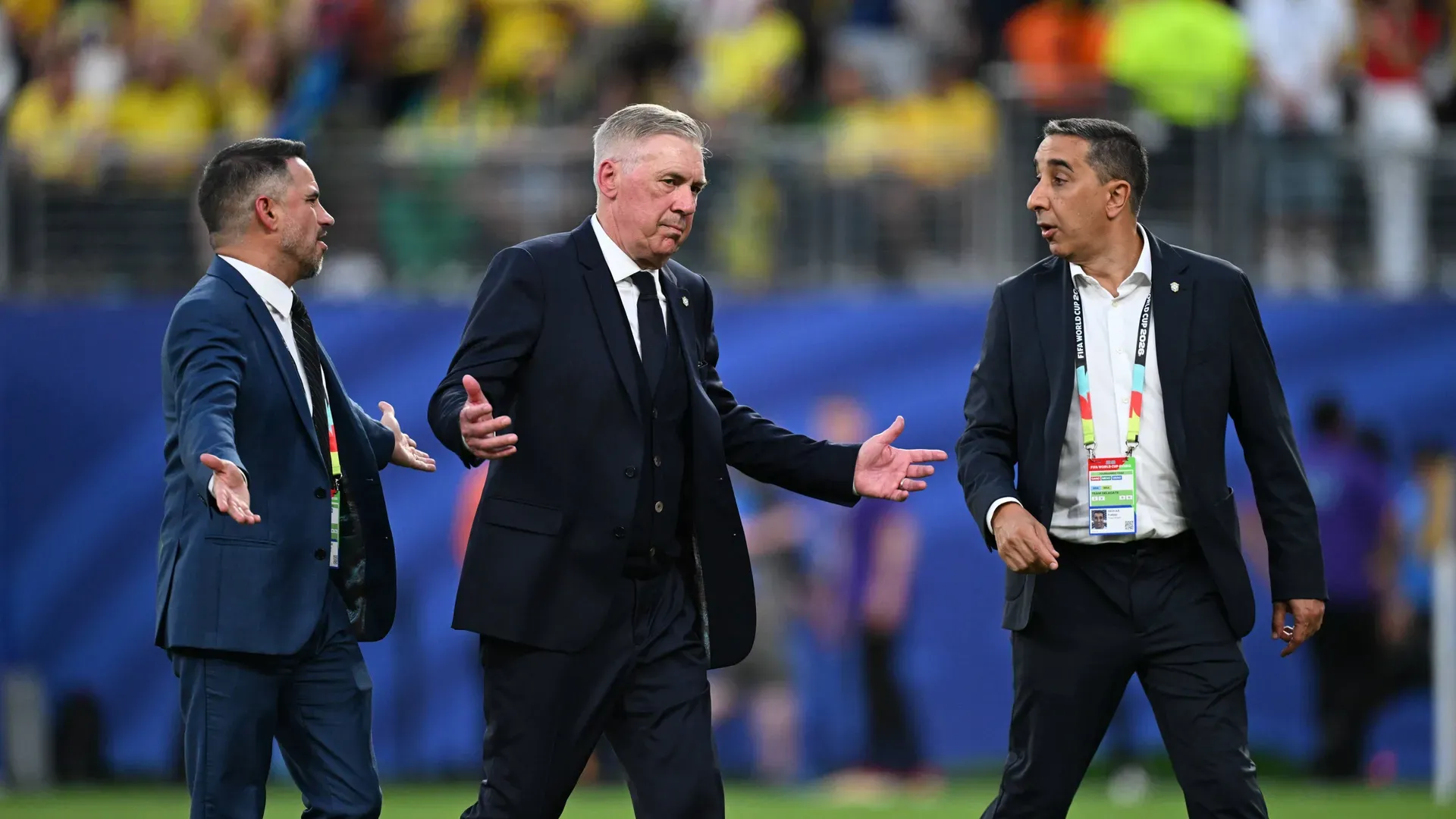
On June 13, 2026, a historic event unfolded at MetLife Stadium in New Jersey when the Moroccan national football team lined up with an unprecedented starting eleven composed entirely of players born outside the country during their match against Brazil. This remarkable occurrence lasted approximately 25 minutes and marked a significant milestone in World Cup history, as Morocco became the first team to showcase such a lineup. The news was highlighted by Brazilian media outlets, including Ge and MisterChip, and confirmed by the EFE news agency.
The players who took the field during this groundbreaking moment are a testament to the evolving nature of national representation in football. The situation was not a mere oversight or coincidence; rather, it reflects a profound transformation taking place within the world of international football. As the match progressed to the 65th minute, Moroccan coach made two substitutions, bringing in Chemsdine Talbi from Sambreville, Belgium, and Samir El Mourabet from Strasbourg, France, both of whom replaced Brahim Díaz and Azzedine Ounahi, the lone player born in Morocco from Casablanca who had started the game. These changes resulted in a Moroccan lineup entirely comprised of players born outside the nation's borders, a scenario that was maintained until nearly the 90th minute when forward Soufiane Rahimi, born in Casablanca, reintroduced a 'local' player to the pitch.
The Broader Context of Moroccan Football
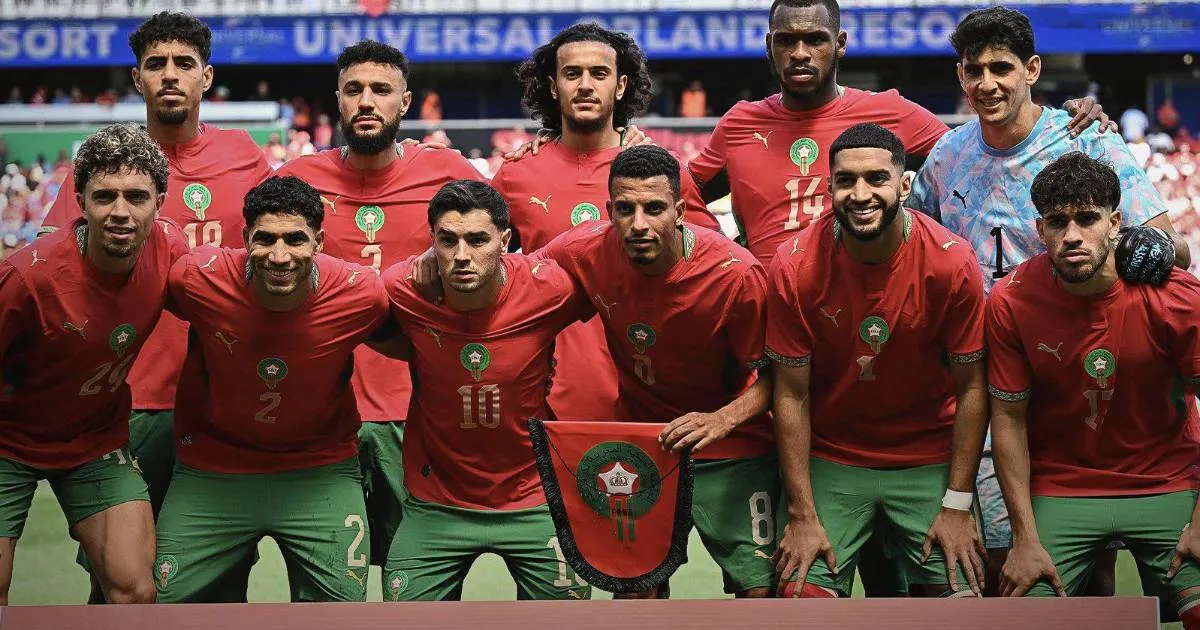
The team that Morocco fielded during those twenty-five minutes included Yassine Bono, the goalkeeper born in Montreal, Canada; Noussair Mazraoui from Leiderdorp, Netherlands; Chemsdine Talbi from Sambreville, Belgium; Bilal El Khannouss from Molenbeek, Belgium; and Samir El Mourabet from Strasbourg, France. All of these players have Moroccan ancestry, representing the Lions of the Atlas despite not being born in Morocco. Ismael Saibari, who scored Morocco's goal against Brazil, hails from Terrassa, the same Catalan town where the legendary Spanish footballer Xavi Hernández was born, adding another layer of intrigue and symbolism to this already remarkable day.
This phenomenon of Moroccan representation extends beyond the match against Brazil. The complete roster for Morocco at this World Cup includes 26 players, of whom 19 were born outside the African nation, primarily in France, Spain, Belgium, and the Netherlands, alongside Bono's unique case of being born in Canada. Astonishingly, only seven players on the team are originally from Morocco, highlighting that nearly three-quarters of the squad entered the world in different countries. Morocco's situation epitomizes a broader trend that is reshaping international football on a global scale.
During this World Cup, held across the United States, Mexico, and Canada, around 300 out of a total of 1,248 players are representing nations different from the ones where they were born, meaning that one in every four footballers in the tournament was born in a location different from their national team. Rômulo Vieira, the Director of Strategy and Planning at End To End, a sports marketing agency working with Brazilian clubs, noted, "One in five players in this World Cup will wear the jersey of a country in which they were not born. This statistic speaks less about football and more about the world: the World Cup is increasingly becoming a meeting of cultures, identities, and migration trajectories, rather than merely a high-performance competition."
The Moroccan model has structural explanations, as federations actively scouting for young talent with national ancestry abroad have established specific roles to track these players. Thiago Freitas, Director of Operations at Roc Nation Sports in Brazil, explained, "Today, the search for the diaspora is accepted and funded, without restrictions or prejudices. In African and Central American confederations, the most critical role is not that of the national coach, but of the person responsible for persuading young players." Other teams participating in the World Cup also significantly depend on players born outside their borders, with countries such as Curaçao, the Democratic Republic of the Congo, Bosnia, Algeria, Haiti, Cape Verde, Tunisia, Qatar, and Senegal featuring prominently in this trend.
As reported by elcolombiano.com.