The Evolving Landscape of African Football
The TotalEnergies CAF Under-17 Africa Cup of Nations held in Morocco in 2026 has transcended its role as merely a competition for a continental title; it has illuminated the trajectory of African football, showcasing the emergence of young talent, the rise of developing football nations, and the contributions of established football academies. This edition of the tournament has been notably competitive, serving as a vital platform to identify, assess, and nurture the next generation of football stars across the continent. From the outset, Morocco 2026 has emphasized the significance of age-group football, highlighting how it can cultivate technical skills, tactical intelligence, and individual talent in players who are still in the formative stages of their careers.
One of the most compelling narratives from the tournament is the impressive journey of Tanzania. The Serengeti Boys captured the attention of the football world by reaching the finals for the first time, defying pre-tournament predictions and marking a historic achievement for East African football. Their success in Morocco was characterized by organized play, disciplined execution, and a courageous spirit, allowing them to overcome traditional powerhouses like Algeria and Egypt in the knockout stages through penalty shootouts. This remarkable run underscored the importance of belief and rigorous preparation at the youth level, demonstrating that talent in Africa is abundant and not confined to a select few regions.
Showcasing Regional Strengths and Development
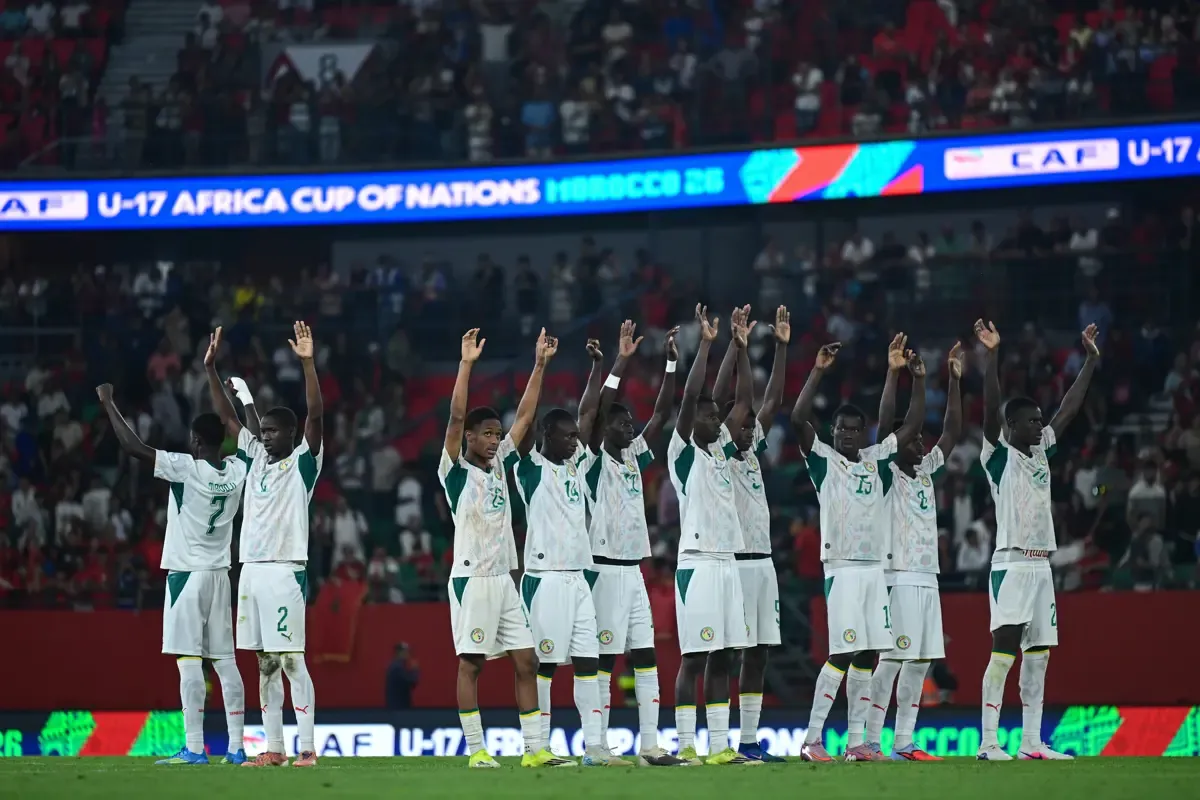
The tournament also highlighted the robustness of North African football. Algeria made it to the quarter-finals, showcasing tactical discipline and a competitive ethos, while Egypt's journey to the semi-finals illustrated their depth and ability to blend strategic structure with quick transitions. Despite falling short against Tanzania, the Young Pharaohs' performance reaffirmed Egypt's status as a formidable force in youth football. Meanwhile, the host nation, Morocco, lived up to expectations as defending champions, displaying technical prowess and resilience throughout their campaign. Their eventual exit in the semi-finals to Senegal via penalties was disappointing; however, it did not overshadow the significant strides they have made in grassroots football development.
Senegal's consistent production of talented youth players was once again on display as they reached the finals, combining physicality with tactical acumen to navigate the challenges of the tournament. Similarly, Cameroon showcased their historical strength and competitive identity, further reinforcing their standing as one of Africa's respected football nations. The diversity in playing styles throughout the tournament—from possession-based tactics to powerful, direct play—enriched the competition and served as a valuable learning experience for emerging players.
For the Confederation of African Football (CAF), the TotalEnergies CAF U-17 Africa Cup of Nations is a cornerstone of development on the continent. It provides a significant stage for young talents, offers competitive experiences for national teams, and allows scouts and coaches to evaluate the potential of future players. The events of Morocco 2026 have unequivocally demonstrated that age-group tournaments are more than just fixtures on a calendar; they are integral to the broader developmental landscape of African football.
The outcomes of this tournament emphasize that success in youth football is no longer solely determined by historical reputation. While traditional football nations maintain their strength, emerging teams are increasingly showcasing their organizational skills, ambition, and technical preparedness. As a result, the competition has become less predictable and more valuable, signaling a shift in the dynamics of African football. The growing investment in youth development across various countries is beginning to bear fruit, presenting a promising future for the next generation of footballers who may soon represent their countries on the world stage.
As reported by cafonline.com.