Significant Rise in Poultry Consumption in Morocco
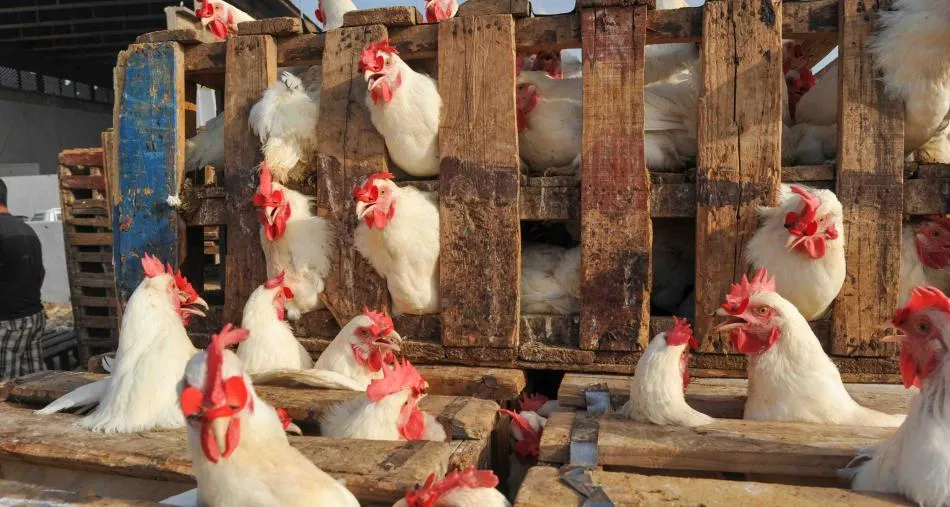
In 2025, the average poultry consumption in Morocco reached an impressive 23.6 kilograms per person, marking a notable increase from the previous year's 20.9 kilograms. This rise not only indicates a renewed appetite for poultry among the Moroccan populace but also represents the highest per capita consumption recorded in recent years, surpassing pre-pandemic levels. Data from the Interprofessional Federation of the Poultry Sector (FISA) highlights that the poultry sector has adeptly matched the growing demand, with chicken production soaring to 654 million tons and turkey production reaching 174 million tons by the end of December 2025.
The hatcheries played a significant role in this growth, producing an astonishing 542 million broiler chicks and 16.6 million turkey chicks within the same timeframe. As Africa’s third-largest poultry producer, Morocco stands behind Egypt and South Africa, with these three nations collectively accounting for approximately 64% of the continent's total poultry meat output. Poultry now constitutes around 55% of all meat consumed in Morocco, solidifying its position as the primary source of protein for households across various income levels.
Challenges and Future Outlook for the Poultry Sector
Alongside the increase in poultry consumption, egg consumption has also seen a significant rise, with Moroccans consuming an average of 191 eggs per person in 2025 compared to 171 in 2024 and 138 in 2010. National egg production reached 7.06 billion, a substantial increase from 6.10 billion in 2019 and 3.7 billion in 2010. However, despite these positive trends, per capita egg consumption has yet to surpass the record set in 2019, the last full year before the pandemic impacted the sector.
Despite the overall growth in poultry production and consumption, the industry faces persistent challenges, particularly concerning rising costs. Feed inputs, which primarily include corn, soybean, and other grains, constitute between 60% to 70% of the production costs. Unfortunately, Morocco relies heavily on imports for these commodities. Furthermore, prolonged drought conditions have negatively impacted domestic cereal yields, exposing poultry producers to fluctuations in global prices and currency risks. Retail poultry prices have seen a significant increase, surpassing MAD 25 ($2.50) per kilogram in several cities, leading to public frustration and drawing scrutiny from parliamentary officials.
On a financial scale, cumulative investments in the poultry sector reached MAD 15.3 billion ($1.53 billion), generating a turnover of MAD 48 billion ($4.8 billion) and providing approximately 181,000 direct jobs. When accounting for indirect employment, the sector supports an estimated 500,000 positions across its value chain. Morocco boasts an extensive poultry infrastructure, with 49 compound feed factories, 50 hatcheries for egg-type chicks, and a substantial number of broiler and turkey farms.
As Morocco continues to navigate the complexities of its agricultural landscape, lifestyle changes have further driven the demand for poultry. The rising prices of red meat, coupled with a growing fitness culture among younger Moroccans, have shifted consumer preferences towards more affordable sources of protein, such as chicken and eggs. The Moroccan government’s Generation Green agricultural strategy aims to bolster public investment in areas like cold-chain logistics and slaughterhouse modernization, although the transition from informal to industrial slaughter processes remains gradual.
In April 2025, Casablanca hosted the Annual International Poultry Council meeting, organized alongside FISA, which highlighted the sector's domestic and international outlook, emphasizing Morocco's significant role in the global poultry market. This data coincides with the 18th edition of the International Agricultural Exhibition of Morocco (SIAM), showcasing the importance of animal production within the agricultural sector. As Morocco emerges from a challenging period marked by drought, the outlook for the poultry sector appears promising, with projections for the 2025-2026 cereal harvest indicating a substantial increase.
As reported by moroccoworldnews.com.