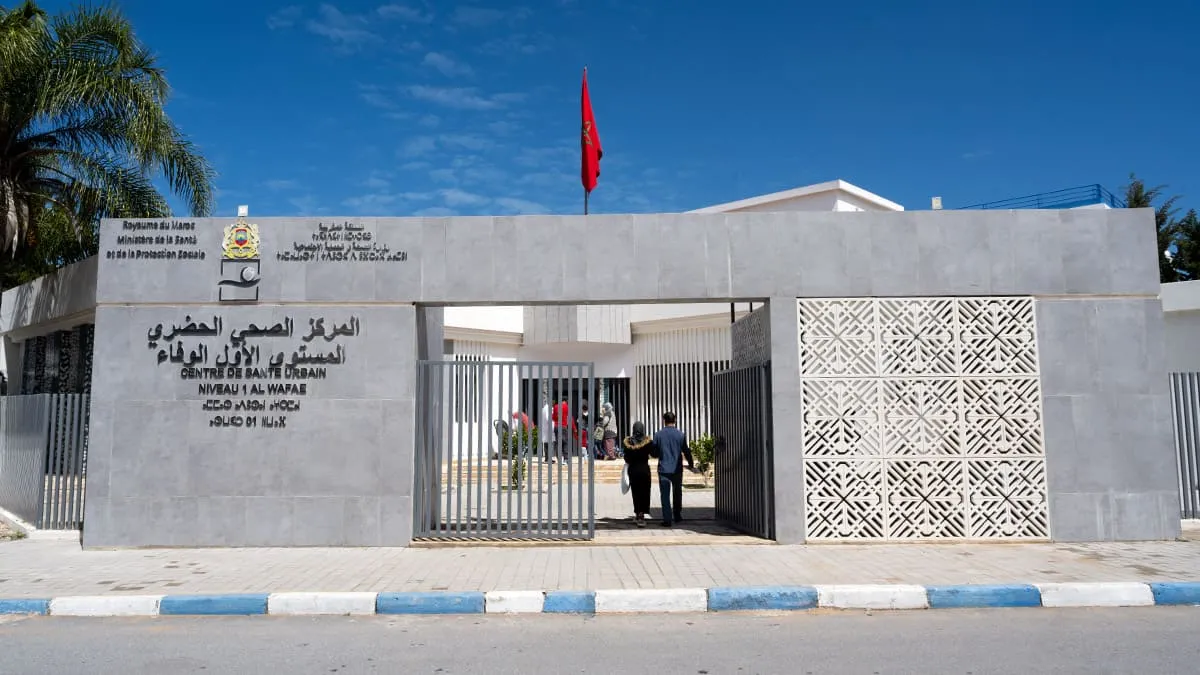
Significant Advancements in Moroccan Healthcare Infrastructure
The Moroccan government has successfully concluded a comprehensive refurbishment program targeting primary healthcare facilities, which involved the reconstruction, modernization, and equipping of a remarkable 1,400 health centers spanning the various provinces. This announcement was made by Aziz Akhannouch, the Head of Government, during a press conference that coincided with the inauguration of services at the local hospital in Aït Ourir and a second-level rural health center in Tazart, both located within the Marrakech-Safi region. Akhannouch indicated that this initiative is merely the first phase, with plans to include an additional 1,600 centers in the forthcoming stage of the government’s health center refurbishment program in Morocco.
Future Plans for Healthcare Expansion and Improvement
Looking ahead, the government has set ambitious goals for the refurbishment of 500 health centers through 2026, aiming to extend the total number of renovated facilities to an impressive 3,000 nationwide. This extensive initiative is designed to address the healthcare demands of the populace across all twelve regions of Morocco, thereby significantly enhancing the quality of healthcare services provided, particularly in rural and underserved areas. Akhannouch underscored that this refurbishment program is a pivotal first step in bolstering local healthcare quality and ensuring equitable access to health services for all citizens.
The overarching objective of this health infrastructure improvement is to not only enhance access to essential healthcare services but also to maximize the quality of care provided and guarantee continuity in treatment, especially in remote areas. Furthermore, the initiative aims to support the management of chronic diseases, maternal and child health, and school health initiatives. As the program progresses into its next phase, key focuses will include the maintenance of accredited centers, the implementation of electronic health records, the continuous training of healthcare professionals, and the expansion of telemedicine services.
This modernization effort is a vital component of the broader structural reform of Morocco's national health system, which seeks to invest in the public sector in order to ensure territorial equity and facilitate the digitization of healthcare services. These strategic investments are intended to alleviate pressure on hospitals, streamline patient flows, and bring essential healthcare services closer to the communities they serve. According to government statistics, the refurbishment initiative has revitalized 1,400 healthcare facilities across Morocco's twelve regions, with a total investment exceeding 6.43 billion dirhams, effectively benefiting over 20 million citizens in both urban and rural settings.
The comprehensive refurbishment program has resulted in a well-distributed network of healthcare facilities nationwide, with notable concentrations in various regions, including 229 centers in Fez-Meknes, 139 in Marrakech-Safi, and 111 in Casablanca-Settat, among others. The government’s initiative has established unified standards for the equipping and refurbishment of health centers, carefully considering regional and cultural specificities to promote equitable access to high-quality healthcare services. By strengthening the role of these institutions in the treatment process and enhancing the working conditions for healthcare professionals, the government also lays down future plans for constructing new facilities in areas experiencing healthcare shortages.
Primary healthcare serves as the foundation for these reforms, emphasizing the program's crucial role in reducing pressure on hospitals and ensuring equitable access to healthcare services, thus addressing disparities across Morocco’s diverse regions. This initiative is not only a response to current challenges but also aligns with the strategic vision outlined in Framework Law 06-22, which advocates for territorial justice and universal health coverage. The program represents a significant strategic effort to rebuild public trust in the healthcare system, aiming to alleviate inequalities in healthcare access and ensure that local services are available to the most vulnerable populations. The reform of the health sector is framed as a long-term strategic choice, focusing on continuous training for healthcare staff and the comprehensive evaluation of the reforms' impact, while also enhancing telemedicine services to ensure the sustainability of these improvements and elevate the overall quality of healthcare throughout the nation.
As reported by atalayar.com.