Moroccan Blueberry Harvest Struggles to Meet Expectations
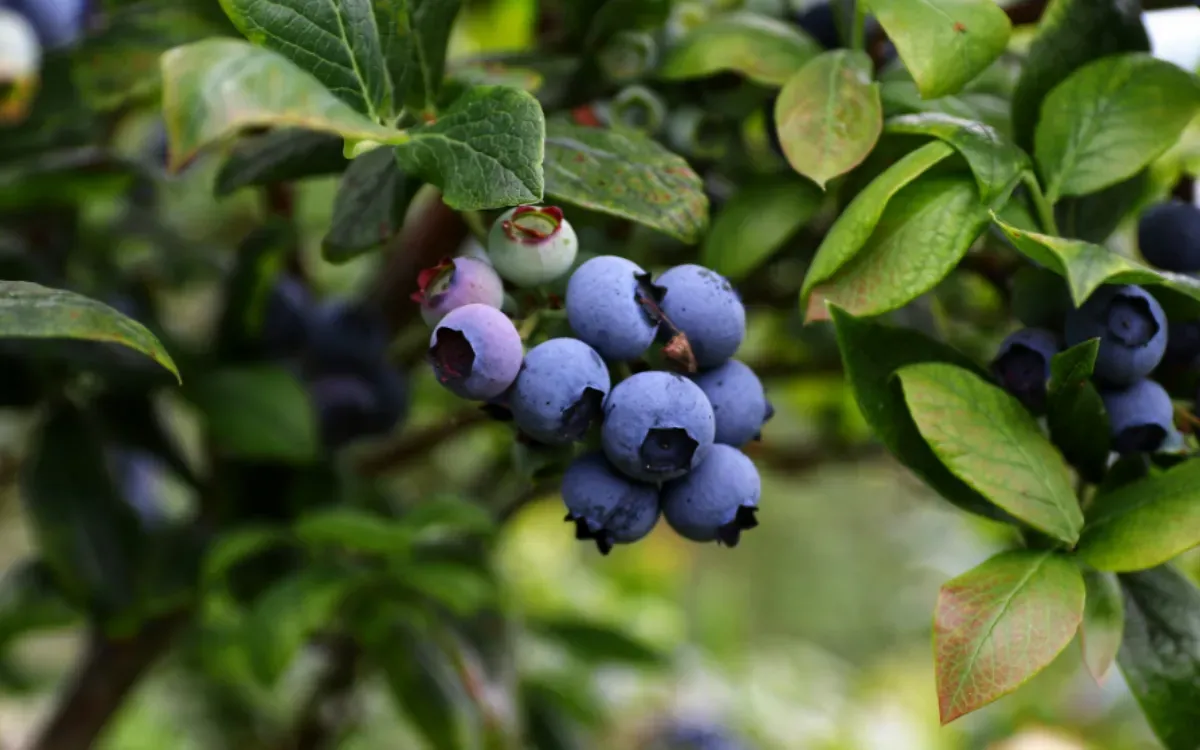
The highly anticipated peak of the blueberry harvest season in Morocco is proving to be less fruitful than expected. Originally forecasted for April, the production has been significantly hindered by unpredictable weather patterns and intensified competition from Spanish growers. Consequently, the industry is grappling with a dramatic decline in both volume and pricing, which has raised concerns among producers.
Recent severe weather conditions, particularly heavy rains in the Larache region, have stymied the growth and development of blueberry crops. A local industry expert, as cited by the specialized media outlet FreshPlaza, expressed dismay at the current situation, stating, “We are far from the projected volume anticipated by the industry, which was around 100,000 tons.” There is palpable anxiety within the sector, as they fear failing to match last season's record of 60,000 tons, which was a significant achievement in the industry’s history.
Market Dynamics and Price Pressures
On the commercial front, complexities abound despite a consistently strong demand from European markets. The influx of Spanish harvests has abruptly lowered prices, placing additional pressure on Moroccan exporters. Earlier in the season, blueberries were trading at approximately 11 euros per kilogram in January, then dropping to 9 euros just two weeks ago, and now they are being sold for a mere 7.5 euros per kilogram. This drastic price reduction highlights the challenges faced by Moroccan exporters, who are struggling to maintain profitability in the face of overwhelming competition.
This struggle is not new for the Moroccan blueberry sector. Just a month ago, the industry faced similar challenges in the Russian market, this time due to competition from China. Recognizing that neither the weather conditions nor the competitive landscape from Spain are likely to improve before the end of the season, producers remain determined to uphold their ambitions for this crucial product. Looking ahead, some growers plan to relocate a portion of their Larache crops to Agadir in an effort to stabilize their yields for the next season.
As reported by bladi.net.